Unexpected Legal Swells: The DOJ’s Investigation in Minnesota
In a sudden and striking development, Attorney General Pam Bondi’s unannounced visit to Minnesota sent ripples through the state’s political landscape. Standing resolute, she addressed top officials, emphasizing the pivotal message that “no one is above the law,” and underscoring the Justice Department’s escalation of its investigation into local officials’ interactions with immigration enforcement.
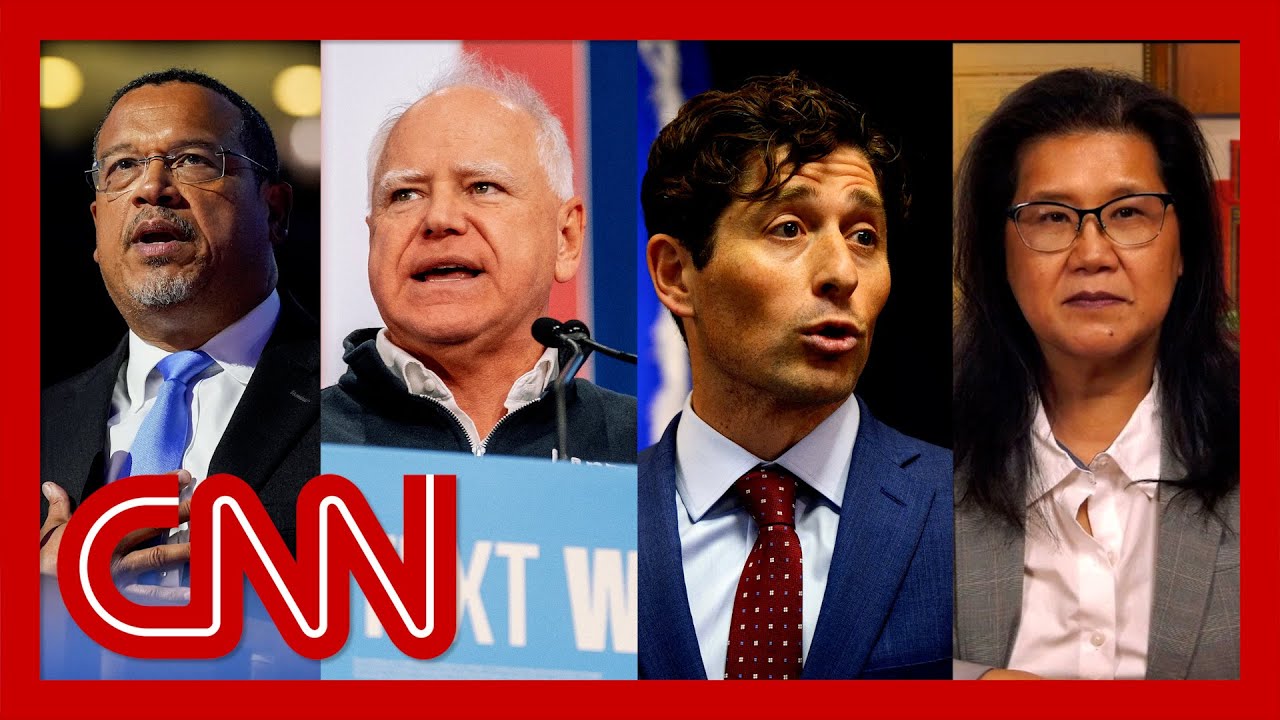
On the very day Bondi arrived, news broke that subpoenas were issued to prominent figures across Minnesota, including Democratic Governor Tim Walz, Attorney General Keith Ellison, Minneapolis Mayor Jacob Frey, and St. Paul Mayor Kaler. This probe seeks to ascertain whether these officials obstructed the efforts of Immigration and Customs Enforcement (ICE) within their jurisdictions, a touchstone issue in a state experiencing evolving immigration dynamics and community tensions.
Governor Walz’s immediate response was defiant. "Minnesota will not be intimidated into silence, and neither will I," he stated, fortifying an administration that has been candid in its criticism of federal immigration policies. These developments have thrust Minnesota into the national spotlight, revealing the tension between state leadership and federal immigration enforcement.
Mayor Kaler echoed the governor’s sentiment, indicating that the subpoenas feel like political retribution aligned with the current administration’s threats. "We remain committed to our residents," he stated, emphasizing their ongoing engagement with community protection. The backdrop of this discussion is layered with an incident where protestors disrupted a church service, raising the question of whether they infringed upon protected rights while protesting the actions of an ICE official who also serves as a pastor. The implication is stark—the line between lawful protest and illegal activity is often drawn in the heat of political discourse.
The involvement of federal authorities in local matters, particularly through aggressive tactics alleged by community leaders, raises significant ethical concerns. Kaler noted that previous incidents have seen ICE inflating claims against individuals they detain, in stark contrast to narratives presented at the federal level. He asserted his belief in the residents’ accounts over federal statements, emphasizing that the relationship between local communities and federal enforcement is strained at a fundamental level.
These heightened tensions coincide with President Trump’s recent assertions about the supposed criminal activity among immigrants in Minnesota. By highlighting the alleged actions of immigrants, Trump aims to legitimize ICE’s aggressive strategies. Such rhetoric, however, fails to acknowledge the complexity of the lived experiences in immigrant communities, which are often characterized by fear and uncertainty. Kaler’s remarks about residents fearing ICE actions speak volumes about the current atmosphere in Minnesota—one filled with anxiety over potential confrontations and repercussions of federal roundups.
Compounding these issues is the broader conversation around accountability. As Kaler pointed out, “if the government wants us to obey the rule of law, they must also adhere to it,” suggesting that the double standards displayed by federal authorities contribute to a culture of fear. This sentiment resonates with numerous community leaders and local advocates who contend that the actions of ICE often disregard the humanity and dignity of those they target.
Furthermore, the role of law enforcement in this dynamic has come under scrutiny. Many community members have shared troubling accounts of aggressive ICE actions, including hostile encounters with ordinary citizens, including off-duty officers. This creates a troubling narrative where even those sworn to protect their communities are not safe from federal scrutiny. The governance of immigration enforcement appears increasingly disconnected from ethical law enforcement principles, raising profound questions about the legitimacy of current practices.
In summary, the unfolding situation in Minnesota encapsulates a larger national conversation about immigration, accountability, and civil liberties. The unexpected involvement of the DOJ in local political affairs not only underscores the gravity of the situation but also serves to galvanize community leaders and residents who refuse to be intimidated. As the legal and political ramifications continue to evolve, the spotlight remains firmly on Minnesota, where the struggle for justice and accountability is far from over.