The Northern Lights: A Celestial Dance Captured from Space
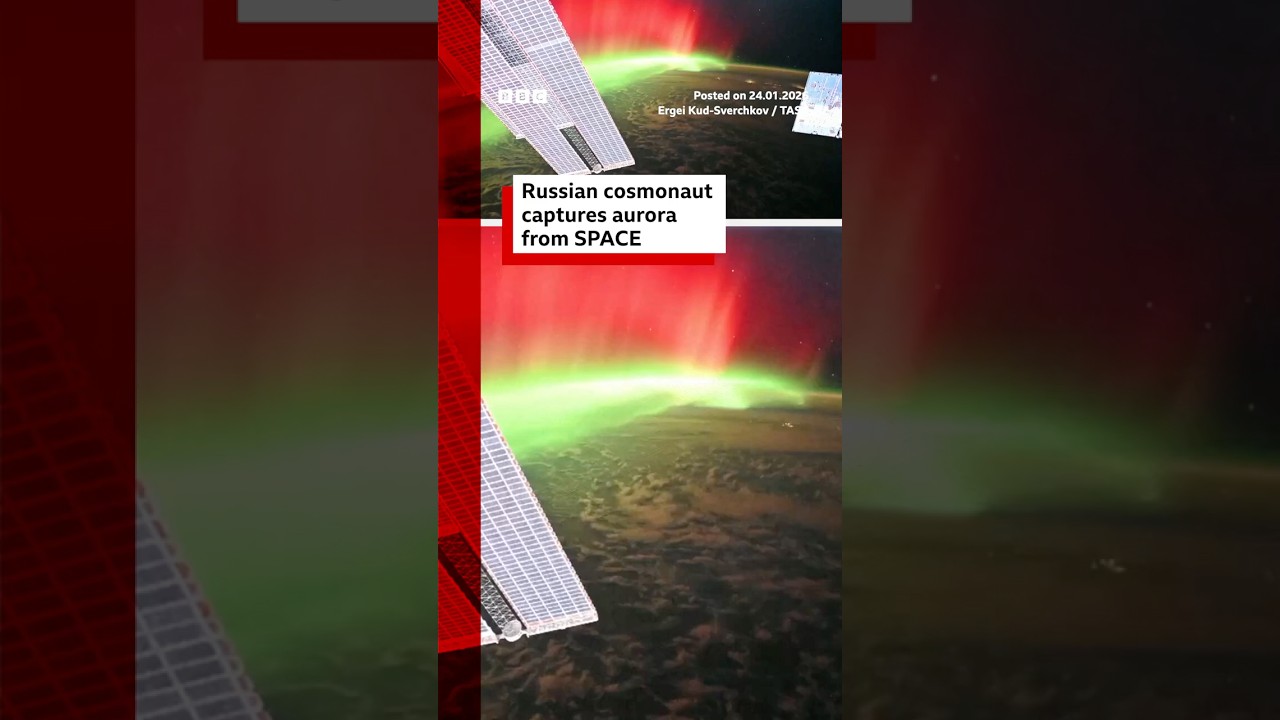
In the theater of our planet’s skies, the northern lights stand out as one of nature’s most breathtaking spectacles. But have you ever considered what this mesmerizing phenomenon looks like from the vantage point of space? Recently, a Russian cosmonaut aboard the International Space Station filmed a stunning depiction of the auroras, capturing their ethereal beauty during an extraordinary solar event.
The footage taken from above Earth provided a unique perspective. It showcased the vibrant colors swaying across the dark canvas of space, a stunning reminder of the dynamic interplay between our planet and the cosmos. This particular display occurred during one of the most powerful solar storms in over two decades—a rare phenomenon that amplified the auroras’ brilliance.
Solar storms are essentially bursts of energy emanating from the sun, releasing high-speed charged particles into space. When these energetic particles collide with Earth’s atmosphere, they ignite a colorful spectacle, commonly known as aurora borealis in the Northern Hemisphere and aurora australis in the Southern Hemisphere. These interactions between solar particles and atmospheric gases create vibrant blues, greens, reds, and purples, painting the sky in ways that seem almost otherworldly.
The recent solar storm was significant, as confirmed by reports from the National Weather Service’s Space Weather Prediction Center. This event bore similarities to another notable solar radiation storm that occurred in October 2003, demonstrating the cyclical nature of solar activity. Such storms can have far-reaching effects, not just for auroras but also on satellite communications, GPS signals, and power grids on Earth.
As the Earth rotates beneath the swirling lights, the dance becomes even more enchanting. The mesmerizing displays ripple and shift, as if they are alive, adapting to the magnetic forces at play. Many viewers have spoken of a profound sense of connection to the universe when witnessing the auroras, whether on the ground or from above. Experiencing this light show can evoke feelings of awe, wonder, and even humility as one contemplates the larger cosmic forces at work.
The science behind auroras is equally fascinating. Charged particles from the sun travel millions of miles before colliding with Earth’s magnetic field, which acts as a protective shield. During strong solar storms, this magnetic field becomes disturbed, allowing more of these particles to penetrate closer to the poles. As they interact with gases in the atmosphere—primarily oxygen and nitrogen—they produce the stunning colors associated with the auroras.
The International Space Station serves as a unique observational platform for such phenomena. Orbiting approximately 400 kilometers above the Earth, it offers a clear, unobstructed view of the auroras and other celestial events. This vantage point allows astronauts to capture breathtaking images and videos, providing insights that enhance our understanding of these awe-inspiring displays.
The implications of studying these solar storms and their effects on auroras extend far beyond aesthetic appreciation. Understanding the mechanisms at play offers critical knowledge for predicting space weather events, which in turn helps protect technology on Earth. As our reliance on satellite systems and electronic devices increases, so does the importance of anticipating and mitigating the impacts of solar activity.
In conclusion, witnessing the northern lights from space is not merely an act of observation; it is an intersection of art and science. As we continue to explore and understand our universe, this celestial display serves as a compelling reminder of the beauty and complexity of the natural world. Each solar storm reaffirms our connection to the cosmos, inviting us to contemplate our place within it and the dynamic forces that shape our planet. Whether viewed from the ground or from the International Space Station, the northern lights remain a symbol of wonder in an ever-expanding universe.