The Convergence of Geopolitics and Social Media: A New Landscape of Trust
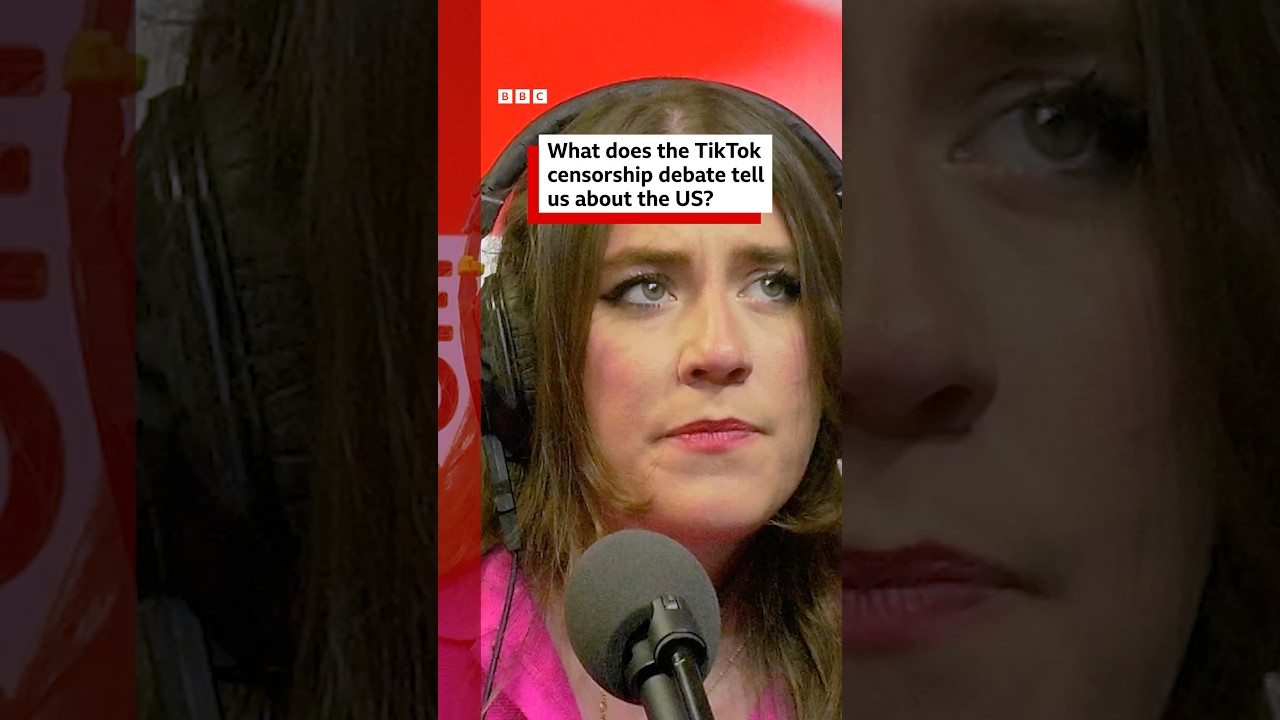
In an era where the lines between geopolitics, social media, and public trust are increasingly blurred, the dynamics of power have evolved into something unprecedented. Social media companies like X (formerly Twitter) and Meta, the parent company of Facebook and Instagram, have become not just platforms for communication but also political players influencing global narratives. This intricate tapestry is woven with threads of distrust—distrust in politicians, distrust in the companies themselves, and a burgeoning skepticism about the information we consume.
The rise of social media has redefined how we interact with news and, by extension, how we perceive reality. The accessibility and immediacy of these platforms enable a rapid spread of information. Often, this information is a mix of legitimate concerns and unfounded conspiracy theories. In a climate where people are searching for clues—often turning to social media for guidance—this blend creates confusion. The question arises: How do we determine credibility in a sea of competing narratives?
Conspiracy theories flourish in such environments, gaining traction among users who feel disenchanted with traditional sources of information. Events that may seem random can often appear interconnected within this context. The aggregation of seemingly unrelated incidents can lead to the formation of elaborate theories, giving voice to legitimate grievances while simultaneously muddying the waters of truth. This is not merely an academic concern; it translates into the erosion of public trust in established institutions.
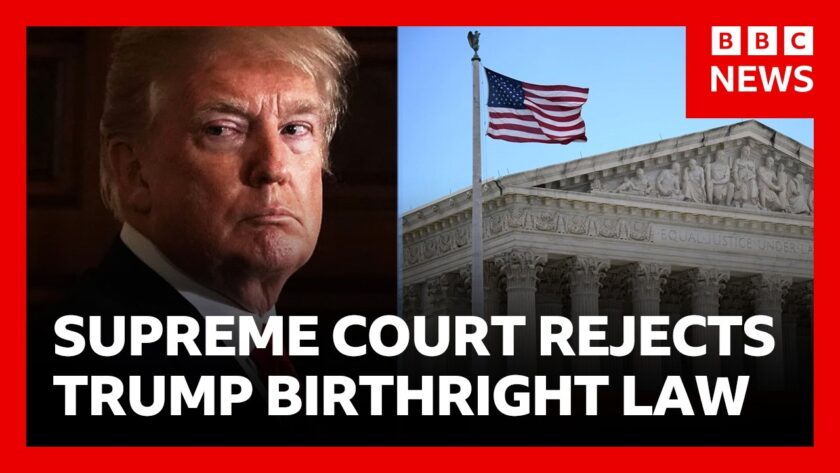
In the United States, the interplay between social media platforms and political attitudes cannot be overstated. The influence of former President Donald Trump on social media’s regulatory landscape reveals how interconnected these realms have become. His approach toward content moderation on platforms like X and Meta raises questions about the degree of autonomy these companies possess. While they may assert independence in their decision-making, external political pressures can shape their policies in significant ways.
This influence is not confined to the U.S.; the ripple effects of these decisions resonate globally. Regulatory trends set in one country can lead to policy shifts that impact users worldwide. When social media platforms take a stance on content moderation, they are not merely enforcing guidelines; they are making choices that can affect public discourse on a global scale. The implications stretch far beyond borders, affecting how information is disseminated and consumed.
The opacity surrounding these companies’ decision-making processes contributes to the growing sense of distrust among users. When policies lack transparency, individuals are left to speculate about the motivations behind content moderation—are these decisions influenced by political considerations or merely a reflection of community standards? This lack of clarity creates fertile ground for skepticism, inciting users to either defend or oppose these platforms based on their perceptions of fairness and balance.
Social media platforms are politically charged entities, wielding influence akin to that of traditional political weapons. However, this influence does not necessarily manifest in overt control or manipulation of content. Rather, it lies in the power of algorithms, which curate what users see and what voices are amplified or suppressed. These decisions, often cloaked in algorithmic opacity, can shape public opinion and sway political landscapes, underscoring the profound responsibility these companies hold.
In conclusion, the relationship between social media companies and politics is complex and multifaceted. It is marked not only by influence but also by a growing climate of distrust. As users navigate the labyrinth of information—seeking truth in polarizing times—they often grapple with conflicting narratives and an unclear sense of what constitutes reliable information. The challenge ahead lies not only in improving transparency within these platforms but also in fostering a more informed society capable of discerning fact from fiction. The stakes are high as we traverse this new landscape, where the interplay of geopolitics, social media, and public trust will continue to shape our understanding of the world.