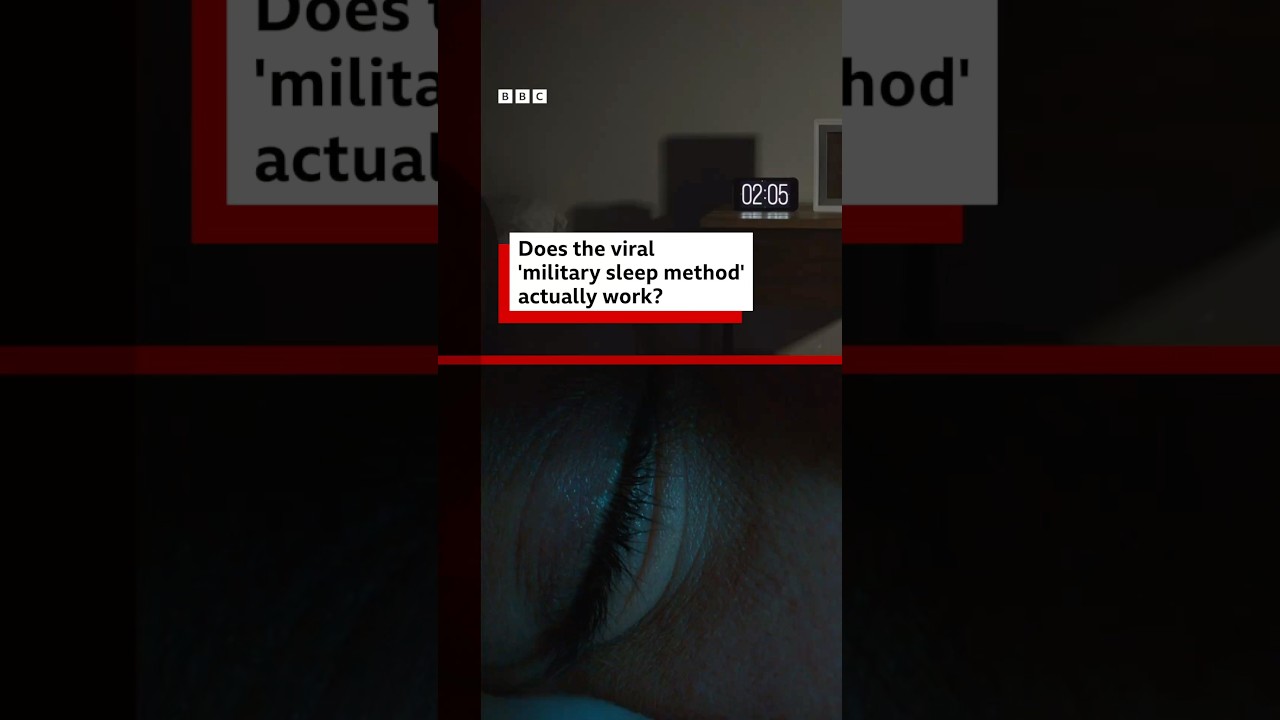
The Military Sleep Method: Myth or Helpful Tool?
In recent weeks, the so-called “military sleep method” has garnered significant attention online. Promising to help individuals fall asleep in just two minutes through a combination of breathing techniques, muscle relaxation, and mental imagery, this method was originally developed for World War II Navy pilot trainees. The idea was to enable them to achieve deep sleep under the most stressful and demanding conditions. However, sleep experts are raising concerns about the method’s efficacy and potentially harmful implications.
The allure of a quick fix is understandable—who wouldn’t want a foolproof way to drift off to sleep in the midst of a busy day or a restless night? Yet, some specialists argue that advocating for such a rapid onset of sleep can give rise to unrealistic expectations. According to one expert, “To say that you can fall asleep with this method and you should fall asleep within two minutes is a dangerous idea.” This raises a critical question: Is the military sleep method a useful tool, or could it do more harm than good?
The Reality of Rapid Sleep
Falling asleep within the span of two minutes invites scrutiny. Sleep scientists suggest that if you are consistently drifting off that quickly, it might signal you are either chronically sleep-deprived or dealing with an undiagnosed sleep disorder. Rather than a sign of good sleep hygiene, this could indicate more serious issues that warrant attention. The notion of achieving sleep in mere minutes can transform into a source of frustration for those who find themselves struggling to meet these unrealistic expectations.
This leads us to consider the broader implications of such a method. The pressure to fall asleep quickly can create performance anxiety. Instead of promoting relaxation, it cultivates stress and worry about falling asleep. In pursuit of swift slumber, individuals might neglect underlying conditions, ultimately exacerbating their sleep problems.
Learning from Military Practices
While the military sleep method may not be the golden ticket to restful nights, there are lessons to be learned from how the military trains its pilots. Discipline plays an integral role. Establishing a regular bedtime routine can significantly enhance sleep quality, allowing the body and mind to adapt to a set rhythm.
Experts suggest simple yet effective practices that civilians can adopt. Dimming the lights around the house at the same time each evening, avoiding screens, and engaging in calming activities like reading can create an environment conducive to sleep. Moreover, incorporating breathwork or progressive muscle relaxation techniques can signal to your body that it’s time to wind down. Consistent practice of these techniques will help reinforce a natural sleep cycle.
The Importance of a Holistic Approach
When it comes to sleep, there is no one-size-fits-all solution. True improvements in sleep health require a holistic approach. Factors such as diet, physical activity, and mental health are instrumental in influencing sleep quality. Similarly, understanding your body’s natural rhythms can guide you toward better sleep habits tailored to your individual needs.
Moreover, it’s essential to be mindful of sleep hygiene—activities and habits that promote a good night’s sleep. Establishing a sleep-conducive environment is key. This includes maintaining a comfortable room temperature, minimizing noise, and creating a sanctuary that fosters relaxation.
Conclusion
While the military sleep method is intriguing, aiming to fall asleep in just two minutes may be misguided. Instead of succumbing to unrealistic benchmarks, it is crucial to understand the nuances of sleep and recognize the importance of a disciplined, tailored approach to sleep hygiene. Adopting healthy sleep practices creates a sustainable path toward restorative sleep. Embracing patience in this journey ultimately yields more significant benefits than seeking quick fixes. By implementing consistent routines and fostering a calming pre-sleep environment, anyone can work towards achieving the restful slumber they deserve.