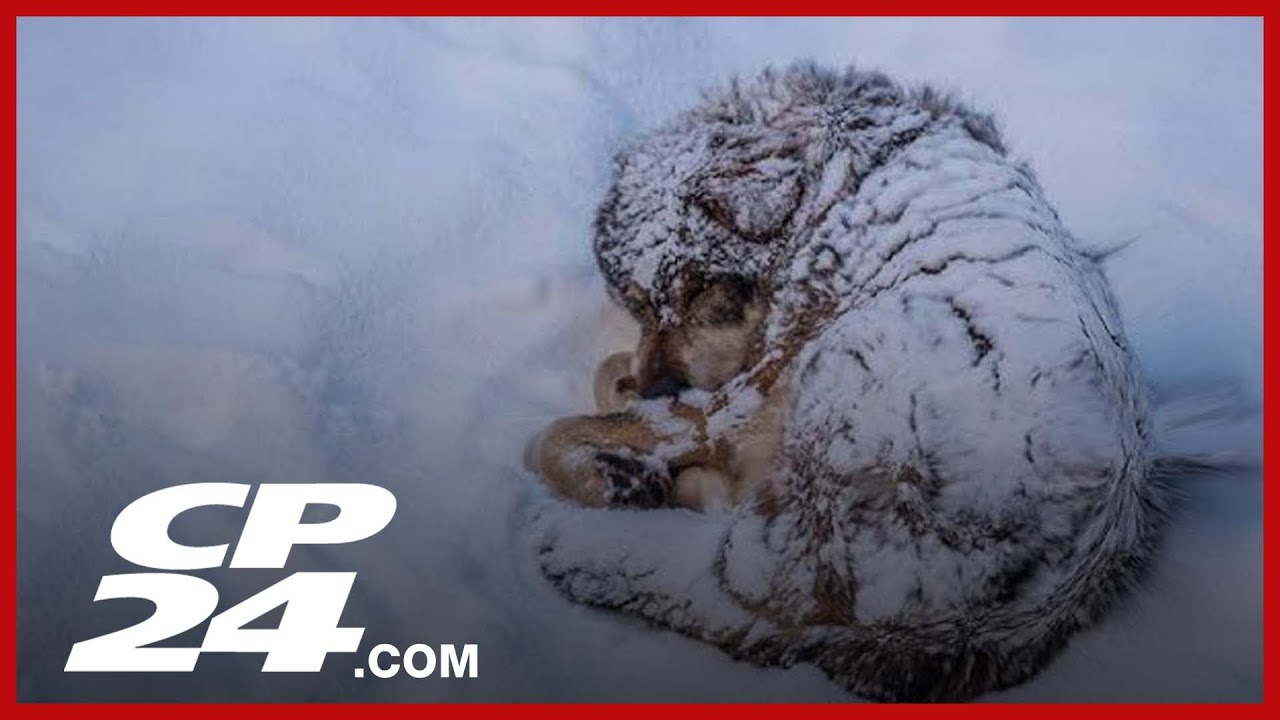
As winter grips Ontario with its biting cold, pet owners are faced with the responsibility of ensuring their furry companions remain safe and comfortable. The Ontario SPCA is stepping forward with a set of essential tips, while Dr. Linda Jacobson of the Toronto Humane Society emphasizes a common-sense approach to keeping dogs warm during these frigid months.
Understanding that dogs can be vulnerable to extreme temperatures is crucial. It’s vital for pet owners to limit outdoor excursions. The Ontario SPCA recommends taking dogs outside for only short intervals. This is particularly important in harsh conditions, where the threat of frostbite and hypothermia looms. While some breeds are more resilient to cold weather, others—especially smaller or short-haired dogs—may struggle significantly.
To enhance comfort and warmth, the Ontario SPCA suggests considering the addition of dog coats or sweaters. These can act as protective layers, providing insulation against the biting winds. The challenge, however, lies in finding a properly fitting garment. A coat that is too loose may not provide adequate warmth and could impede movement, while one that is too tight may restrict circulation. Therefore, a well-measured fit is essential.
Dr. Jacobson also underscores the protection of a dog’s paws. The cold ground can be harsh on tender pads, and they require safeguards against low temperatures. Protective dog boots are one option; however, not all dogs will readily accept them. Owners should consider acclimatizing their pets to wearing these boots indoors before venturing outside, allowing pets to adapt gradually.
Post-walk care is just as important. Dr. Jacobson recommends thoroughly wiping a dog’s paws after every outing to remove ice, snow, and any potential irritants like salt or chemical snow melters. These substances, while useful for keeping walkways safe for humans, can cause discomfort or even injury to dogs. Ensuring their paws are clean and free of debris can prevent painful rubbing or the buildup of ice between the toes.
Moreover, pet owners should be vigilant of their dogs’ behavior during cold spells. Signs such as shivering, whining, or reluctance to walk can indicate that a dog is too cold. In these cases, it’s better to cut walks short or reconsider the necessity of going outside entirely. Creating a warm environment at home can also help; ensure that dogs have access to cozy, insulated spots where they can retreat to regain warmth after outdoor exposure.
Winter might also pose risks beyond the immediate cold. As the frost settles in, outdoor environments can become unpredictable. Slippery sidewalks or hidden patches of ice can lead to injuries. Similarly, the reduced daylight can make walks more hazardous, so timing needs careful consideration. Opting for walks during daylight hours can mitigate some of these risks.
Finally, the cold months can be a time for reflection on our pets’ needs. Beyond physical comfort, keeping a dog’s mental well-being in mind is essential. Engaging them with indoor activities—such as puzzle toys or obedience training—can help channel their energy and foster stimulation when outdoor play is limited.
In conclusion, winter safety for dogs encompasses a blend of proactive measures and attentive care. By dressing pets appropriately, limiting exposure time, and ensuring post-walk cleanliness, pet owners can ensure their furry friends remain safe and happy even when temperatures plummet. As Dr. Jacobson aptly notes, it often comes down to common sense and a watchful eye, ensuring that our pets are protected from the harshness of winter while also enjoying the beauty it brings.