Is TikTok in the U.S. Censoring Criticism of Trump?
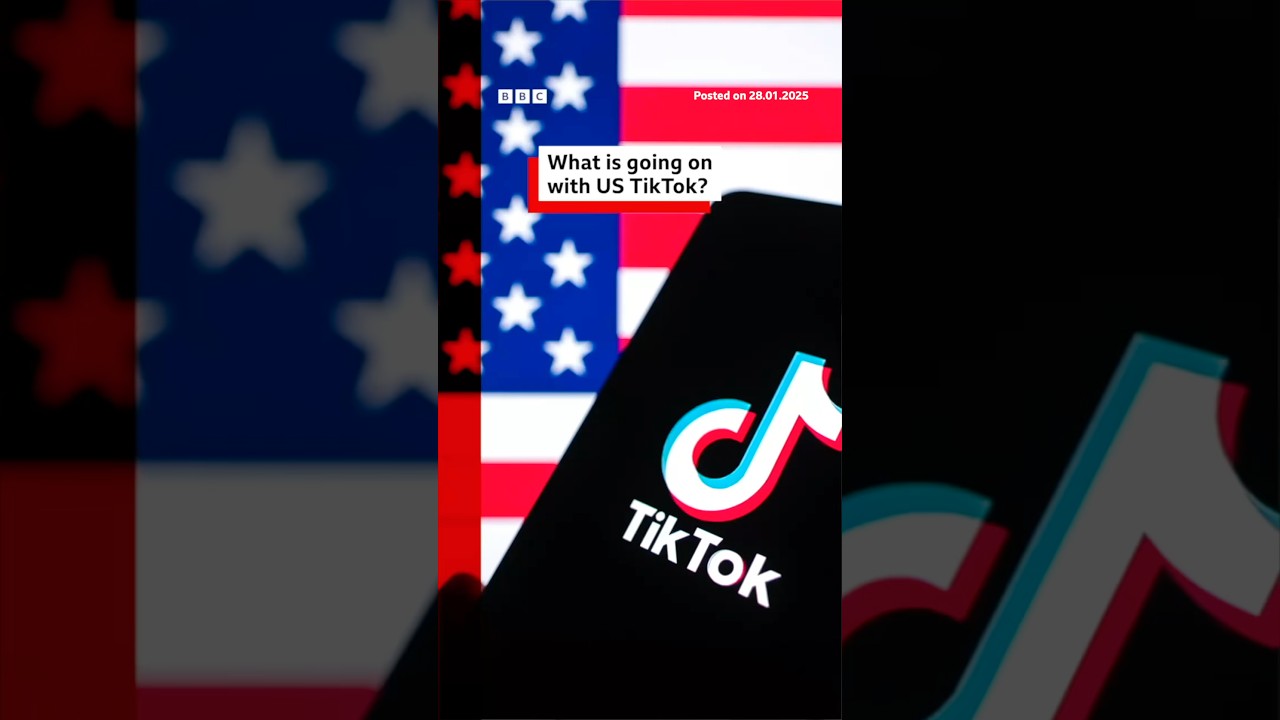
In recent days, discussions around TikTok’s practices in the United States have intensified, particularly in light of a deal to create a U.S.-specific version of the app. This agreement aims to assuage fears regarding data security and allows TikTok to operate under more stringent American regulations. However, just three days after the deal was finalized, a troubling wave of complaints surfaced from American users. Many reported significant issues, including posts garnering zero views and feeds being cluttered with outdated content.
TikTok has attributed these disruptions to what it describes as a "major infrastructure issue," specifically citing a power outage at one of its data centers. While infrastructure problems can certainly disrupt service, the timing of these issues has raised eyebrows and sparked accusations of censorship. Notably, California Governor Gavin Newsom has expressed concern over these claims, launching an investigation into reports that TikTok may be suppressing content critical of President Trump.
This allegation paints a concerning picture, especially given TikTok’s recent transition to a domestic joint venture. The platform’s rapid rise in popularity among various demographics has made it a crucial space for political discourse. However, several users have begun to worry that their ability to express dissenting opinions—particularly regarding contentious political topics—has been compromised. Reports have emerged detailing instances where users were unable to view or post political content, such as commentary on high-profile events like the shooting of Alex Prey by federal agents.
Compounding these fears are claims that certain words, such as "Epstein," have become undeliverable in direct messages, a direct challenge to the platform’s purported commitment to free expression. TikTok has since refuted these claims, emphasizing in a response to media inquiries that there are no specific rules against mentioning Epstein in messages. Nonetheless, user experiences paint a different picture, one that raises questions about the platform’s transparency and accountability.
In addition to concerns of censorship, recent updates to TikTok’s terms and conditions have left users wary about privacy. The new framework expands the type of location data TikTok is allowed to collect from users, further intensifying the scrutiny surrounding the app’s data practices. As a response to these perceived threats, some users have opted to migrate to alternative platforms like Upscrolled, seeking environments they believe to be more conducive to open discussion.
The issue is not merely technical; it reflects deeper anxieties about free speech in the digital age. As platforms like TikTok become more powerful, they possess the ability to shape political narratives, whether overtly or covertly. The allegations circulating are indicative of a broader societal worry: Are tech companies becoming arbiters of what constitutes acceptable discourse?
TikTok’s spokesperson for its U.S. operations has repeatedly reiterated that the challenges reported by users stem from technical issues rather than any intentional suppression of content. However, the coincidence of these problems with heightened scrutiny over political speech is hard to overlook.
What’s at stake extends beyond any individual user’s experience. The fate of online platforms as diverse public squares is in question, as the threshold for what can be shared becomes increasingly opaque. In a landscape where political divisions are stark and opinions are polarized, the expectation for platforms to facilitate honest debate becomes paramount.
As TikTok navigates the complexities of operating within the U.S. framework, it stands at a crossroads. The company must balance the demands of government oversight, user expectations, and its operational integrity. With investigations underway and user confidence wavering, the question remains: Is TikTok truly fostering a space for free expression, or is it crafting a sanitized environment that selectively amplifies certain voices while silencing others? The coming months will undoubtedly shed more light on these pressing matters.