The Modern Relevance of Burns Night: A Celebration on the Edge of Tradition
Burns Night, a cherished Scottish tradition, has been a staple of cultural life for over two centuries. Celebrating the life and work of the national poet Robert Burns, the evening typically showcases a hearty supper featuring haggis, recitations of his poetry, and even the occasional ceilidh to wrap up the festivities. Despite its rich history, a question looms large in contemporary discourse: Does Burns Night still resonate with the younger generation, or is it becoming a relic of the past?
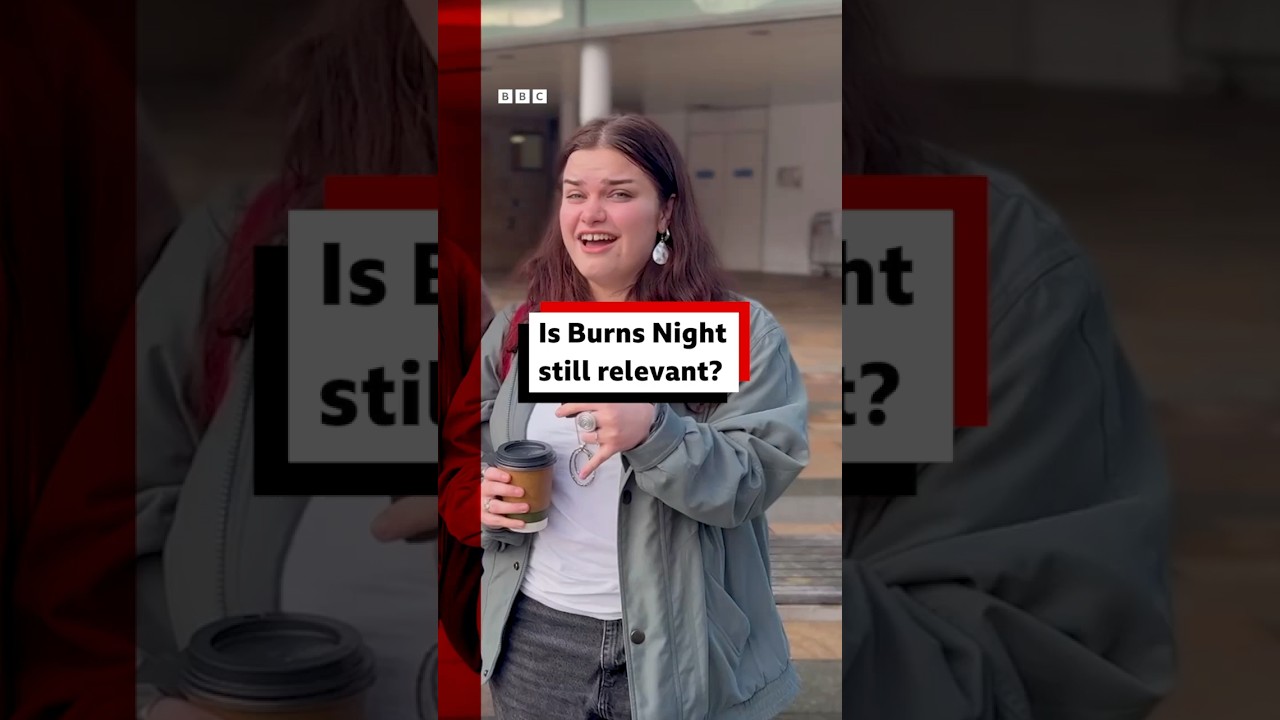
In recent years, the vibrancy of Burns Night seems to sway like the seasonal winds of the Scottish Highlands. Conversations reveal a mixed sentiment among young Scots. Some express a deep-rooted appreciation for the night, citing personal anecdotes that underscore the occasion’s familial and cultural significance. For instance, one participant recalled a memorable night spent with his father at a local Burns supper, "where there was poetry going on and everyone dressed as a haggis." Such events serve not only as a celebration of Robert Burns but also as a means of social connection, fostering camaraderie among friends and families.
On the other hand, many young people seem to exhibit a disconnect from the tradition. Comments such as “I probably won’t be doing anything” and “As you get older, it feels like it’s not really much of a tradition” resonate with a sense of apathy. The younger generation often seeks authenticity in their cultural practices, and perhaps Burns Night has struggled to maintain relevancy alongside modern lifestyles. Outdoor activities, like hiking in the Highlands, are often preferred over formal celebrations, as one individual suggested they might choose “a hill walk or something” instead of participating in Burns Night activities.
This ambivalence raises questions about how traditions evolve—or, in some cases, fade. Young Scots seem divided between nostalgia and practicality. They appreciate the roots of their culture, yet grapple with the perceived stiffness of some traditions. Comments indicating a reluctance to fully participate illustrate how Burns Night is becoming a secondary consideration in their lives. Still, the mere acknowledgment of the day suggests an undercurrent of pride in their heritage, regardless of how it is celebrated.
Though Burns Night may not be as fervently observed by the youth, the desire to honor cultural legacies remains intact. One sentiment resonated strongly: “It’s a tradition, and everything’s dying out, so we may as well keep it going.” This acknowledgment suggests that there’s an awareness of the cultural richness that Burns represents, alongside a recognition of the urgent need to adapt traditions to fit contemporary lifestyles.
Engaging young people in discussions about the relevance of Burns Night may pave the way for revitalization. In today’s fast-paced world, can the emotional and communal bonds forged through shared meals and poetry recitals find new platforms? Perhaps a fusion of modernity and tradition can spark interest. Creative adaptations—like hosting Burns Night under the stars, incorporating multimedia poetry slams, or even cocktail parties featuring haggis-inspired dishes—might attract a younger audience.
Ultimately, while fewer young Scots may fully immerse themselves in the ceremonial aspects of Burns Night, the connection to their Scottish identity remains vital. Many still feel an allegiance to Robert Burns, acknowledging him as an integral part of their cultural heritage. Even a passing appreciation reflects a desire to stay connected to their roots, regardless of participation level.
As the conversation surrounding Burns Night continues, one thing remains clear: the legacy of Robert Burns endures. Whether through traditional gatherings, casual recognition, or acts of creative reinterpretation, the spirit of Burns Night will likely find its place, even in the modern landscape of Scottish life. After all, tradition is not a static relic but a living, breathing entity that evolves with its people. The challenge lies in maintaining this delicate balance, ensuring that the essence of Robert Burns—and the culture he represents—thrives in the hearts of future generations.