Fallout from Arrest of Former Ambassador Peter Mandelson: Political Implications and Ongoing Investigations
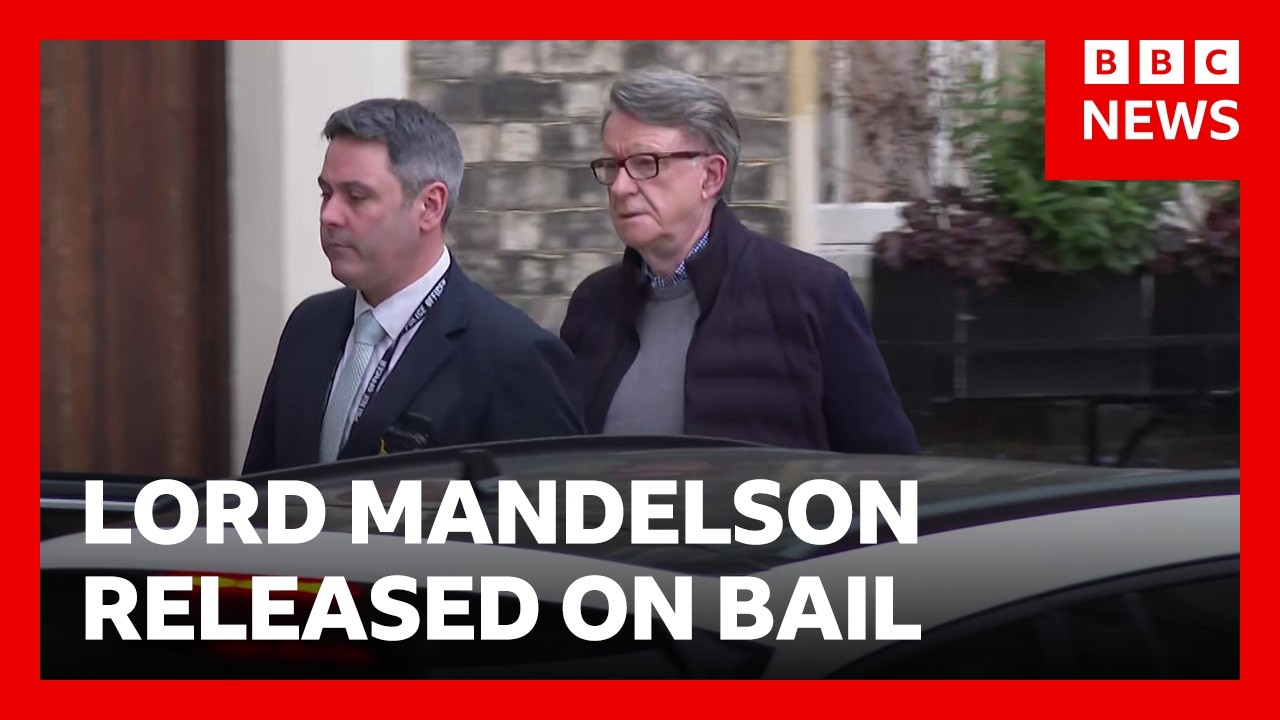
The political landscape in the UK has recently shifted, following the arrest of Peter Mandelson, the former British ambassador to the United States, on suspicion of misconduct in public office. His release on bail comes amidst a broader investigation linked to the notorious Epstein files, raising profound questions about accountability and governmental integrity.
Mandelson’s arrest, which occurred late one evening and resulted in a dramatic return home in a black cab, caught the attention of many onlookers. The Metropolitan Police confirmed that the 72-year-old was released after nine hours of questioning, leaving a swirl of curiosity and concern in the public sphere. Central to the investigation are emails that reportedly reveal Mandelson’s discussions with Jeffrey Epstein concerning proposed EU bailouts and the sharing of sensitive notes with the then-Prime Minister while serving as Business Secretary.
Though Mandelson has remained tight-lipped about the details of the allegations, insiders assert that his defense hinges on a denial of any criminal intent, claiming his actions were not financially motivated. However, the gravity of the situation is compounded by the political ramifications of his association with Epstein, a figure whose own scandals continue to reverberate throughout society.
As Parliament prepares to examine these revelations further, there are pressing calls for transparency regarding Mandelson’s appointment as US ambassador. This scrutiny is particularly intense, with Conservative MPs expressing doubts about the Prime Minister’s judgment in appointing someone now embroiled in such controversy. One MP described the arrest as a defining moment for the Prime Minister’s premiership, capturing an image that would resonate for years to come.
The fallout extends beyond Mandelson. The Liberal Democrats have shifted focus to Andrew Mountbatton Windsor, questioning his role as a UK trade envoy. They have demanded the release of files pertaining to Mountbatton Windsor’s vetting process and appointment, aiming to shed light on how an individual previously linked to dubious activities could hold such a privileged position. The leader of the Liberal Democrats emphasized the importance of accountability for all, regardless of title or connections, reflecting a growing sentiment in Parliament that transparent practices are vital to restoring public trust.
As the Liberal Democrats set the stage for their parliamentary motion aimed at unearthing documents from 2001 related to Mountbatton Windsor’s position, they are poised to demand a deeper inquiry into the vetting processes undertaken by the government. Their initiative seeks not only surface-level clarity but also aims to instigate a wider dialogue about the role of the royal family within public service.
Chief Political Correspondent Henry Zeman highlighted that the overarching aim of the Liberal Democrats is not merely to scrutinize Mountbatton Windsor, but to ignite a conversation about accountability within the royal circle. He noted that Mandelson’s arrest serves as a painful reminder of governance juxtaposed with privilege and questionable connections, magnifying the urgency for reform and discussion about the appropriateness of such appointments.
While parliamentary privilege allows MPs to debate ongoing police investigations, caution is warranted to avoid prejudicing any proceedings. The Speaker of the House of Commons is likely to remind MPs to tread carefully, but this does not dilute the significance of the discourse surrounding these events.
In conclusion, the recent developments surrounding Peter Mandelson’s arrest and the scrutiny of Andrew Mountbatton Windsor’s appointment reveal a pivotal moment in UK politics. The intersection of public office and personal accountability has never been more critical, as citizens demand transparency from those in power. The ramifications of these investigations will resonate beyond current headlines, potentially recalibrating the standards by which public figures are evaluated and held accountable in the future. The unfolding narrative captures not just the intricacies of political power but also the pressing need for integrity within governance.