The Urgent Call for Research on Artificial Intelligence Threats
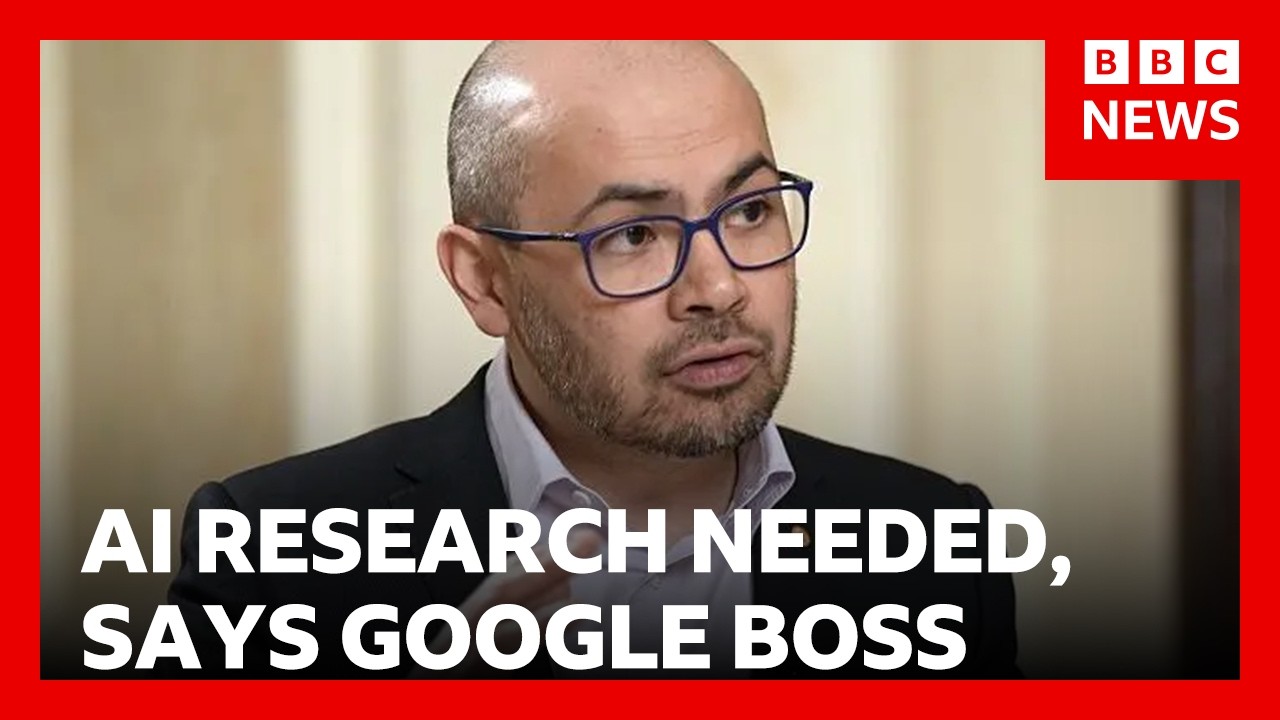
In a landscape increasingly dominated by artificial intelligence (AI), Smis Hassabis, the head of Google DeepMind, underscores a pressing need for more research regarding the risks associated with this transformative technology. Speaking at the AI Impact Summit in Delhi, Hassabis highlighted the dual-edged nature of AI—the multitude of benefits it offers juxtaposed against the potential dangers if the technology falls into the wrong hands.
Hassabis identifies two primary concerns: the misuse of AI by bad actors and the technical risks that arise as AI systems grow more powerful and autonomous. Such fears are not unfounded, as we have already witnessed instances where AI-generated tools have been utilized for malicious purposes, from disinformation campaigns to cyber attacks. The challenge, he argues, lies in creating robust regulatory frameworks to mitigate these risks without stifling innovation.
“Smart regulation,” he posits, is essential. It’s imperative that policymakers understand the nuances of AI technology and its implications. Here, the importance of interdisciplinary research cannot be overstated; technological advances must be mirrored by sociological studies that examine the ethical implications of deploying such systems. This urgent need for research is echoed by numerous experts who call for a balanced approach—a middle ground where innovation can thrive alongside necessary safeguards.
Hassabis believes strongly in human ingenuity. He sees a path forward but recognizes that it hinges on comprehensive and proactive research. “There are many ways it could work,” he says, advocating for collaborative efforts among technologists, ethicists, and policymakers to devise strategies that will ensure the safe development and deployment of AI.
The conversation takes a personal turn when Hassabis reflects on his role as a parent. He recognizes the complexities that today’s children face as they grow up in an era saturated with technology. “There’s always a worry about preparing the next generation,” he admits, acknowledging that the rapid pace of technological change can be daunting. Yet, he remains optimistic. The youth of today, particularly in dynamic environments like India, seem enthusiastic about the opportunities these new tools present.
To better prepare children for the future, Hassabis suggests that educational systems should rethink their approaches. For instance, while traditional STEM skills will always hold value, the emphasis should now also shift toward creativity and critical thinking. The vast capabilities of AI—in coding, analysis, and even creative design—will necessitate a workforce that not only understands these systems but can also guide them. The focus may soon be less on how to code and more on how to prompt AI effectively.
Interestingly, as AI continues to evolve, questions naturally arise about its future capabilities. Will there come a time when AI can prompt itself, thus redefining the nature of human-AI collaboration? Hassabis acknowledges that while the technical foundation of coding is still crucial, the emergence of AI systems capable of code generation might democratize creative processes. In this future landscape, creativity, taste, and judgment will likely become paramount, further emphasizing the need for diverse skill sets in the workforce.
However, the rapid advancement in AI raises cautionary flags. Hassabis criticized the prevailing mindset in some sectors of the tech industry, famously known as “move fast and break things.” While acknowledging the excitement and potential behind rapid innovations, he emphasizes the need for thoughtfulness in deploying powerful AI systems. Google DeepMind aims to set a precedent for responsible technological advancement, balancing bold initiatives—like leveraging AI to cure diseases—with the ethical considerations of their implementation.
In summary, while the future of AI is undoubtedly promising, it is fraught with challenges. The call for urgent research into the threats posed by AI is clear. As we unlock the potential of these technologies, understanding their risks becomes paramount. Only through responsible development and regulatory vigilance can we ensure that AI evolves as a tool for good, benefiting society at large while safeguarding against its misuse.