A New Wave: Electrifying Norway’s Maritime Tourism
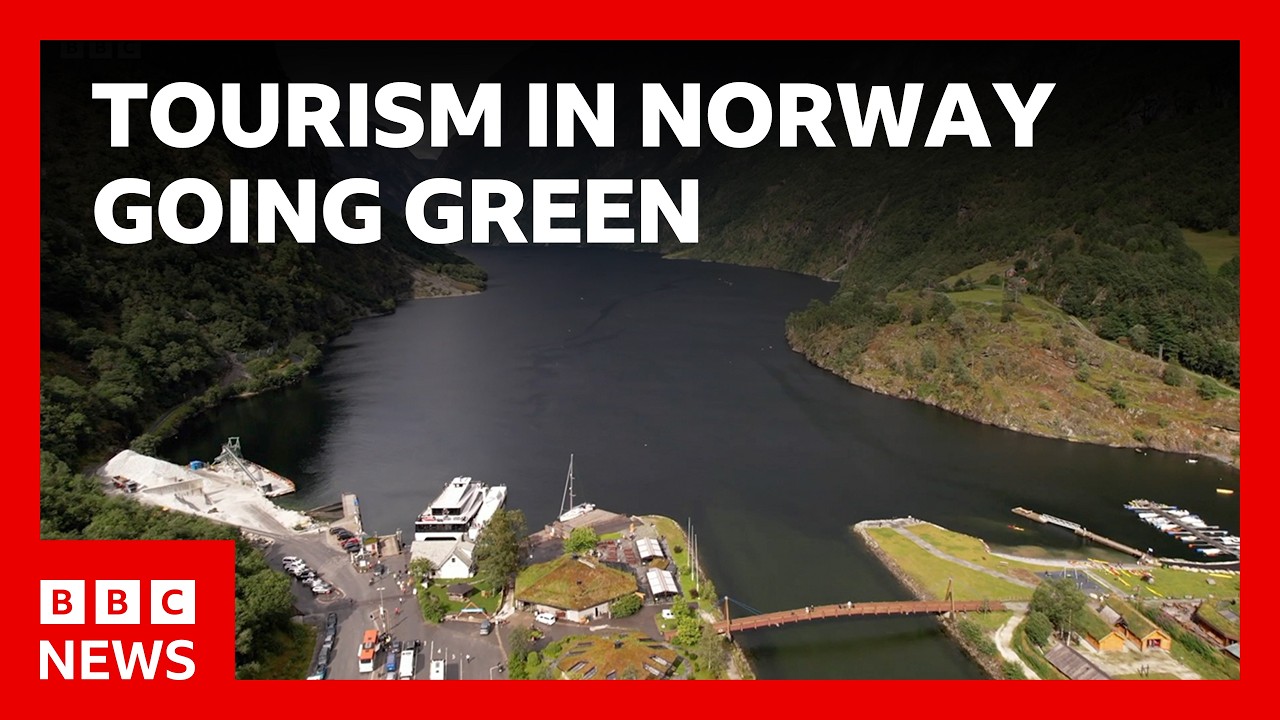
As tourists flock to Norway’s breathtaking landscapes, one of the most appealing activities remains a serene cruise around the Oslo Fjord. Yet, a silent revolution is taking place beneath the surface of these leisurely trips—an electrification of the vessels that traverse this stunning waterway. More than just a fleeting trend, this transformation signifies a commitment to sustainability and a rethinking of how we interact with the ocean.
Brim Explorer, an innovator in the realm of electric tourism at sea, has set a clear goal: to become a pioneer in this domain. Their journey begins at the heart of the vessel, where a hidden compartment houses an impressive array of twenty batteries. Collectively, these batteries have the energy equivalent to four to five electric cars, enabling a quieter, more eco-friendly cruising experience.
However, the advent of electric vessels does not come without its challenges. Issues such as the considerable weight of the batteries and the intricate systems needed to support them must be carefully managed. The battery room, for example, is not merely a storage space; it needs robust insulation in compliance with maritime regulations, which adds further weight. This underscores the complexity involved in designing an electric ship.
Charging these vessels is another component of the equation. Brim Explorer employs an overnight charging system, using approximately 88 kW of power. While a full charge would take about ten hours from an empty state, the batteries are hardly ever depleted to such a level, typically leveraging only 20% to 95% of their capacity for operational efficiency. "The captain wouldn’t leave port if there was a risk of running out of juice," assures a Brim team member. This confidence in the vessel’s capabilities further promotes a sense of security for passengers.
The ethos of Brim Explorer is embodied in their philosophy of "electric by design." The team meticulously scrutinizes each component of the vessel, considering not just efficiency but also the necessity of each part. By eliminating unnecessary components, they unlock extended range and enhance performance. The result is a remarkably streamlined operation, showcasing how a focus on minimalism can lead to substantial gains.
At the core of this electrified vessel is the propulsion motor, a marvel of engineering. This direct-drive mechanism has been custom-designed for Brim, a task that took extensive searching through global motor producers. When faced with a lack of marine-compatible solutions, they opted to innovate, leading to the creation of a system capable of delivering high torque without the complexities often associated with traditional engines.
Driving these electric boats presents a stark contrast to the experience with conventional vessels. The tranquility of electric propulsion allows for effortless conversation and an appreciation of the natural beauty surrounding the cruisers. Brim Explorer aims to attract environmentally-conscious travelers while contending with regulatory shifts mandating zero emissions in certain UNESCO World Heritage sites.
In Norway, the momentum towards electrification is palpable, spurred by both consumer demand and legislative pressure. Captain and crew recognize that electric propulsion is not merely a choice; it’s becoming a necessity. The initial skepticism that accompanied the shift toward electric vessels is waning as operators observe the cost benefits of maintenance—one-third the price of hybrid electric systems. As technology evolves and costs decrease, electric vessels are poised to become the norm rather than the exception.
Norway stands in a favorable position, able to leverage its wealth and existing infrastructure to adopt electric technology. However, the road ahead may prove more difficult for regions less endowed with resources. Despite these challenges, there exists a palpable optimism about the future. “Technology optimism,” as one member of the Brim team puts it, reflects a belief that advancements in renewable energy will usher in a new era.
As Denmark, Sweden, and other nations look towards electrification, Norway’s efforts may serve as a blueprint for a global transition toward greener maritime tourism. The waters of the Oslo Fjord may soon become a model for sustainable travel, promoting an enduring relationship between humanity and the Norwegian landscape—one that relies on respect, innovation, and a commitment to the environment. This new wave of ferrying tourists into the future is not just about electric engines; it’s about ensuring that the journeys we take also preserve the beauty that envelops us.