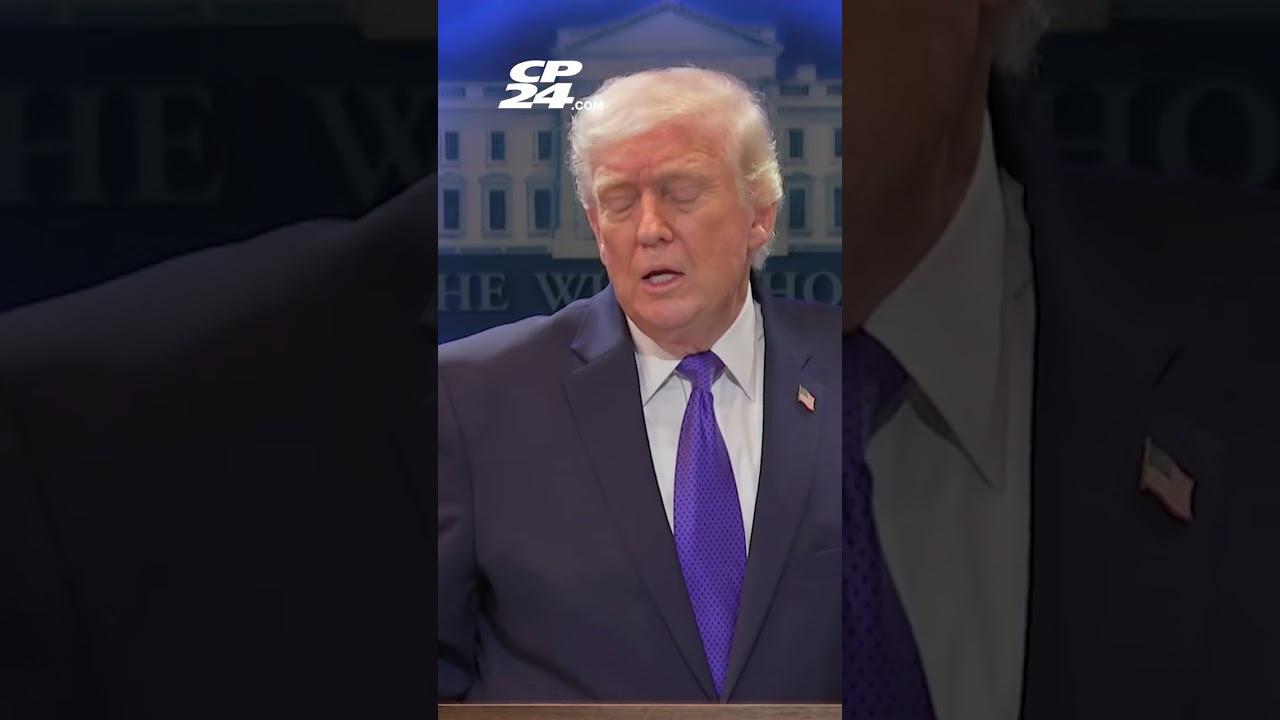
In recent years, the geopolitical landscape has shifted dramatically, particularly in South Asia. The relationship between the United States and India has taken center stage, especially with upcoming events such as the Quad Summit. Insights from sources suggest that the current U.S. administration views its relationship with India as robust, signaling a collaborative and constructive dynamic.
A significant aspect of this relationship is trade. The U.S. and India have engaged in various trade agreements, underscoring their economic ties. This collaboration has not only bolstered economic interests but has had profound implications for regional security as well. Recently, India made headlines for its decision to decrease its dependence on Russian oil. This strategic move came at the request of the U.S., reflecting a willingness on India’s part to reassess its alliances in light of international pressures and humanitarian concerns.
The ongoing conflict in Ukraine has shifted the narrative regarding global energy dependencies, and India’s pivot away from Russian oil signifies a more adaptive approach to foreign policy. This moment exemplifies India’s capacity to navigate complex geopolitical waters while maintaining its own national interests.
Equally important is the dialogue between U.S. leadership and Indian Prime Minister Narendra Modi. Reports indicate that their relationship is strong, marked by frequent communication and shared goals. This bond is pivotal, particularly in light of tensions that have historically existed between India and its neighbors, notably Pakistan.
An alarming situation arose when hostilities flared up, threatening to escalate into a broader regional conflict. At one point, military actions led to the downing of aircraft on both sides, an event that could have easily spiraled into something catastrophic. However, diplomatic efforts proved effective in curbing this escalation.
The resolution of this conflict is attributed to various interventions, including the use of tariffs as leverage. By communicating the potential economic repercussions of continued hostilities, U.S. leadership encouraged both nations to seek diplomatic solutions. The outcome? A cessation of hostilities that is said to have saved countless lives.
This diplomatic success showcases a return to the basics of international relations: negotiation, economic incentives, and mutual respect. Diplomatic tactics that include economic pressures have proven to be effective, highlighting the significance of a multifaceted approach to international engagement. The narrative that has emerged asserts that the U.S. engaged in effective diplomacy not merely through traditional channels, but by utilizing a strategic economic framework.
The Quad Summit serves as a continuation of these efforts. It is an opportunity for leaders from the U.S., India, Japan, and Australia to come together, not just to address mutual security concerns but to foster economic cooperation, technological advancement, and regional stability. The summit will likely feature discussions around various themes, from trade to climate change, underscoring the interconnected nature of contemporary global challenges.
As we look ahead, the future of U.S.-India relations seems promising. Strategies aimed at enhancing bilateral trade, regional security, and technological collaboration are in the forefront. Moreover, the shared goal of a free and open Indo-Pacific underscores the importance of partnership in navigating rising global tensions.
While there are challenges ahead, including engaging other regional players and addressing domestic pressures, the current trajectory of U.S.-India relations paints an optimistic picture. As the Quad Summit approaches, leaders will aim to solidify alliances and outline a vision that not only focuses on shared objectives but also embraces the complexities of the current global landscape. Ultimately, a dynamic partnership between the U.S. and India may serve as a benchmark for how nations can work together to achieve not only national interests but also regional stability and peace.