The Prince and the Scandal: Revisiting Prince Andrew’s Connection to Jeffrey Epstein
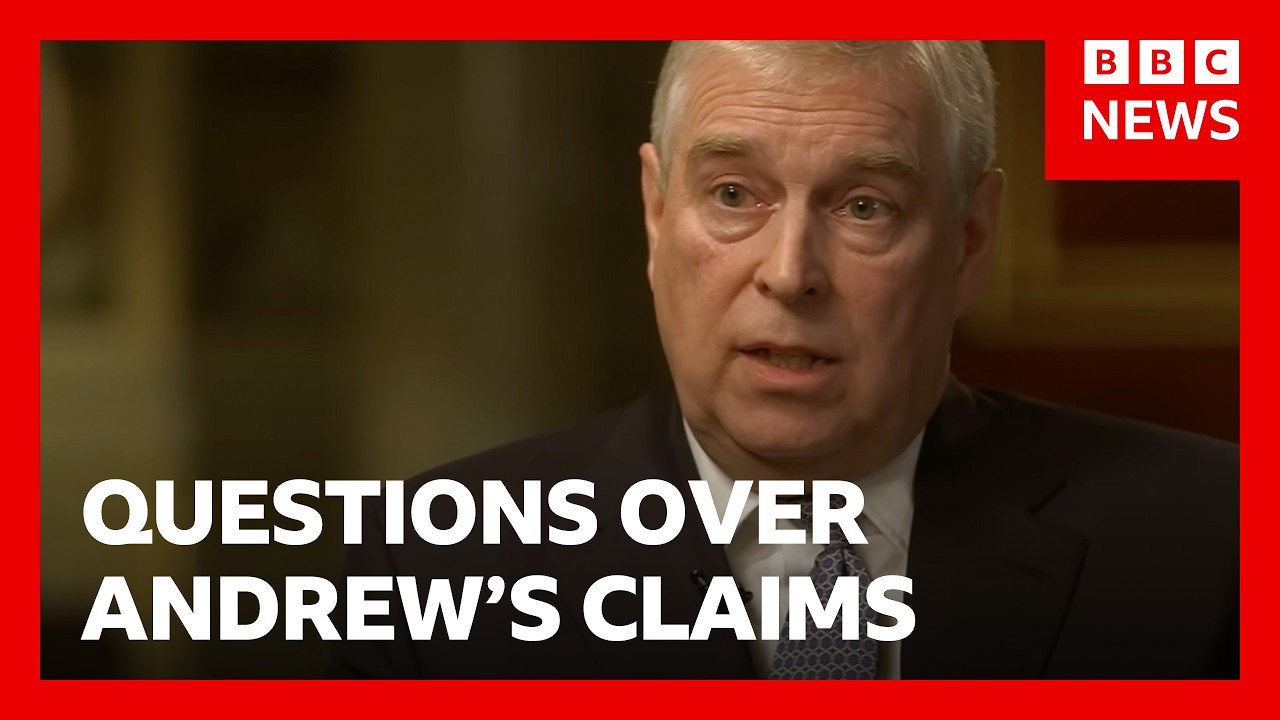
Recent revelations from the Epstein files have raised serious questions about the veracity of Prince Andrew’s statements in a 2019 BBC Newsnight interview. His claims about his relationship with the convicted sex offender Jeffrey Epstein now appear increasingly dubious, given the evidence that has come to light.
During the interview, Prince Andrew declared, “I have no recollection of ever meeting this lady,” referring to Virginia Roberts, one of Epstein’s most prominent accusers. He insisted that from the moment he learned of Epstein’s legal troubles, he ceased all contact. However, documents and emails now suggest a different reality—one where the two maintained a far closer relationship.
Emails uncovered from 2009 reveal that Andrew reached out to Epstein, requesting to stay at his Paris apartment. This correspondence occurred after Epstein was convicted in 2008 of soliciting and procuring a minor for prostitution. The prince’s assertion of having no ongoing ties with Epstein now appears misleading. In early 2011, just months after proclaiming a moral decision to sever ties with Epstein, Andrew was still communicating with him warmly. “We’ll play some more soon,” he wrote, seemingly disregarding the explicit nature of Epstein’s convictions.
The social and professional dealings between Andrew and Epstein continued even after Epstein’s incarceration. In an email sent to Epstein in July 2010, the prince congratulated him on his release, expressing his eagerness to reconnect. Not long after, a photograph surfaced showing the two walking together in Central Park. Andrew later claimed that they mutually decided to part ways, yet this assertion has been contradicted by the evidence of their continued correspondence, including holiday greetings.
Prince Andrew’s obfuscation extends to his denials regarding Virginia Roberts. He stated emphatically, “I have no recollection of ever meeting this lady,” despite evidence to the contrary. Emails indicate that both Andrew and Epstein were aware of her allegations and were preparing a defense well after the purported severance of ties.
Further complicating matters is the involvement of Ghislaine Maxwell, who was not only Epstein’s confidante but also served as an intermediary for Andrew. Documented communications reveal discussions about Roberts, her accusations, and strategies to mitigate any potential fallout. Maxwell’s notes highlight a past encounter between Andrew and Roberts, casting doubt on Andrew’s claims of ignorance.
Moreover, the newly released emails demonstrate Andrew was not merely a passive observer in these affairs. He schlepped documents from his role as a trade envoy to Epstein, including sensitive information regarding Afghanistan. Such conduct suggests a level of complicity that contradicts his claims of having severed connections after 2010.
Even in light of this evidence, Andrew has maintained his narrative that he acted out of a sense of duty and leadership. He asserts that his interactions with Epstein were predicated on a misguided judgment, made “for the right reasons.” This justification not only lacks credibility but also raises further concerns regarding royal accountability and ethical standards.
Emily Mateless, the journalist who conducted the interview, pressed Andrew on the enduring nature of his ties to Epstein, suggesting that despite his claims, evidence shows ongoing communication, including on Christmas Day. Andrew’s responses often danced around the truth, further undermining the authenticity of his statements.
In conclusion, as more damning information comes to light, Prince Andrew’s attempts to distance himself from Epstein and his alleged crimes become increasingly difficult to sustain. The contradiction between his public denials and the documented interactions with Epstein reveal a troubling pattern of evasiveness. While he continues to deny any wrongdoing, the facts lay bare an uncomfortable association that casts a long shadow over both his character and the institution he represents. The call for greater transparency from the prince himself grows ever louder as the public questions whether the royal family can truly distance itself from issues of morality and accountability.