The Rise and Fall of Clavvicular: A Cautionary Tale in Online Culture
The internet has birthed countless personalities, but few have captured the public’s attention like Clavvicular, a self-proclaimed "looks maxer." At just 20 years old, he epitomizes the extremes individuals will go to in pursuit of physical perfection. This article delves into his journey, the language of looks maxing, and the darker themes of self-harm and body dysmorphia that accompany this subculture.
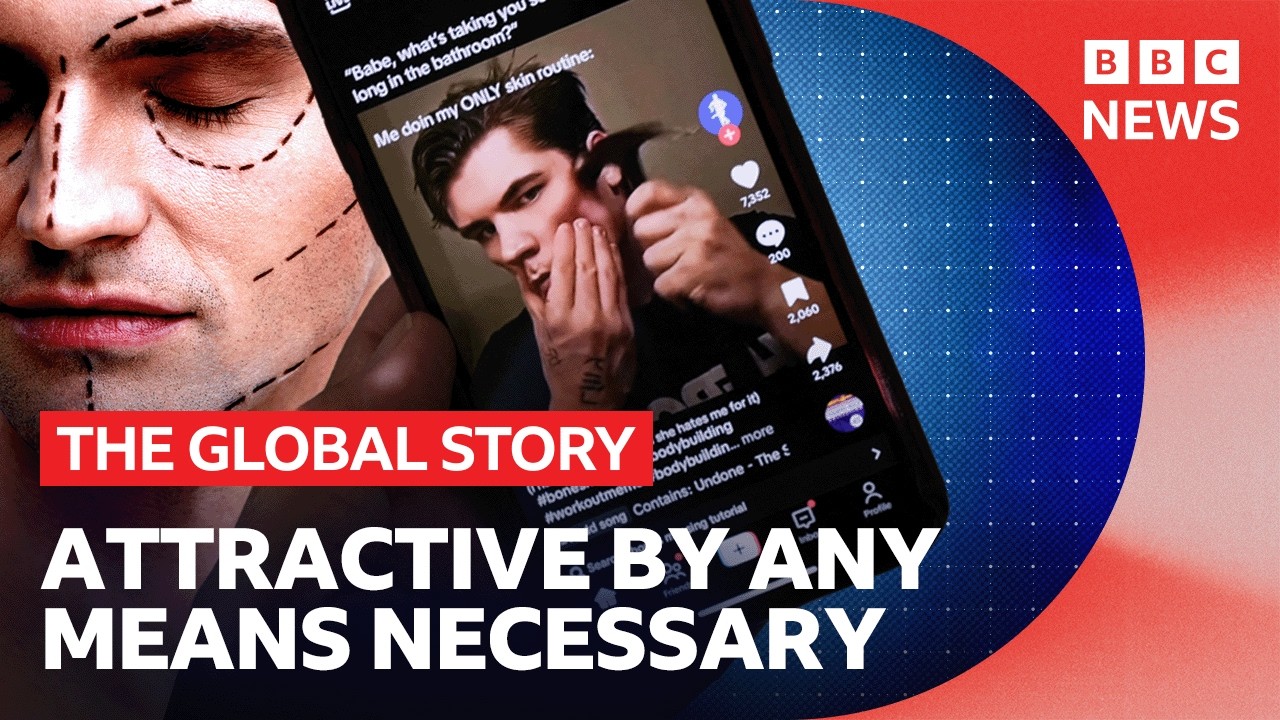
Clavvicular, born Braden Peters, hails from Hoboken, New Jersey. He first gained notoriety through live streaming, promoting a philosophy centered around enhancing one’s appearance by any means necessary. For Clavvicular, this has included actions as drastic as hitting himself in the face with a hammer, all in pursuit of a more chiseled jawline. His journey reflects a disturbing obsession with physical appearance that has drawn both followers and critics.
Language is a powerful tool in the realm of online subcultures. Clavvicular’s rise has coincided with the proliferation of a unique lexicon that may sound alien to outsiders. Terms like "mogging" and "jester gooning" have become part of a vernacular that describes social dynamics among men, particularly in relation to physical attractiveness. "To mog" someone means to assert superiority, often derived from physical attributes—essentially a conquest of ego in a Darwinian social scene.
The phenomenon of looks maxing has its roots in a darker philosophy known as blackpilling. Unlike the redpill ideology that suggests awakening to perceived societal injustices against men, blackpilling posits a grim reality: that one’s worth is predetermined by genetics. Herein lies Clavvicular’s message. Rather than resign themselves to an "incel" fate—defined as involuntary celibacy due to lack of attractiveness—individuals can "ascend" by enhancing their looks. However, this quest for perfection rarely ends well; for many, it serves as a catalyst for self-destructive behaviors.
Investigative reporter Matt Sheay, who has explored similar themes in his work, highlights the unsettling aspects of Clavvicular’s lifestyle. Behind the humor and absurdity, there lurks a serious undercurrent of self-harm and substance misuse. For example, Clavvicular has openly discussed taking testosterone since the age of 14, leading to infertility—an extreme sacrifice for a superficial goal. This dramatic irony raises questions about the ultimate destination of such endeavors: Is the competition for social validation and perceived masculinity worth the physical and psychological toll?
Clavvicular is not just a solitary figure; he has managed to intertwine his narrative with other influencers in the so-called "manosphere." This collection of communities and ideologies often adopts a hyper-masculine viewpoint that frequently vilifies feminism. As both a product and critique of this environment, Clavvicular attracts curiosity and condemnation in equal measure. His capacity to galvanize a following has transformed him into a global meme, illustrating society’s insatiable appetite for controversial content.
Perhaps the most troubling aspect of Clavvicular’s ascent is its intersection with toxic political ideologies. His association with known figures who engage in far-right rhetoric, combined with jarring public statements, reflects a broader trend of nihilism where aggression serves as a vehicle for securing relevance. The breach from self-improvement to overt misogyny indicates a dangerous shift in priorities.
As societal divides between genders intensify, so too does the space for individuals like Clavvicular to flourish. Recent studies suggest young men are increasingly viewing feminism as a threat, a narrative that feeds directly into the manosphere’s grievances. This cultural shift is not just isolated to fringe communities; it has the potential to proliferate into mainstream ideologies, making it imperative for society to address these narratives before they gain further traction.
In conclusion, the story of Clavvicular serves as a cautionary tale about the extremes of internet culture and the implications of chasing an idealized version of oneself. It urges us to reflect on our values regarding beauty, success, and the pressures placed upon young men in today’s society. As we navigate this digital landscape, it is essential to remain vigilant about the narratives we propagate and the realities they underpin.