US House of Representatives Votes Against Trump’s Tariffs on Canada: A Symbolic Gesture with Significant Implications
In a notable development in the political arena, the US House of Representatives has taken a stand against President Donald Trump’s tariffs on Canada. In a move that reflects a rare bipartisan stance, six Republican lawmakers joined their Democratic counterparts to cast their votes against these tariffs. While the measure did not achieve the two-thirds majority necessary to override a presidential veto, it marked a significant moment in the ongoing debate about trade relations between the United States and Canada.
The votes against the tariffs underscore a growing sense of unease among lawmakers regarding the potential impact of such protectionist measures. President Trump’s tariffs have long been a point of contention, and this latest vote symbolizes a collective desire among certain legislators to reevaluate America’s trade strategy. The bipartisan nature of the vote is particularly striking in an era characterized by deep political divisions. The fact that six Republicans chose to break ranks with their party leadership signals an emerging consensus on the impact of tariffs not only on international relations but also on domestic economic stability.
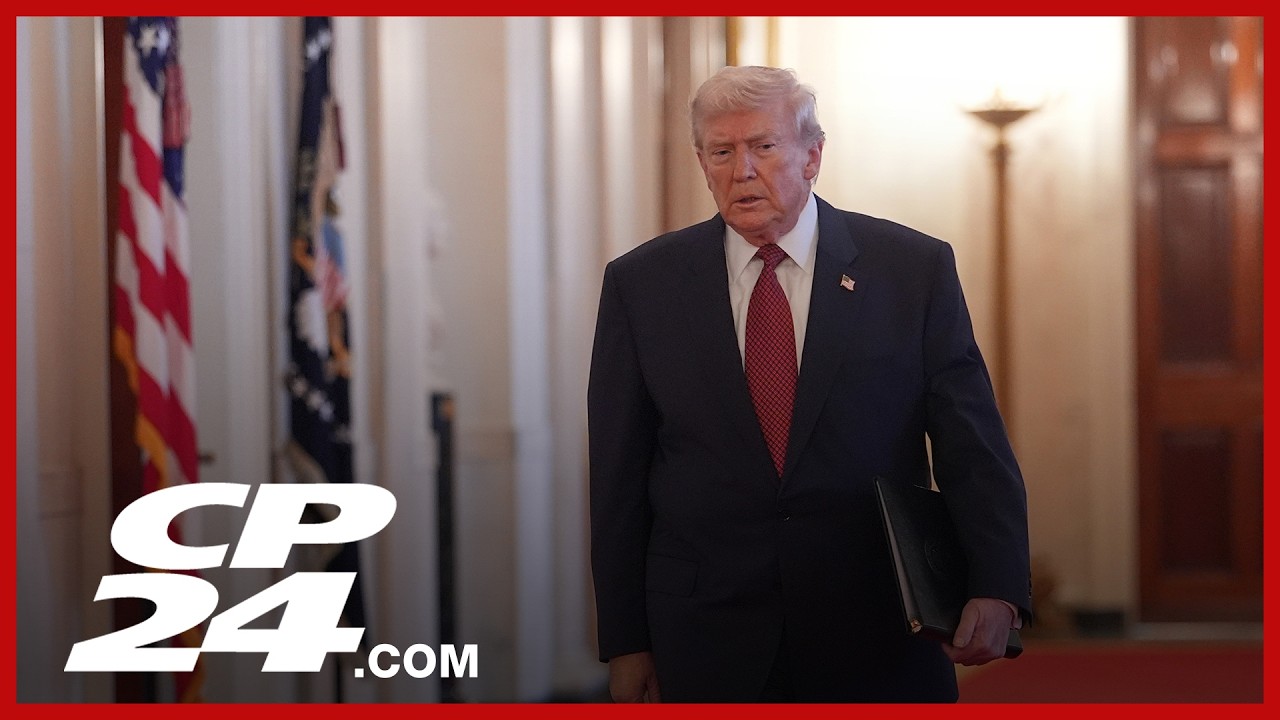
In response to the House’s decision, President Trump did not hold back. He labeled Canada as a nation that has "taken advantage" of the United States in trade matters for years. Furthermore, he asserted that Canada ranks among the "worst in the world" when it comes to trade relationships. Such statements exemplify the Trump administration’s often combative approach to trade, one that prioritizes a confrontational stance over collaborative discussions. The President’s rhetoric, however, may not resonate universally among legislators or the public, as the economic implications of tariffs can result in unintended consequences.
In parallel to the political backlash, Ontario Premier Doug Ford took to social media to express his gratitude toward those members of Congress who opposed the tariffs. His message emphasized the importance of free trade and the economic ties that bind the two neighboring countries. Ford’s affirmation highlights not only the necessity of maintaining a stable trade relationship but also the crucial role that political unity can play in fortifying economic growth. By acknowledging bipartisan support, he aims to reinforce the idea that the economic prosperity of both the United States and Canada is intertwined.
The economic realities of the current trade landscape cannot be understated. Tariffs often carry the risk of escalating costs for consumers, disrupting supply chains, and potentially stifling economic growth. As lawmakers ponder the implications of tariffs, they find themselves at a crossroads. Balancing national interests with global trade commitments is no small task. As economic interdependence continues to grow, the discussions about tariffs will likely intensify.
This recent vote also invites further scrutiny into the Trump administration’s broader trade policies. The potential for escalating trade disputes is ever-present, with Canada being one of the most significant partners in the United States’ trade landscape. Lawmakers are now challenged to navigate the complexities of these relationships carefully. The opposition to tariffs may serve as a harbinger of more extensive discussions on how trade should be managed in an increasingly interconnected world.
As the fallout from this vote continues to unfold, the implications for international relations and domestic policy remain uncertain. The call for a more nuanced approach to trade has been echoed across party lines. A reliance on tariffs may provide a short-term solution, but the long-term effects are more nebulous and potentially damaging to both economies.
In conclusion, the House of Representatives’ vote against President Trump’s tariffs on Canada, albeit symbolic, has sparked a broader conversation about the future of trade policy in America. With significant bipartisan support, this vote indicates a shift in perspective among lawmakers. As the political climate evolves, one thing is clear: the relationship between the United States and Canada will continue to be a focal point in discussions around trade—an issue that affects economies, communities, and citizens on both sides of the border.