U.S.-Iran Negotiations: A Complex Path to Diplomacy
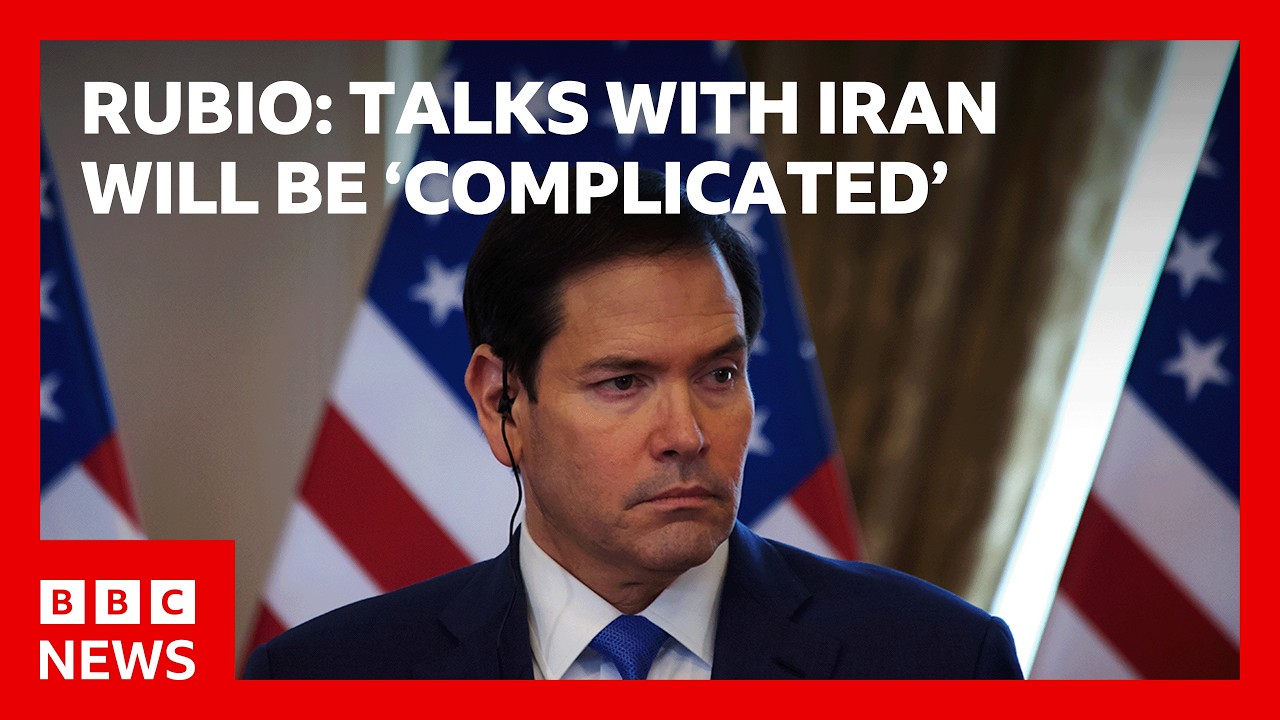
The diplomatic landscape surrounding Iran’s nuclear program is fraught with tension as the United States prepares for a second round of negotiations. With Marco Rubio, America’s top diplomat, acknowledging the complexity of the discussions, expectations are tempered. Days before the talks commence in Geneva, Rubio affirmed that President Trump’s envoys, Steve Witoff and Jared Kushner, are en route, having participated in initial discussions in Oman just ten days prior.
Tehran has confirmed its participation, signaling a willingness to engage in dialogue over its nuclear ambitions. However, the geopolitical stakes are high; the U.S. has strategically deployed two warships to the Middle East, symbolizing a dual commitment to diplomacy while maintaining readiness for military action. This proactive military posture reflects a perception of ongoing threats from Iran, highlighting the precarious balance that the Biden administration must navigate.
Rubio responded to questions regarding military action against Iran, emphasizing the administration’s preference for diplomatic solutions. He noted the influential role of radical Shia clerics in Iranian politics, which complicates the negotiation process. “No one’s ever been able to do a successful deal with Iran, but we’re going to try,” he remarked. While he asserted that the U.S. would comply with Congressional directives regarding military engagement, the emphasis remained on diplomacy as the primary avenue for resolution.
Iran’s Deputy Foreign Minister, Majid Takht-Ravanchi, has publicly stated that the onus is now on the U.S. to demonstrate its readiness for negotiations. He called for a reciprocal approach, insisting that discussions about lifting sanctions must be part of any agreement. “It has to be a give and take,” he stated, underscoring the necessity for mutual concessions in the negotiation process. The diplomat expressed cautious optimism, indicating that although the first round of talks was promising, the uncertainty remains. Past experiences, including contentious negotiations that escalated into military confrontation, loom large in the background.
The current economic situation in Iran exacerbates these tensions. With inflation rates spiraling and the rial experiencing dramatic devaluation, day-to-day life has become increasingly untenable for ordinary Iranians. Prices for essentials have surged by as much as 75% in the last year, further fueling public discontent. Lee Ducet of the BBC reported on the dire economic reality, noting that decades of sanctions, compounded by mismanagement and corruption, have left many Iranians struggling to survive.
Unfortunately, amidst these grave circumstances, the broader conversation often defaults to nuclear proliferation, sidelining pressing social issues and the voices of Iranian protesters seeking change. Many individuals on the ground express frustration at what they perceive as an inconsistency in U.S. policy — the same administration that once offered support to dissenters now engages the very regime those dissenters oppose.
Rubio’s remarks on the potential for “regime change” in Iran add another layer of complexity. While he claims that the Trump administration prefers negotiation, the rhetoric of regime change sends mixed signals to Tehran and its populace alike. It raises questions about the sincerity of diplomatic overtures and whether the U.S. genuinely seeks de-escalation or covertly harbors intentions of regime alteration.
As negotiations unfold, the international community watches closely. For many Iranians, hope for peaceful resolutions exists alongside palpable fear of military conflict. The stakes for all sides are substantial. A failure to arrive at a compromise could have catastrophic consequences, creating opportunities for further military escalation.
In summary, while diplomatic talks present a potential pathway to resolve longstanding tensions over Iran’s nuclear program, the road ahead is shadowed by years of mistrust, economic hardship, and complex geopolitical realities. The outcome remains uncertain, yet the imperative for meaningful dialogue is more pressing than ever. The world’s eyes are on Iran and the United States, as they navigate this intricate dance of diplomacy amid the looming specter of military confrontation.