Challenges of AI Collaboration: Anthropic and the Pentagon Confront Ethical Boundaries
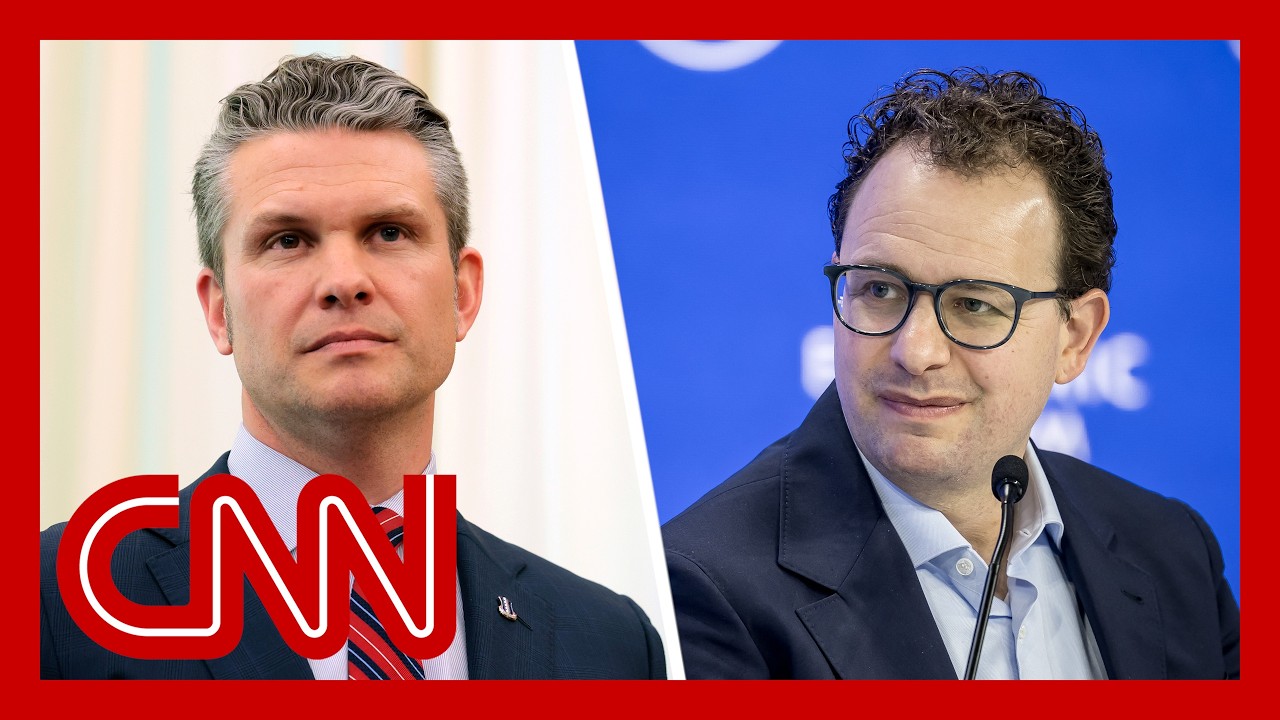
In a pivotal meeting today, the CEO of Anthropic, one of the leading AI firms, faces off against Defense Secretary Pete Hegsath. This encounter comes amidst serious tensions as the Pentagon threatens to blacklist Anthropic from lucrative government contracts unless the company relaxes its restrictions on military applications of its technology. At the heart of this standoff is a $200 million contract that underscores both the stakes involved and the complexities of modern technology governance.
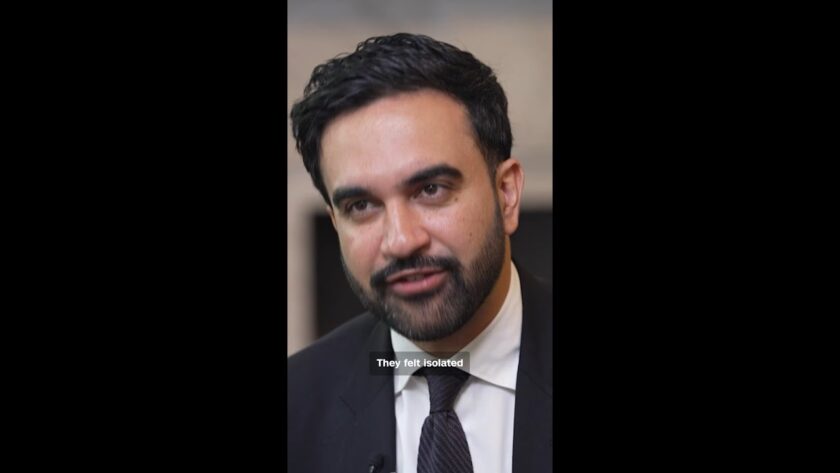
Anthropic’s reservations revolve around two primary concerns: the potential use of AI for autonomous weapons and its implications for mass surveillance of American citizens. These apprehensions are hardly unfounded, given the rapid advancements in AI capabilities and the historically tenuous relationship between technology and military applications. As noted by technology journalist Jacob Ward, the defense sector often seeks to push technological boundaries, typically expecting that ethical considerations will follow market forces. However, Anthropic’s leadership is navigating a different reality, one in which fears of misuse loom large.
Dario Amadai, Anthropic’s CEO, has openly discussed the ethical dilemmas surrounding AI. He has expressed concern that their technology could be utilized for authoritarian purposes, particularly in surveillance and autonomous weaponry—areas where ethical guardrails are critical. Notably, Amadai discovered that Anthropic’s partnerships facilitated military operations, such as the capture of Venezuelan President Nicolás Maduro, without his prior knowledge. This revelation further highlights the ethical dilemma faced by tech companies when their innovations are co-opted for unanticipated military actions.
Anthropic’s technology, particularly its Claude AI model, is currently the only one permitted within the Pentagon’s classified systems. This unique status underlines the Department of Defense’s reliance on Anthropic’s advancements, especially in areas requiring rapid decision-making like cyber offense and surveillance. Reports suggest that AI could transform standard devices, such as Wi-Fi routers, into sophisticated tracking systems capable of significant domestic surveillance—an alarming reality that raises civil liberties concerns.
Yet the Pentagon’s approach has been somewhat rigid. Officials have made it clear that they expect unrestricted access to the technology. They argue that, as a contractor, Anthropic must relinquish control over how its tools are used. This posture places Anthropic in a precarious position, potentially forcing it to choose between ethical integrity and financial survival.
As pointed out by Axios, should Anthropic refuse to cooperate, the Pentagon could impose designations that severely limit the company’s business opportunities with other defense contractors. This scenario would liken Anthropic to firms typically labeled as supply chain risks due to affiliations with foreign adversaries—an ironic twist for a U.S.-based tech company.
The competition is fierce, and alternative suppliers, including Google, Meta, and Elon Musk’s XAI, are poised to step into the breach. Musk’s XAI has already indicated a willingness to offer services with fewer ethical constraints, presenting a troubling risk: a more unscrupulous competitor could undercut Anthropic’s value by ignoring the very principles the latter seeks to uphold.
The stakes are increasing for both sides, with the Pentagon and Anthropic seemingly at an impasse. The Defense Department has voiced its intention; Anthropic has articulated its concerns. Each maintains a steadfast position, with neither side likely to yield easily.
Yet, the landscape of AI, by its nature, is ever-evolving, characterized by rapid change and unforeseen developments. The potential for compromise might exist in the form of a temporary continuation of their current arrangements—allowing Claude to remain in use until an adequate replacement emerges. However, such a solution may only delay rather than resolve the ethical dilemmas at hand.
In essence, this standoff encapsulates broader questions surrounding the future of AI control. Who decides how this technology is used? What ethical frameworks will govern its application? As sectors like defense and technology increasingly intersect, the need for clear guidelines becomes more pressing than ever. With both sides rooted in their respective positions, the upcoming meeting will be a critical moment, one that could reshape the future of AI contracts in defense and beyond.
Ultimately, the path forward may require navigating a complicated landscape where ethical responsibility and national security interests must not only coexist but also shape a more sustainable framework for technological innovation.