Decisive Negotiations in Geneva: The Tensions Between Iran and the United States
As diplomatic tensions reach a pivotal moment, the ongoing negotiations between Iranian and American officials in Geneva carry implications that could shape the future of international relations. Set against the backdrop of economic upheaval and political unrest, these talks will play a crucial role in determining whether a destructive conflict or a diplomatic resolution will define the next chapter in U.S.-Iran relations.
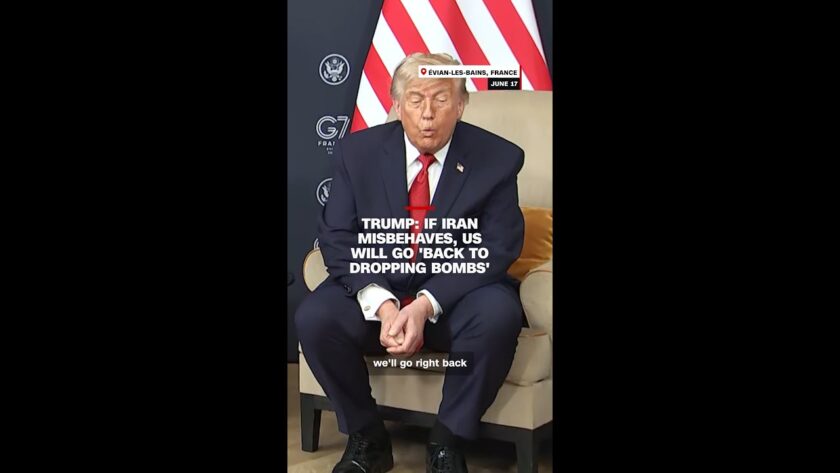
In recent weeks, President Donald Trump has issued repeated warnings to Iran, urging the country to expedite negotiations concerning its nuclear program. This urgency stems from concerns that Iran’s intentions may not align with global non-proliferation norms. The stakes are high. A potential nuclear weapon in the hands of Iran not only threatens regional stability but also poses a broader risk to international peace.
On the Iranian side, a different perspective emerges. Iranian negotiators assert that they have made concessions that reflect a genuine commitment to transparency concerning their nuclear activities. The Iranian government has indicated a willingness to reassure the United States about its nuclear ambitions, claiming that its nuclear program is for peaceful purposes. However, this reassurance comes with conditions. Iran seeks the removal of crippling economic sanctions that have severely impacted its economy. These sanctions, initially imposed in response to Iran’s nuclear ambitions, have precipitated a dire economic crisis characterized by skyrocketing prices and a devalued currency.
This economic instability has not only affected daily life for ordinary Iranians but has also led to widespread public discontent. The unrest that erupted in recent years, ignited by frustrations over rising prices and a collapsing national currency, culminated in protests that were met with brutal governmental repression. Thousands lost their lives amidst the turmoil, highlighting the grave consequences of the ongoing sanctions and the fragility of Iran’s political landscape.
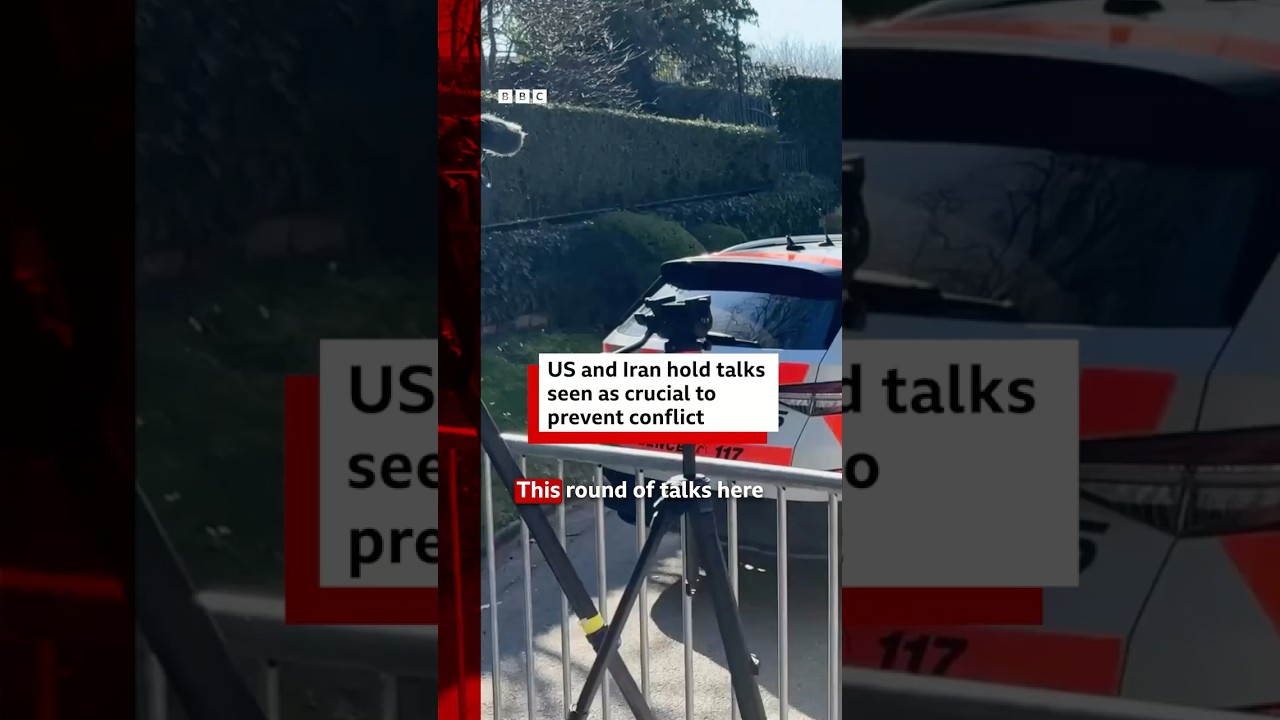
As the negotiations unfold, there is a palpable tension in the air. The world’s media has descended upon Geneva, signaling a keen interest in the outcomes of these discussions. Cameras and journalists are poised, eager for any indication of progress or setbacks. Despite this, there is a growing consensus that while a deal may be challenging to broker, it is not impossible. Many observers believe that both parties recognize the urgency of resolving this impasse.
Yet, a significant element looms beyond the negotiating tables. The true decision-makers in this context are not physically present in Geneva. President Trump, stationed in Washington, and Ayatollah Ali Khamenei, the Supreme Leader of Iran, hold the keys to any resolution. Their respective positions and willingness to compromise are critical determinants of the negotiations’ success.
Prospects for a deal depend not only on the negotiating teams but also on the directives they receive from their leaders. If President Trump continues to press for stringent terms, it may undermine the confidence of Iranian negotiators. Conversely, if Ayatollah Khamenei decides to adopt a more conciliatory stance, it could provide the necessary impetus for meaningful negotiations.
At this juncture, the future is uncertain. The stakes are undeniably high. A successful diplomatic resolution could transform U.S.-Iran relations, opening avenues for cooperation and stability in the Middle East. Conversely, a failure to reach an agreement may exacerbate tensions, potentially leading to another conflict—one that could have devastating consequences not only for the involved nations but also for global peace.
As the sun sets over Geneva, all eyes remain glued to the unfolding narrative. The talks are not merely about nuclear weapons; they represent the aspirations, fears, and desires of nations. In this moment, the world watches and waits, hoping for diplomacy to prevail over conflict.