Navigating the Future of Music: The Role of the Recording Academy in an Evolving Industry
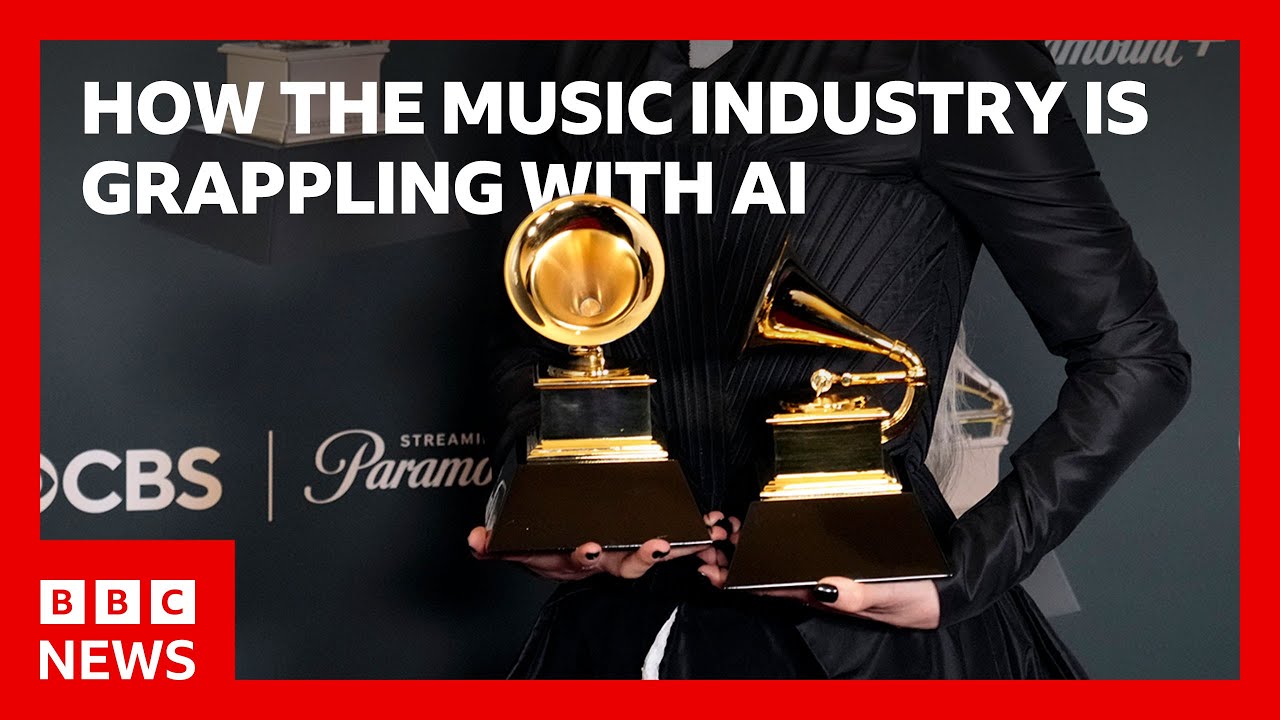
The landscape of the music industry is undergoing profound changes, driven by technological advancements and shifting economic models. The Recording Academy, widely recognized for producing the Grammy Awards, operates year-round as an organization dedicated to advocacy, support, education, and community building for creators within the music realm. At the heart of its mission lies an urgent inquiry: Are creators receiving a fair deal from the dominant streaming services that now shape the industry?
Streaming has revolutionized how we consume music, yet this transformation has not benefited artists equally. As the Academy’s leadership notes, artists are struggling to secure a fair share from the revenues generated by streaming platforms. This disparity stems from the fundamental differences in economic models. The analog age, characterized by physical media like CDs and vinyl records, operated on a different economic principle than today’s streaming services, where royalties are distributed in complex ways.
Understanding these mechanisms is crucial. Music features distinct types of copyrights: the sound recording (mechanical rights) and the underlying composition (publishing rights). Each has its own set of rules and compensation structures. The Recording Academy advocates for legislation that seeks to create a more equitable distribution of revenue, emphasizing that without creators, the entire music ecosystem falters.
How, then, can these changes be enacted? Advocacy through legislation is a starting point, combined with engaging technologists in discussions about the implications of artificial intelligence (AI) in music. The potential for AI in the industry presents both exciting opportunities and significant threats. For instance, AI-generated artists, such as the hypothetical "Sienna Rose," raise questions about authenticity and compensation. If the majority of music consumed is generated by machines, what happens to the livelihood of human musicians?
The reality is concerning. As streaming platforms could favor AI-generated content—effectively bypassing royalties—it could lead to a landscape where human creativity struggles to survive. The Recording Academy’s concern is not unfounded, as it recognizes the need for transparency in how music is produced and consumed. Much like food labeling that empowers consumers to make informed choices, there’s a call for similar clarity in the music industry.
The challenge becomes not just about protecting existing structures but enhancing them. Suggestions include employing systematic transparency that helps listeners distinguish between human-created music and AI products. The ethical use of intellectual property needs stringent legislation, ensuring that artists retain control over their likeness and sound. In an age of rapid technological advancement, it is imperative that legal frameworks evolve concurrently.
Moreover, the Academy believes in empowering creators. Each musician should have the agency to decide how their work is used, including the possibility of outsourcing their voice for new creations while also expecting fair compensation. This dual approach of safeguarding rights and allowing for creative exploration may foster new income opportunities, thereby enriching the entire industry.
While some may view the rise of AI in music as purely dystopian, the potential for innovation should not be overlooked. Open-source models have proven successful across various sectors, demonstrating that collaboration can lead to increased incomes. However, a foundational understanding and regulation must be established to prevent a future dominated solely by machine-generated content.
The path forward is fraught with complexities, but with organizations like the Recording Academy committed to advocacy and education, there remains hope for a balanced coexistence of human artistry and technological innovation. As the industry navigates this uncharted territory, a concerted effort to protect the rights of creators while exploring new frontiers is essential. Only time will reveal whether this delicate balance can be achieved or whether we will find ourselves in a world where human creativity is relegated to the periphery.