The Intricacies of U.S.-Iran Relations: A Geopolitical Standoff in Geneva
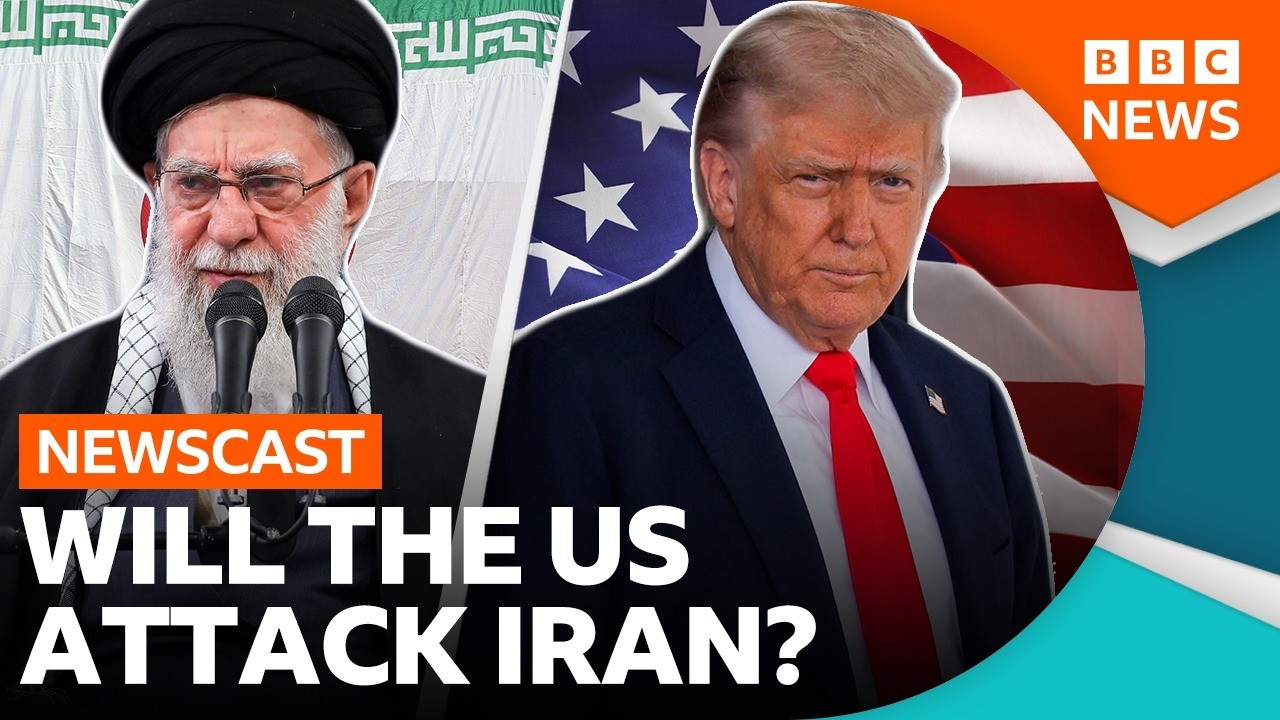
In the complex arena of international diplomacy, few issues are as contentious as the negotiations regarding Iran’s nuclear program. Currently, these discussions are unfolding in Geneva, albeit in a rather unconventional manner. Rather than gathering around a table, American and Iranian representatives are operating in separate rooms, mediated by Omani officials. This indirect negotiation model has characterized the tense interactions between the two nations, highlighting both the potential for dialogue and the underlying mistrust that persists.
The gravity of the situation cannot be overstated, as U.S. relations with Iran have reached a critical juncture. Jared Kushner and Steve Witkoff represent the American perspective, while Iran’s foreign minister participates, underscoring the delicate balance of power. As insiders point out, there is significant pressure to reach an agreement. The stakes are particularly high with a formidable U.S. military presence in the region, characterized as a massive “armada” by President Trump. With two aircraft carriers operating in nearby waters, military action remains a looming possibility, squeezing the negotiation process.
For many observers, the phrase "here we go again" rings in their ears, given the cyclical nature of these talks. Jane Corbin, a filmmaker with extensive experience covering the Middle East, offers a historical perspective. She notes that while the current administration seeks to prevent what they term "kinetic action," the possibility of escalating tensions has never been more palpable. The Trump administration, having walked away from a prior agreement established under President Obama, now finds itself grappling with similar, if not more complex, challenges.
A major point of contention revolves around what exactly constitutes a reasonable agreement. Hardliners within the Trump administration, including Secretary of State Marco Rubio, advocate for including ballistic missiles—a demand that Tehran flatly rejects. The Iranian officials assert their commitment to peaceful nuclear technology while firmly maintaining their right to enrich uranium. This fundamental divergence complicates the prospect of a mutually beneficial agreement.
Amid these diplomatic tensions, clarity remains elusive. Gary O’Donnell, a chief North America correspondent, draws attention to the mixed signals emanating from the U.S. administration. The rhetoric is disjointed, with declarations suggesting Iran’s nuclear capabilities have been “obliterated,” juxtaposed with warnings that Tehran may be closer than believed to producing weapons-grade material. Such contradictory messaging only serves to further muddle the situation.
As attention focuses on Tehran, Israel’s concerns regarding the Iranian proxies, particularly Hezbollah, resurface. Despite the perception that Israel effectively diminished Hezbollah’s capabilities in previous conflicts, the group still possesses a significant arsenal. Israeli Prime Minister Benjamin Netanyahu has pressed for a comprehensive agreement that addresses not just Iran’s nuclear ambitions, but also its support for regional proxies. The distance between Netanyahu and Trump’s administrations regarding policy has become evident, creating additional layers of complexity.
The ripple effects of these negotiations extend far beyond the region. The global economy, particularly oil markets, is highly sensitive to tensions in the Middle East. As oil prices surge, driven by speculation around the potential for conflict, the implications for consumers and economies worldwide cannot be overlooked. The Strait of Hormuz, a critical chokepoint for oil shipments, looms large in discussions, with fears that any disruption could trigger widespread economic fallout.
The Iranian public finds itself in a precarious position, grappling with the consequences of sanctions and economic hardship. Protests have re-emerged in recent days, reflecting the populace’s frustration over internal conditions exacerbated by external pressures. Jane Corbin emphasizes that while the diplomatic talks continue, the Iranian regime’s ability to manage public discontent hinges on the prospect of economic relief.
In summary, the ongoing negotiations in Geneva encapsulate the intricate web of geopolitical interests at play. The divergent positions of the U.S. and Iran—compounded by regional dynamics and economic ramifications—signal that achieving a lasting resolution will not be straightforward. As the world watches closely, the importance of diplomacy in navigating these treacherous waters cannot be overstated. The stakes may be international, yet the human cost and the potential for conflict always bring it back to a deeply personal level for those caught in the crossfire of global power struggles.