The Unyielding Struggle in Eastern Ukraine: Civilians in the Crossfire
In the besieged landscapes of Eastern Ukraine, the remnants of infrastructure tell a harrowing tale of destruction. A power station, ravaged by Russian ballistic missiles and drones, stands as a symbolic representation of the ongoing conflict—beyond repair, yet teeming with remnants of salvaged steel. While specifics of its location remain undisclosed for security reasons, the implications of such attacks on civilian infrastructure bear a striking resemblance to the very core of this war.
The winter months have become particularly brutal for Ukrainians, as Russian artillery targets the power grid, depriving civilians of essential light and heating in a bid to dismantle their resolve. Each strike is shrouded in a grim rationale; Moscow claims to be retaliating for Ukrainian actions. However, as temperatures plummet and civilian suffering escalates, one wonders if these calculated attacks truly inch Russia closer to victory. In actuality, they may only galvanize a resilient populace, further igniting their determination to resist.
"You can see why the Russians hit these places," reflects a foreman at the demolished power station. With fierce obstinacy, he states, "They want to make us kneel. They want to bring Ukraine to its knees." This sentiment encapsulates the essence of Ukraine’s relentless defiance; it is a nation unwilling to yield, its spirit undiminished even amidst adversity.
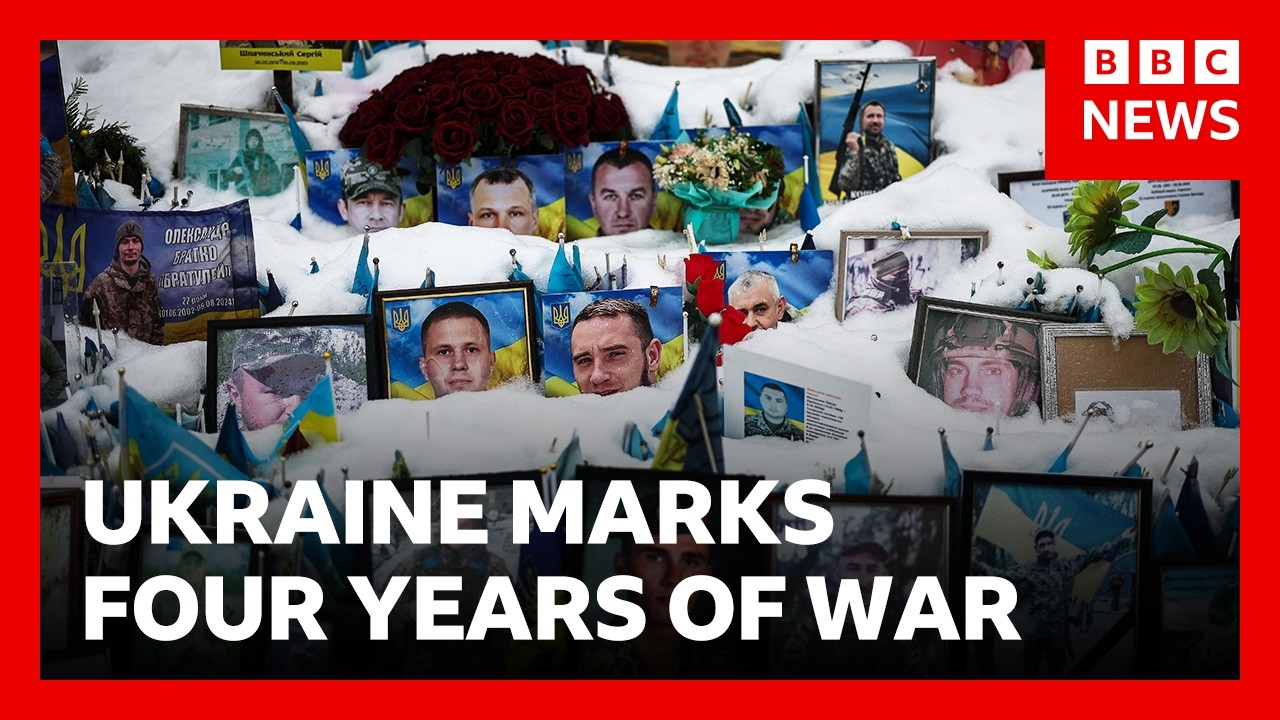
As we journey eastward toward Donetsk, the landscapes become a testament to the brutal exchanges of this conflict. Over four years, Ukrainian defenses have exacted a steep toll on Russian forces, claiming thousands of lives in a struggle against a methodically slow advance. Currently, Ukraine retains control over 20% of the region, despite Russia’s encroachments.
Strategically, the Ukrainian military has fortified its defenses by covering main roads with netting to thwart drone attacks—drones that have emerged as the most lethal weapons on both sides of this war. These measures reveal not just desperation, but a well-organized pushback against the aggressor. Yet, the looming specter of compromise remains. President Putin demands Ukrainian land as a condition for any ceasefire, seeking a retreat without resistance.
In Sloviansk, a town marred by the scars of conflict, sentiments run high against capitulation. Residents like Alex Yukov and Ole Tachenko convey a stark message: yielding land for peace is tantamount to surrendering one’s dignity. Ole, a local minister, articulates the gravity of such a choice, paralleling it to a man demanding a daughter in exchange for safety—a chilling analogy that resonates deeply with the populace. "We all know who the maniacs are," he states, underscoring the persistent fear of further loss and betrayal should Ukrainians acquiesce to Russian demands.
As winter sets in, Ukrainian resolve is further tested. Residents minimize their time exposed to the elements, fully aware of the ever-present threat of drone attacks. Among those still in town, a sense of community persists, steeped in the hope that Sloviansk can be a formidable bulwark against encroaching aggressors. The terrain, understood as the last defensible high ground before vast expanses of flat land, signals the strategic importance of their resistance.
With both sides employing sophisticated drone warfare tactics, the conflict here is markedly different from traditional battles. Ukrainian forces utilize cutting-edge software to coordinate data from drones flooding the skies, a battlefield where technology dictates survival. The kill zones now extend dangerously close, leaving little room for error as controllers guide ground troops through the ruins.
The overarching consequences of this brutal confrontation extend far beyond Ukraine’s borders. The war has shattered long-held assumptions about security in Europe, forcing an reevaluation of military strategies. As fears grow about future conflicts, European leaders grapple with the reality that the continent is facing its most perilous period since the Cold War.
Every day, civilians in Donetsk are evacuated; it is a painful testament to the shifting realities of life amidst conflict. Those who once awoke in familiar surroundings are being uprooted, their futures uncertain. The railway workers labor diligently to repair lines after drone strikes, but many routes remain perilous—no longer operational.
In wrapping up, the tale unfolding in Eastern Ukraine is one of resilience amid devastation. As war shapes lives irreparably, the looming questions of how to navigate this turbulent landscape remain unanswered. Will this relentless struggle yield a resolution in the year ahead? The political stakes are higher than ever, and the specter of uncertainty looms large over a region caught in the chaos of warfare. For now, the Ukrainian spirit remains unyielding, and the resolve of its people serves as a formidable force against the tide of aggression.