A Significant Political Shift: Australia Weighs in on Royal Succession
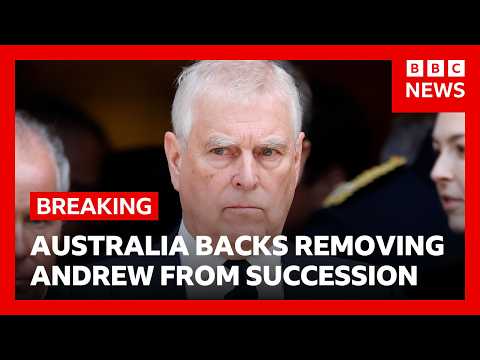
In a remarkable turn of events, Australian Prime Minister Anthony Albanese has officially communicated his government’s willingness to support any proposal for removing Andrew Mountbatten Windsor from the line of royal succession. This development comes on the heels of grave allegations surrounding Andrew, prompting Albanese to affirm in a recent letter to UK Prime Minister Keir Starmer, “The law must now take its full course and there must be a full, fair, and proper investigation.”
The implications of this communication extend far beyond Australian shores, highlighting the delicate balance of authority and influence within the Commonwealth realms. As one of the principal member nations, Australia’s consent plays a crucial role in any parliamentary measures aimed at altering the succession line. The repercussions of Andrew’s alleged misconduct resonate with the sensitivities of the public and parliamentarians alike, thereby intensifying the call for transparency and accountability.
The Context of Allegations
The backdrop to this political maneuver is rooted in serious allegations facing Andrew Mountbatten Windsor, whose role as a public figure has become increasingly controversial. The judgment of public institutions and the credibility of the monarchy are at stake as scrutiny mounts in both the UK and Australia. Public sentiment on allegations of this nature is typically robust, making the Australian Prime Minister’s statement a significant moment in a complex narrative.
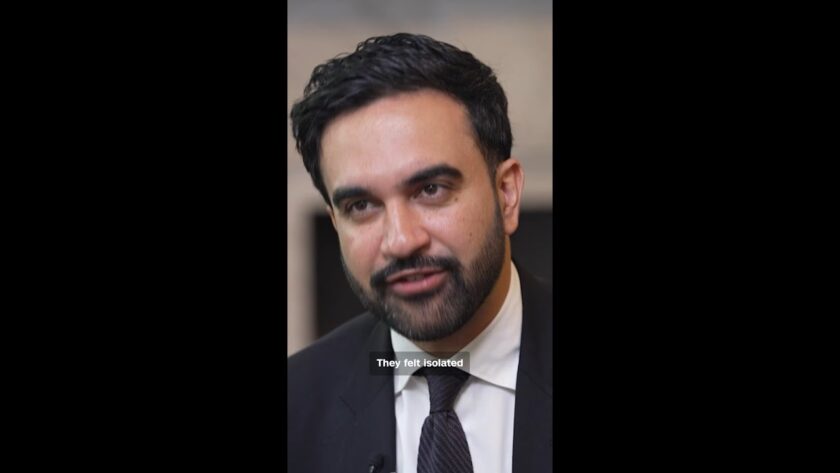
Patrick Baker, host of the Politico podcast Westminster Insider, emphasized the importance of this development against the backdrop of British Parliament’s recent return from recess. “We already know that the government is planning to introduce an act of parliament concerning Andrew’s succession,” said Baker. This move signifies a potential shift in political dynamics, as calls for a formal response from British lawmakers grow louder.
Response from British Parliament
As the ramifications of Australia’s position unfold, the British Parliament faces pressure to deliberate on its role in this ongoing saga. Baker remarked that parliamentary culture traditionally limits casual discussion about royal affairs, rendering recent calls for formal debates more complicated. Nonetheless, there is evident desire among certain factions, particularly the Liberal Democrats, to elevate the issue to a public forum.
Their proposed “opposition day debate” aims to scrutinize Andrew’s activities during his tenure as a trade envoy, offering a structured environment to address recent revelations. This move could pave the way for further inquiry into the broader implications of his conduct and duties, especially in light of ongoing police investigations.
Investigative Options and Public Inquiry
Discussions around a potential inquiry into Andrew’s role as a trade envoy and the conduct of staff affiliated with the monarchy have initiated widespread dialogue in parliamentary circles. There appears to be significant support for establishing a public inquiry to delve into the intricate network of civil servants, palace staff, and the police protection officers involved.
Baker indicated interest within the Business and Trade Committee to explore the possibility of launching an investigation into Andrew’s activities. “Concerns about prejudicing any ongoing police investigation will weigh heavily on Parliament’s deliberations,” he noted. The landscape is fraught with challenges, but it is clear that lawmakers are increasingly inclined towards accountability.
Former Security Minister Tom Tugendhat has also expressed advocacy for an inquiry that would incorporate a broader range of parliamentary participation, potentially including former judges. This approach aims to ensure a comprehensive examination of the circumstances surrounding Andrew’s alleged transgressions.
Looking Forward
The convergence of political will and public sentiment regarding Andrew Mountbatten Windsor’s place in royal succession presents a moment of potential change for the British monarchy. With Australia expressing its readiness to cooperate in legislation that could alter the royal line, the conversation about accountability and transparency within institutions of power is more pertinent than ever.
As the situation continues to develop, the responses from both the UK Parliament and Commonwealth nations will be pivotal in shaping the future of the monarchy in a modern context. The world watches closely as this narrative evolves, awaiting outcomes that will resonate through history.