US-Iran Tensions: The Military Buildup and Nuclear Negotiations
As tensions escalate in the Middle East, the United States is orchestrating the most significant military buildup in the region since the 2003 invasion of Iraq. A precarious atmosphere surrounds these developments, leaving analysts wondering whether we are on the brink of war or if dialogue in Geneva could yield a breakthrough in US-Iran nuclear negotiations.
Currently taking place in Geneva, high-stakes discussions between US representatives and Iranian officials aim to address not only the contentious nuclear deal but also issues related to Iran’s ballistic missile program and its regional proxies. The backdrop is chillingly familiar, drawing parallels to previous conflicts while signaling a potential turning point in Middle Eastern geopolitics.
The Shadow of Operation Midnight Hammer
To grasp the scope of ongoing negotiations, one must reflect on last summer’s 12-day conflict, dubbed Operation Midnight Hammer. This was primarily focused on targeting Iranian enrichment facilities located at Natanz, Fordow, and Isfahan. The intelligence community indicated that an alarming 440 kilograms of uranium enriched to 60% purity were present at Natanz, demonstrating Iran’s capabilities nearing the threshold of weapons-grade material.
The operation itself employed advanced weaponry such as B2 Spirit stealth bombers and the GBU-57 Massive Ordnance Penetrator, specifically designed to penetrate hardened targets. The implications of such military action cannot be understated. While reports suggest that the operation may have degraded some of Iran’s nuclear capabilities, questions linger about its overall success and long-term effectiveness.
The Current Military Landscape
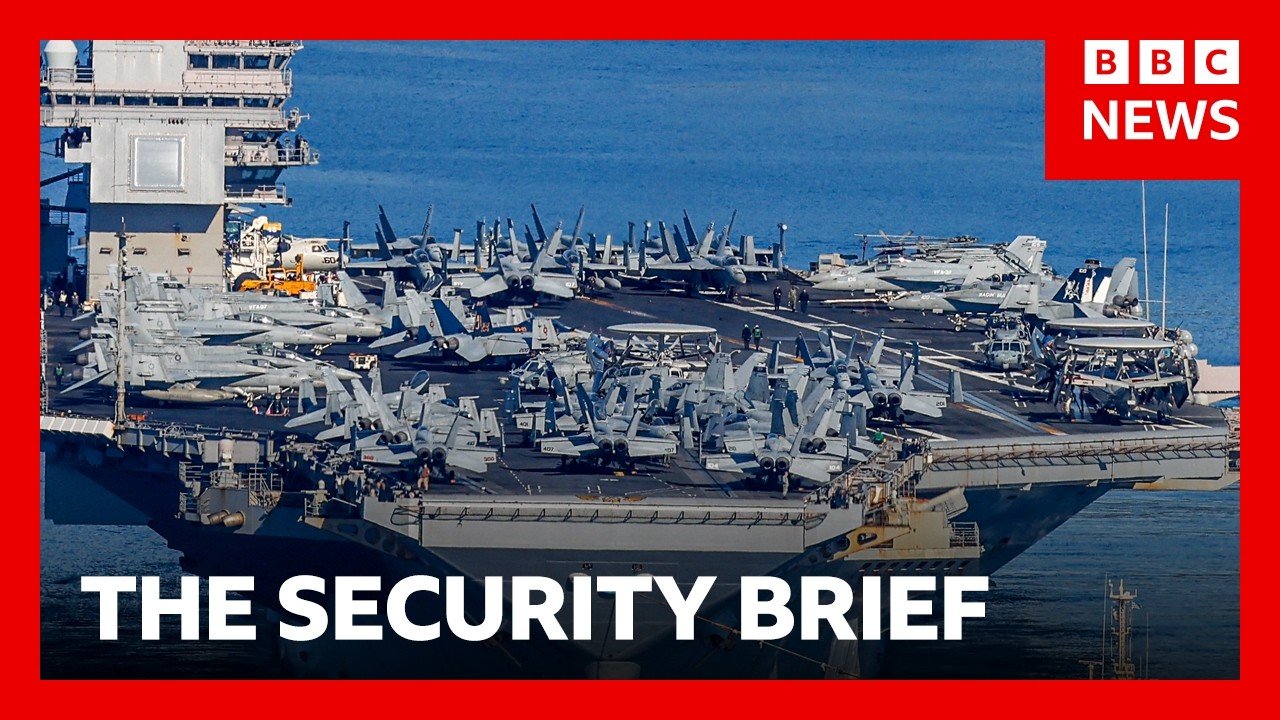
In the present context, the deployment of military assets has reached an unprecedented scale. The presence of two carrier strike groups, including the USS Abraham Lincoln and the USS Gerald Ford, alongside the introduction of 150 fighter jets into the region, paints a picture of military readiness unlike anything seen since the early 2000s. This maneuvering has not gone unnoticed; it serves as both a deterrent and a tactical positioning against Iran.
Yet, while the Iranian regime appears weakened politically, its military capabilities remain formidable. Iran possesses a diverse arsenal, including the largest ballistic missile inventory in the Middle East, coupled with emerging technologies such as hypersonic missiles. As analysts assess threats from Iran’s missile systems, concerns extend to the implications these technologies have for US assets stationed in nearby countries.
Complexities of Negotiation
Amidst these military developments, hopes for a diplomatic resolution are fraught with complications. Both the United States and Iran face significant internal and external pressures while working toward a semblance of compromise. Former President Donald Trump’s previous withdrawal from the Joint Comprehensive Plan of Action (JCPOA) has left a complex legacy and set high stakes for current negotiations.
The challenge is exacerbated by the lack of involvement from key global players. Significant countries that were previously part of the negotiation framework are now absent from the table. This raises pivotal questions about the viability of any new deal and what it must entail to avoid the pitfalls that led to the prior agreement’s collapse.
Strategic Outlook
The strategic calculus for US military leadership involves weighing the ramifications of potential conflict against the uncertain outcomes of negotiation. Not only must the Pentagon prepare for the immediate implications of military action, but it must also consider the long-term geopolitical landscape in the region.
The risk of protracted conflict weighs heavily on decision-makers, especially in light of internal divisions within Iran and the challenges posed by its regional proxies. If military action becomes inevitable, the question arises: How will the US mitigate the destabilizing effects on neighboring countries, especially given their reluctance to provide support for overflights?
A Balancing Act
Both sides have a vested interest in averting full-scale warfare. For Iran, a prolonged conflict poses existential threats, while the US, particularly in the lead-up to midterm elections, may find military engagement politically unpalatable. This creates a unique window for diplomacy, albeit one filled with inherent risks and uncertainties.
As negotiations unfold in Geneva, the world watches closely. The military buildup coupled with diplomatic efforts creates a volatile mix that could lead either to resolution or escalation. The coming weeks may prove decisive, and as history has shown, every choice bears significant consequences in this eternally complex theater.