Scandal Disrupts Ukrainian Leadership: The Arrest of Former Energy Minister German Heroshenko
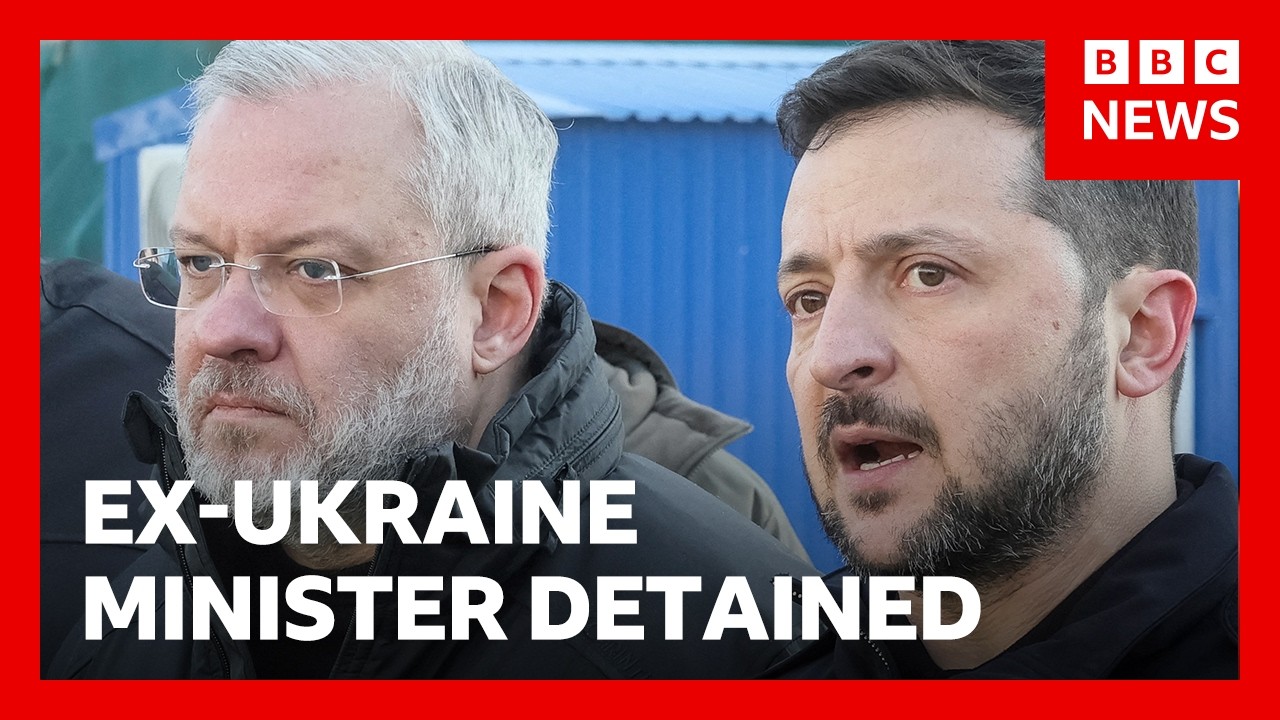
The political landscape in Ukraine is experiencing heightened turmoil following the recent arrest of former energy minister German Heroshenko. His detainment at the border while attempting to leave the country is emblematic of a broader corruption scandal that has shaken the foundations of President Volodymyr Zelensky’s administration. Once hailed for his leadership, Heroshenko’s involvement in an alleged embezzlement scheme has not only jeopardized his own future but also intensified scrutiny from both domestic and international entities.
Heroshenko was a figure of significant import within Ukraine’s energy sector, particularly in relation to the country’s nuclear industry. In November, Ukrainian corruption authorities unveiled a scheme where Heroshenko, along with several other government officials, was implicated in embezzling an estimated $100 million. Reports suggest that this operation involved extensive kickbacks from contractors linked to the nuclear authorities, catalyzing public outrage among Ukrainians who view such actions as a betrayal during a time of national crisis.
Eyewitness accounts describe a scene where bags of cash were allegedly transported across borders, as well as numerous recorded phone conversations revealing the intricate details of the scheme. As winter sets in, the ramifications of this scandal resonate even more deeply. The perception is stark: those responsible for ensuring that homes are heated and electricity flows have been accused of enriching themselves through dishonest means.
On the day of his arrest, Heroshenko was found on a train near the border, presumably seeking escape. His familial connections—including young children believed to be living abroad—complicate an already significant situation. While there are speculations around possible allowances for individual circumstances, authorities made it clear that as someone under investigation, Heroshenko was not permitted to leave the country. He is now expected back in Kyiv as investigations continue.
The scandal invokes a larger narrative of corruption entrenched within Ukraine’s governance. Many citizens are outraged not merely at Heroshenko’s actions but at a long-standing culture of corruption that has persisted at the highest echelons of power. However, the notion that this incident might pressure President Zelensky to hold elections—a proposition being discussed among political circles, particularly in Washington—has not garnered favorable reception among Ukrainians.
Indeed, there is significant skepticism regarding the alignment of Western political interests with Ukrainian realities. The abstract idea that Ukraine could engage in meaningful elections amidst an ongoing war is viewed as impractical, if not absurd. The last time Ukrainians had a chance to vote freely was under vastly different circumstances—during the September 2022 referendum forced by Russian occupation. Thus, the idea of holding elections while millions remain under duress is, for many, a stark reminder of the challenges inherent in the current geopolitical landscape.
Zelensky himself has acknowledged the pressure but has asserted that no significant portion of the populace supports the idea of elections during wartime. He remarked at the Munich Security Conference that if the U.S. were to advocate for such elections, it would only be considered under conditions of substantial ceasefire and mechanisms for free and fair voting. This statement reflects a balancing act: the necessity to heed external pressures against the backdrop of internal stability and national solidarity.
As Ukraine continues to grapple with its war-torn reality, the arrest of Heroshenko highlights not just individual wrongdoing but a systemic issue that requires introspection and reform. The unfolding events serve as a crucial reminder of the delicate intersection between governance, public trust, and international influence during times of crisis. The path forward remains fraught with challenges, and the stakes have never been higher.