The Unprecedented Arrest of Andrew Mountbatten Windsor: Legal and Monarchical Implications
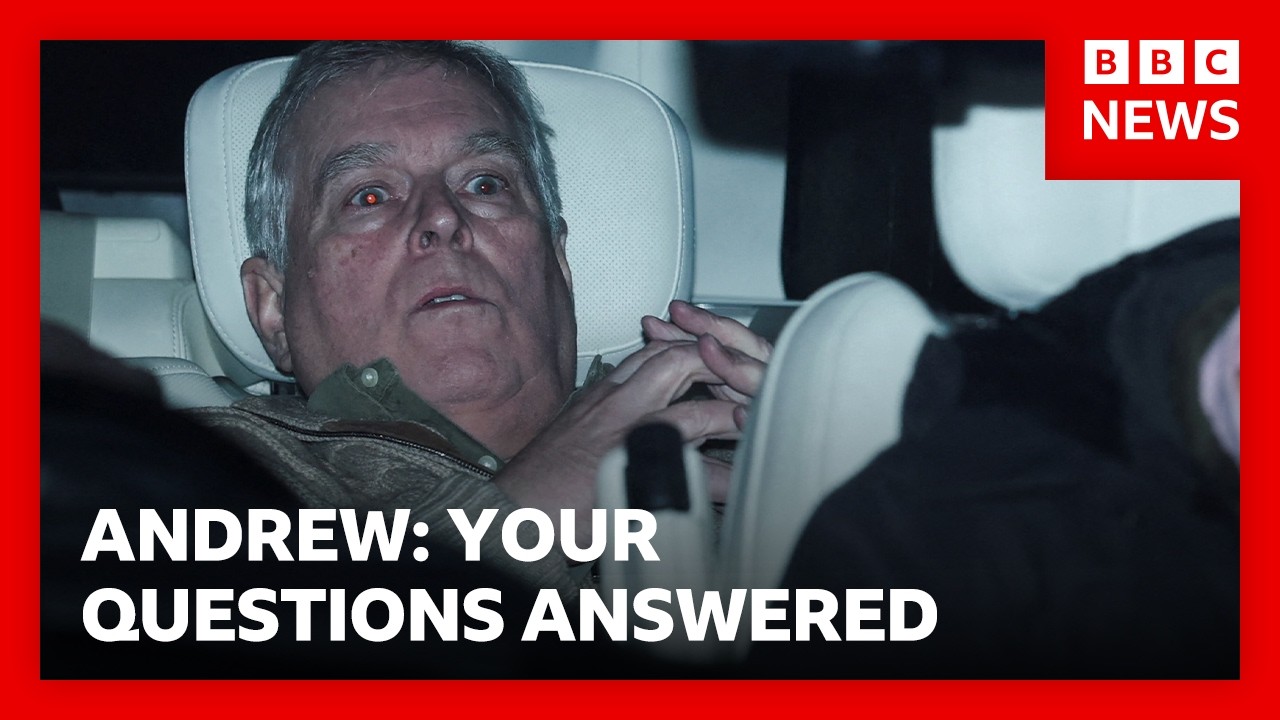
In a historic turn of events, Andrew Mountbatten Windsor has become the first senior member of the British royal family to be arrested in almost 400 years. Suspected of misconduct in public office, this incident has sparked considerable media coverage and public curiosity. To further analyze the implications of this development, legal commentator Joshua Rosenberg and royal correspondent Helena Wilkinson have offered insights into the ongoing police investigation and its potential ramifications.
Understanding the Investigation
Released under police investigation, Andrew is currently not facing any formal charges. Rosenberg explains that being "released under investigation" implies the police have not yet gathered sufficient evidence to bring forward a case, a process that might take several months. They will sift through a substantial amount of documentation from past years, which could reach back to his tenure as a trade envoy. This diligence is crucial, given the complexities surrounding the charge of misconduct in public office.
Misconduct in public office lacks clear statutory definition; rather, it has evolved through judicial interpretation over time. This ambiguity may complicate the investigation. Rosenberg elaborated that the central question is whether Andrew willfully neglected his duties or abused the public’s trust, a subjective measure that is fraught with potential defenses. Therefore, until the police complete their investigation and consult the Crown Prosecution Service, the timeline for any charges remains uncertain.
A Dive into History
Wilkinson stresses the unprecedented nature of Andrew’s arrest. Historically, the royal family has maintained a privileged status, insulated from such legal scrutiny. The last royal arrest occurred in 1647, when King Charles I was charged with treason during the English Civil War—an event vastly different in context and significance.
This modern-day arrest raises questions not only about Andrew’s future but also about the monarchy’s long-term stability. Although Andrew was stripped of many royal titles last year, he remains eighth in line for the throne. Any efforts to remove him from the line of succession would require parliamentary legislation and consensus among Commonwealth realms, complicating the matter further.
Public Opinion and Future Implications
Pandora Foresight, a royal commentator, posits that, while the monarchy is not in imminent danger of collapse, this incident places it under intense scrutiny. The King has attempted to distance the royal family from the controversy surrounding Andrew, but the fallout is likely to persist. Public perception of the monarchy could shift significantly based on how the family handles this situation moving forward.
Public opinion polls following the arrest have indicated a mixture of curiosity and concern regarding the monarchy’s future, though it remains too early to measure lasting impact. The episode draws renewed attention to the broader issues of accountability within the royal family and the public’s evolving expectations.
Implications for Andrew’s Family
Andrew’s arrest also poses emotional and reputational challenges for his children. As they navigate their roles within the royal family, the impact of their father’s legal troubles will likely cast a shadow over their activities. While they remain princesses and hold their own responsibilities, distancing from their father’s controversies may become a priority for them, especially given King Charles’s desire for a more streamlined monarchy.
Backward-looking scrutiny regarding any prior knowledge of Andrew’s actions by senior royals, including the King, will continue to garner attention. The legitimacy of the monarchy is under observation, not only due to Andrew’s personal missteps but also because it raises systemic questions about transparency and accountability.
Conclusion
The arrest of Andrew Mountbatten Windsor marks a pivotal moment in royal history that intertwines legal intricacies with royal legacy. While the immediate implications remain uncertain, the legal proceedings may serve as a critical touchstone for public sentiment toward the monarchy. The royal family’s actions in the coming months will be instrumental, not just for their reputation but for defining the monarchy’s place in contemporary society. As this story unfolds, all eyes will remain fixed on both legal developments and the potential reshaping of royal roles in light of Andrew’s situation.