The Death of Alexei Navalny: A Stark Reminder of Political Conflict and Chemical Warfare
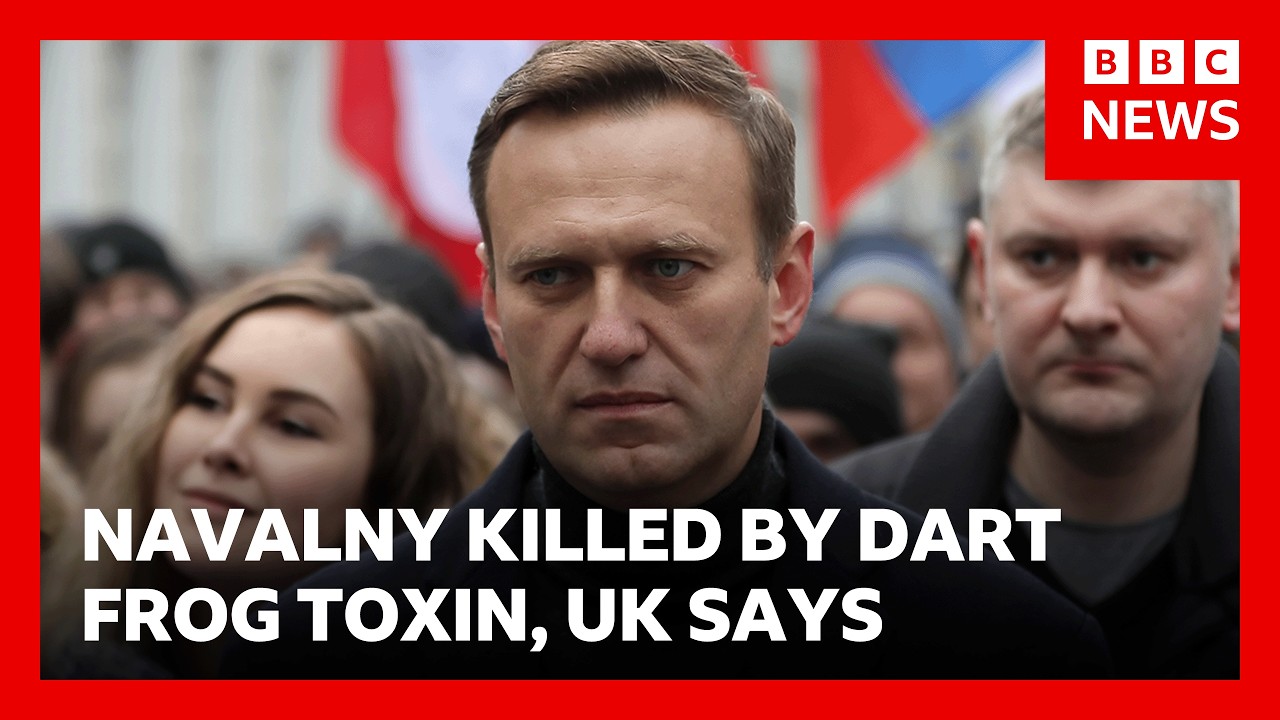
Two years ago, Alexei Navalny, a prominent Russian dissident, was pronounced dead while imprisoned in a penal colony. His untimely demise has since raised serious questions regarding the lengths to which state actors may go to silence dissent. Now, a joint statement from several European nations, including the UK, France, the Netherlands, Germany, and Sweden, has shed light on the chilling circumstances surrounding his death. According to their findings, traces of a lethal toxin, believed to be derived from the skin of Ecuadorian poison dart frogs, were discovered in samples taken from Navalny’s body.
Navalny, a well-known critic of the Kremlin, spearheaded an anti-corruption campaign that exposed extensive misdeeds within the Russian government. As tensions escalated between Russia and the West, Navalny’s visibility heightened him as a target for government reprisals. The assertion by European officials that epibatadine, the toxin identified, is not native to Russia but rather indigenous to South American flora strongly implicates state-sponsored involvement. In essence, the only plausible explanation for how the toxin reached Siberia is that a deliberate act led to its administration.
The joint statement by the European governments underscored the urgency of holding Russia accountable for its breaches of the Chemical Weapons Convention and the Biological and Toxins Weapons Convention. The resurfacing of Navalny’s case, alongside past incidents such as the Novichok poisonings in 2018, has heightened international concern regarding Russia’s apparent disregard for accepted norms and regulations concerning chemical agents.
Joe Inwood, a world affairs correspondent, analyzed the situation, emphasizing how the analysis of Navalny’s body yielded expected results. While the Kremlin had contended that his death was due to natural causes, many observers have long been skeptical of such claims. Previous patterns of behavior exhibited by the Russian state have made it difficult to accept official narratives. The presence of epibatadine lends itself to a narrative that many in the international community already believe to be true—that the Kremlin employs lethal means to eliminate opposition.
The implications of these findings extend far beyond the tragic end of a single individual. They speak volumes about the current climate for dissent in Russia, where voices of opposition face increasing risks. Navalny was not merely a singular opposition figure; he became a symbol of resistance against corruption and authoritarianism, generating significant public support both within Russia and abroad. As British Foreign Secretary Yvette Cooper noted, the Kremlin perceived him as a considerable threat, prompting drastic measures to neutralize his influence.
Navalny’s anti-corruption foundation highlighted the vast wealth amassed by Russian leaders, particularly President Vladimir Putin. Investigations into the extravagant lifestyles of the ruling elite publicly challenged the Kremlin, exposing vast discrepancies in wealth while ordinary citizens grappled with economic hardship. This dynamic considerably alarmed those in power, further solidifying Navalny’s status as a target.
The gravity of this situation should not be underestimated. The findings by European officials have broader implications for international relations, particularly with regard to how nations respond to state-sponsored acts of violence against dissidents. Countries around the world are now being pressed to re-examine their diplomatic stances towards Russia in light of these developments. It places additional pressure on international governing bodies to take decisive action against violations of treaties concerning chemical and biological weapons.
In summation, the tragic death of Alexei Navalny is more than just the loss of a political opponent; it is a stark reminder of the dangers faced by those who challenge authoritarian regimes. As investigations continue and revelations emerge, the global community must confront the reality of this crisis and leverage its collective power to ensure accountability and safeguard the rights of individuals standing up against oppression. The call for justice is not just for Navalny but echoes throughout the world, urging a commitment to fundamental human rights and the rule of law.