Iran and the U.S.: Navigating the Nuclear Negotiations Amid Crises
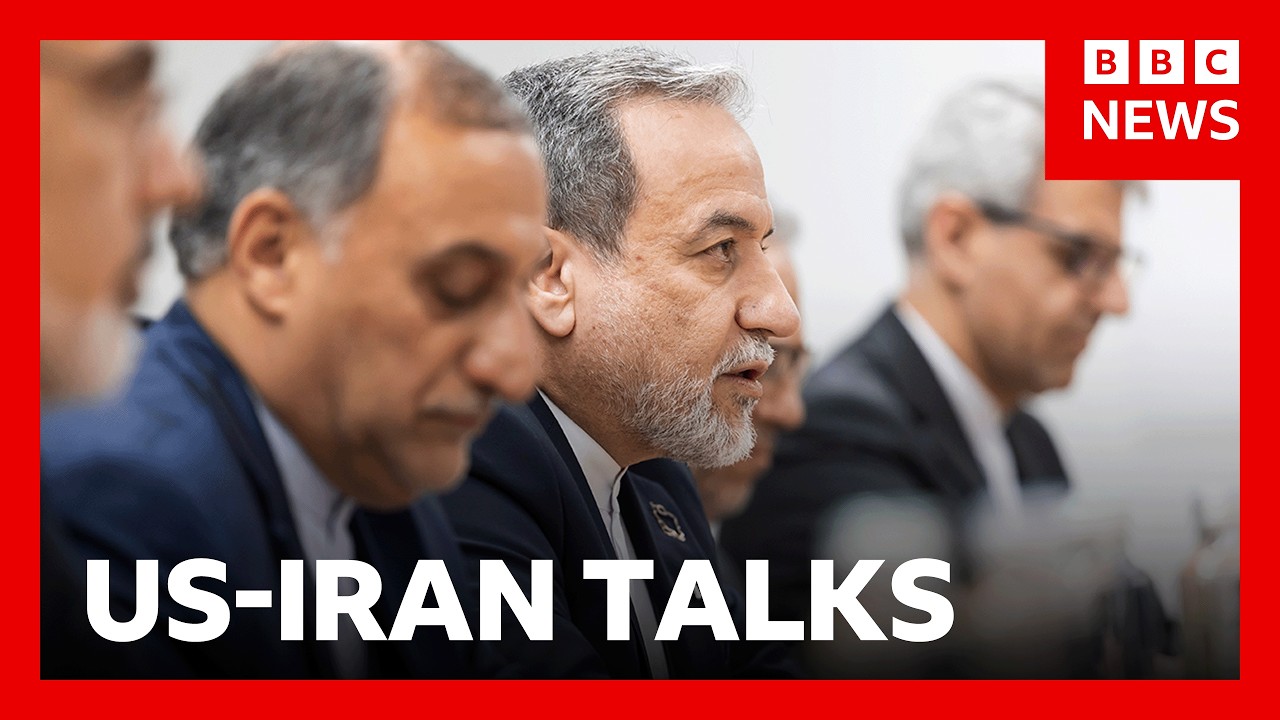
In the wake of indirect negotiations between Iran and the United States held in Geneva, both sides have reached a tentative agreement on a set of guiding principles concerning Tehran’s nuclear program. This development comes against a backdrop of rising tensions, especially given President Trump’s earlier threats of military action in response to Iran’s nuclear activities and its recent crackdown on anti-government protests.
Iran’s foreign minister characterized the recent talks as constructive, yet he called on the U.S. to de-escalate its military threats. Emphasizing the tension, he asserted, “The United States and some European states persist in the imposition of unlawful sanctions and military posturing.” Such statements reflect Iran’s precarious position as the prospect of military intervention looms over the diplomatic dialogue.
The nuanced nature of the discussions reveals both optimism and caution. Iranian officials believe that there may be another round of talks, even if the timing and location remain unclear. The Iranian foreign minister noted that while the atmosphere was more positive, the existing differences between the two nations are significant enough to require extensive negotiation. However, it’s critical to recognize that any diplomatic progress occurs under the shadow of a potential military escalation, with reports of increased U.S. military assets being deployed to the region.
Amid these geopolitical maneuvers, there are pressing human rights concerns within Iran itself. Mahmud Amari Mogadam, director of an organization focused on human rights in Iran, expressed deep alarm over the ongoing crackdown on dissent following recent protests. He pointed out that the Iranian regime appears to be prioritizing a path of violence and fear to suppress further unrest. The aftermath of the protests has led to widespread reports of executions, short trials, and the sentencing of numerous individuals to death. According to Mogadam, the regime’s strategy seems aimed at instilling a deep sense of fear among the populace, dissuading any aspirations for change.
Recent protests continue to simmer beneath the surface, despite the regime’s efforts to stifle dissent. Celebratory gatherings held 40 days after the mass killing of protesters have sparked renewed individual demonstrations in various regions. Despite government attempts to block these gatherings, chants against the regime have erupted, signifying that the desire for change persists among Iranian citizens. The regime’s attempts to silence protests have included closing cemeteries and detaining individuals involved in organizing commemorative ceremonies, illustrating an environment increasingly hostile to public dissent.
The concern voiced by Mogadam underscores a critical point: any negotiations between the U.S. and Iran must address accountability for human rights abuses, particularly those related to the recent violence against protesters. As Iran’s regime remains entrenched in a cycle of repression, the dialogue on the nuclear issue cannot ignore the humanitarian crisis unfolding domestically.
Moreover, the Iranian regime’s resilience in facing protests can perhaps be attributed to its methods of rule, which rely heavily on terror and suppression. The high number of death sentences and public confessions on state media serve as instruments of intimidation. This oppressive atmosphere reflects a regime under siege, yet unwilling to concede power or reform.
The upcoming negotiations are not simply about nuclear ambitions; they represent a crossroads for the Iranian populace yearning for reform within a regime reluctant to relinquish control. As the international community watches closely, the U.S. must weigh its options carefully. Will it choose to engage with a regime marked by blatant human rights abuses while seeking diplomatic solutions to security concerns? That decision will play a pivotal role in shaping Iran’s future, both on the world stage and within its own borders.
As the international dialogue unfolds, only time will tell whether these negotiations can pave the way for a resolution to both the nuclear crisis and the significant human rights challenges facing the Iranian people. The stakes are undeniably high, and the consequences of inaction could reverberate far beyond the borders of Iran.