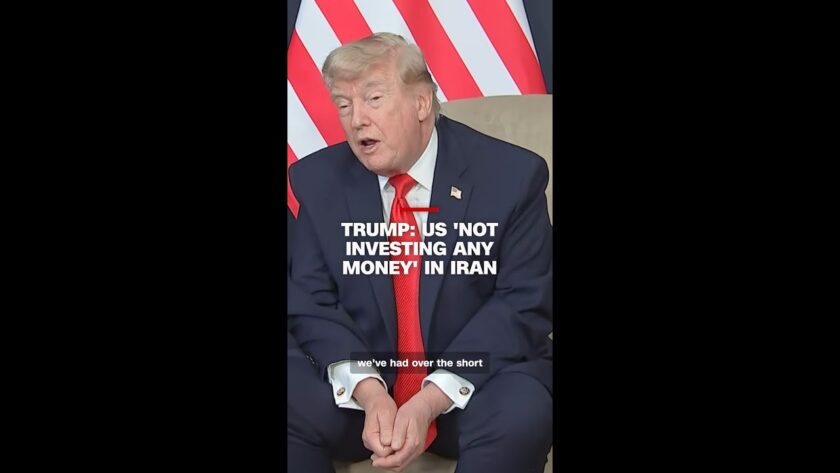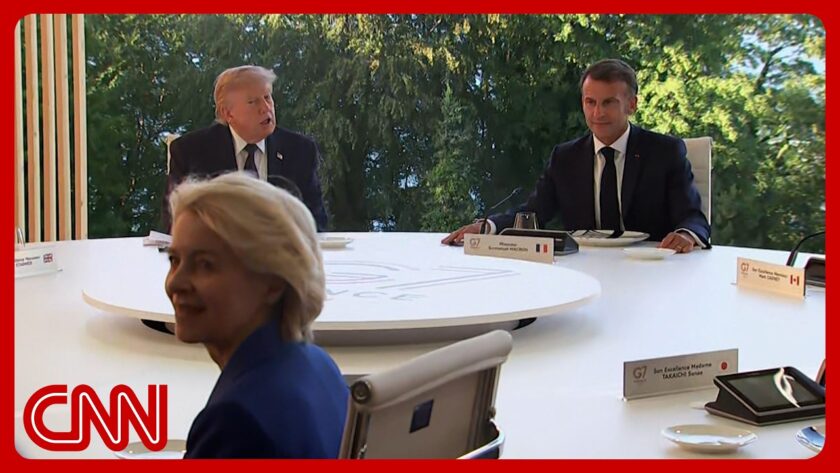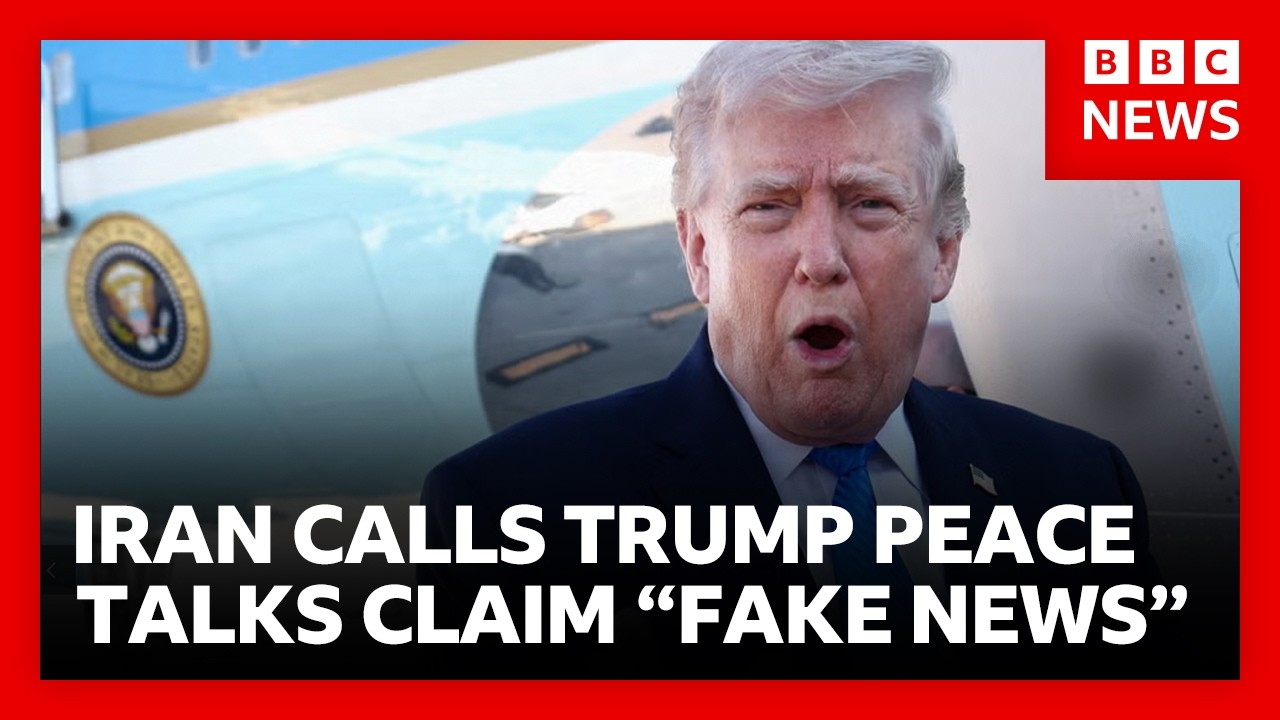
In a dramatic shift from his prior stance, Donald Trump announced that the United States has engaged in discussions with a key figure in Iran, suggesting that Tehran is open to negotiations. This unexpected overture grants a brief respite from Trump’s previously articulated threats to target Iranian energy infrastructure. However, Iranian officials have denied that any such talks exist, leaving the validity of Trump’s claims in question.
Just days earlier, Trump had threatened to “obliterate” Iran’s power plants unless the crucial Strait of Hormuz was reopened by midnight. This threat sent shockwaves through global markets, temporarily inflating oil prices and creating a significant backlash in stock exchanges. The Iranian parliament’s leader even speculated that misinformation, or “fake news,” was being deployed to influence oil prices, reflecting a growing skepticism regarding the U.S. narrative.
As tensions escalated, the day began with the U.S. asserting threats against Iran’s civilian targets. An abrupt change in tone emerged as Trump prepared to depart on Air Force One. He claimed productive conversations with Iranian representatives had occurred, suggesting a desire for a deal that would avert further conflict. “They called, I didn’t call,” he stated, emphasizing the onus was on Iran to reach a resolution. He outlined a vision that included shared control over oil flow, a concept fraught with ambiguities.
However, amid these new developments, the threat of military action lingered. Trump warned that should the negotiations falter, military actions would resume. His comments, though feigning optimism, highlighted the precarious nature of the situation. As markets opened in the U.S., investors reacted swiftly; stocks prices rebounded while oil prices initially dropped, reflecting a tentative optimism about the potential for diplomacy.
This juxtaposition of rhetoric raises questions about the substance of the purported talks and the motivations behind them. Observers have begun to speculate on the accuracy of Trump’s claims, particularly in light of the strained history of U.S.-Iran relations. Diplomatic correspondent James Landell noted the stark contrast between the U.S. and Iranian narratives, emphasizing a prevailing mistrust that underscores any potential negotiations. The complexities of Iranian nuclear capabilities, regional alliances such as Hezbollah, and the ongoing threat in the Strait of Hormuz contribute to an intricate web of issues facing both nations.
Further complicating the geopolitical landscape, U.S. strategies often appear reactive rather than proactive, reflecting a rendition of past presidents’ approaches to conflict resolution in the Middle East. Gary O’Donahue from Washington indicated that Trump’s realization of the situation’s gravity contrasts sharply with his earlier assertions encouraging regime change in Iran. The lack of a clear and cohesive exit strategy raises the specter of continuing conflict, akin to quagmires faced by previous administrations.
In the UK, Prime Minister Rishi Sunak echoed the need for caution, advising that the war may persist for longer than anticipated. The economic ramifications are clear; consumers have already begun to feel the pinch. The government is reportedly gearing up to provide targeted support to households grappling with rising costs, drawing lessons from past crises.
As the global community watches these developments unfold, the volatility of oil prices serves as an indicator of broader market anxieties when geopolitical tensions rise. Market analyst Fisel Islam commented on the chaotic oscillations of stock and oil prices, confirming that uncertainty reigns supreme in an environment marked by conflicting narratives.
With civilian casualties rising in Iran amid ongoing tensions, the humanitarian implications of these international disputes are becoming increasingly dire. Reports from the region indicate that airstrikes have claimed numerous lives and caused severe infrastructural damage, inundating the healthcare system with challenges. These sobering realities remind us that wars—while often initiated with swift military objectives—are laden with complex human costs that complicate the road to peace.
In conclusion, the evolving dialogue, fraught with contradictions and tensions, encapsulates the current state of U.S.-Iran relations. As the world awaits further developments, the intertwined fates of diplomacy, economic stability, and civilian welfare hang in the balance. Navigating this complex landscape will demand astute leadership, nuanced understanding, and a commitment to transparency on both sides.