Escalating Tensions: The Global Economic Impact of the Iran-Israel Conflict
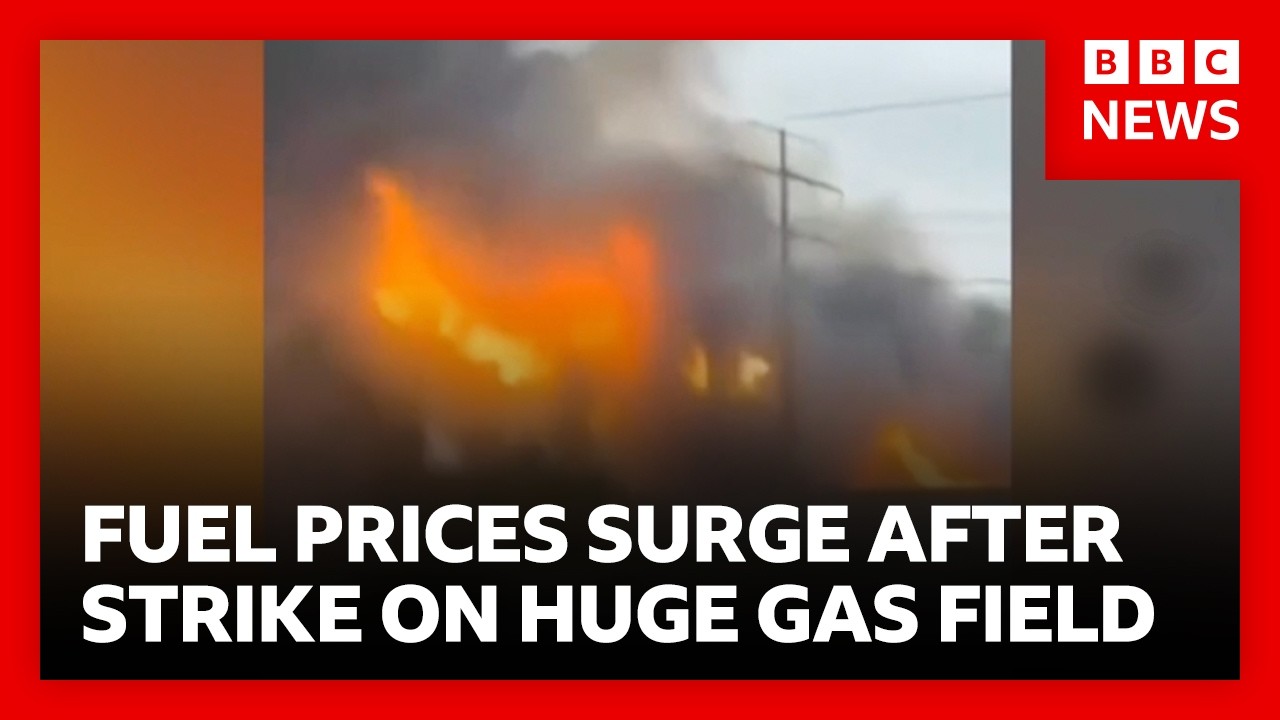
The ongoing conflict in the Middle East has intensified dramatically, with far-reaching consequences for global economies. Following a reported attack by Israel on Iran’s largest natural gas field, the geopolitical landscape has shifted, raising serious concerns about energy prices worldwide. This article delves into the ramifications of these recent developments.
Reports indicate that Israel targeted a significant energy facility shared with Iran, an act condemned by Tehran as "dangerous and irresponsible." In retaliation, Iran recently launched missiles at critical infrastructure in Qatar and has threatened further strikes on Saudi Arabia and the United Arab Emirates. This escalation could potentially destabilize the already precarious global energy market.
The situation has resulted in an immediate spike in oil prices, which are soaring nearly 50% above levels before the conflict began. For many countries, including the UK, this poses a troubling challenge. Current market conditions suggest that while the UK produces a considerable amount of its oil and gas domestically, the surge in global prices could lead to steep increases in fuel costs. Motorists are already feeling the pinch, with petrol prices rising by 10 pence per liter and diesel by 20 pence. Economic experts predict that these increases may just be the beginning, as energy prices remain volatile.
The economic ramifications extend beyond mere fuel costs. The U.S. Central Bank has indicated that the ongoing conflict could result in a modest rise in inflation. Meanwhile, the Bank of England appears poised to reevaluate its projected decline in inflation, potentially jeopardizing future interest rate cuts. The chilling effect of increased borrowing costs could affect millions, particularly homeowners and renters, who might find mortgage rates climbing amidst the conflict.
This volatile environment is compounded by the tragic human costs of the war itself. In Iran, crowds have turned out to mourn the death of security chief Ali Larijani, reflecting the national grief and anger provoked by recent airstrikes. Such sentiments have been echoed in both Iran and Israel, where civilian lives are increasingly caught in the crossfire. The humanitarian toll is becoming an impossible metric to ignore, raising difficult questions about military strategies that target infrastructure while claiming civilian safety.
As military actions intensify, casualties have mounted. Recent airstrikes in Beirut, targeting not only Hezbollah strongholds but also civilian infrastructure, have killed numerous individuals, deepening resentment and despair within local populations. Reports reveal that residents are grappling with trauma as they navigate the risks of daily life. For many, even traditional evening gatherings are now marred by the threat of violence.
In light of these developments, the potential for increased conflict looms large. The international community must pay close attention to the broader implications of these military actions. Countries dependent on Middle Eastern energy resources are particularly vulnerable; their economies could be disrupted by the cascading effects of rising energy prices and inflation.
Furthermore, at a time when diplomatic channels are essential for maintaining stability, the striking of military targets raises questions about international response and the potential for a broader conflict. As nations scramble to secure alternative energy supplies, the interconnectedness of global markets starkly reveals how one regional conflict can ripple across the globe.
Amid this turmoil, it’s crucial to recognize that every decision made in the theaters of conflict echoes far beyond their immediate borders. Policymakers must grapple with the dual challenge of mitigating economic fallout while also addressing the urgent humanitarian crisis facing civilians caught in the crossfire.
In conclusion, the escalating hostilities between Iran and Israel are not only a matter of geopolitical importance but also a pressing economic concern. As the situation evolves, it is imperative for leaders worldwide to navigate these turbulent waters with foresight and resolve, ensuring that energy stability and human safety remain at the forefront of international discourse.