Airport Chaos Amid Government Shutdown: TSA Workers Bear the Burden
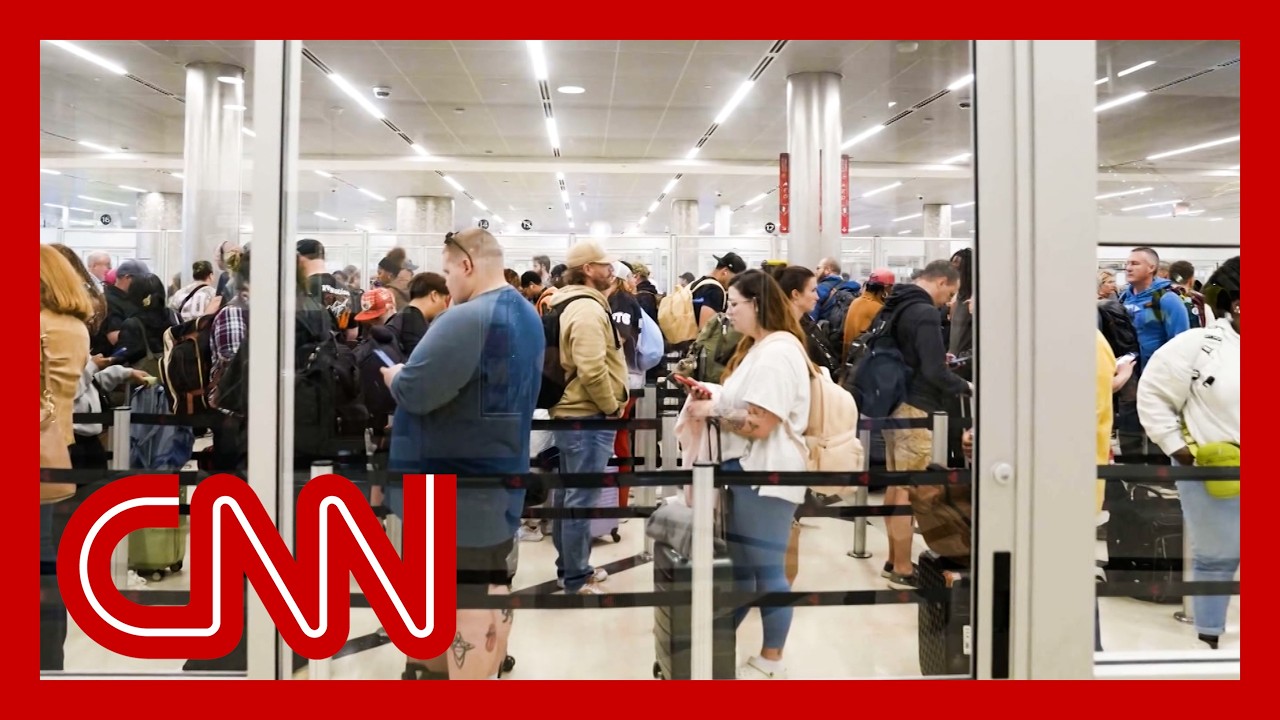
As travelers navigate airport terminals worldwide, many are met with frustration due to lengthy security wait times, a direct consequence of the ongoing government shutdown. Security personnel at Transportation Security Administration (TSA) checkpoints, already stretched thin, face mounting pressures as staffing shortages hinder their ability to manage passenger flow efficiently.
The current situation is compounded by the fact that TSA workers are enduring financial hardship. Many agents have missed their second paycheck amid this month-long partial government shutdown. As a result, anxiety levels are high among TSA personnel, culminating in more than 300 employee resignations, according to reports from the Transportation Secretary.
“What we are experiencing now is drastically different from the previous shutdown,” says Johnny Jones, secretary treasurer of the American Federation of Government Employees TSA Council 100. “This time, the proximity to the last shutdown means resources are depleted. Our officers are fed up and just want some consistency back in their lives.”
While social media often captures the public’s ire over long lines, the real crisis lies beneath the surface. With TSA agents making an average salary of around $35,000—often living paycheck to paycheck—the financial strain is palpable. Many have resorted to borrowing money, selling possessions at a loss, or struggling to cover basic expenses like childcare and fuel. It’s a stark illustration of how policy decisions ripple down to affect daily lives.
In Atlanta, one of the busiest airports in the U.S., passengers expressed disbelief at the lines forming at TSA checkpoints. Travelers reported waiting for over an hour to check bags—a process typically requiring only a few minutes. “It was ridiculously frustrating,” one traveler lamented. “And the agents—they aren’t to blame. They’re working without pay, but that doesn’t make the wait any easier for us.”
At the same time, creative solutions are surfacing in response to this crisis. Denver International Airport has initiated efforts to support TSA workers through community donations of gas and grocery gift cards. This proactive approach emerged from lessons learned during past shutdowns, reflecting an understanding of the need for flexible support for workers struggling to make ends meet.
Moreover, airports nationwide are experiencing similar challenges in managing passenger flows. Reports have noted a surge in international flight cancellations and travelers missing connections. While some airports, like Denver, are reporting relatively short wait times at TSA checkpoints, the situation remains fluid. “It’s a day-by-day scenario,” acknowledged Michael Konopasic, spokesperson for Denver International Airport.
Lawmakers in Washington must now confront the human cost of their legislative stalemates. Both Democrats and Republicans are at a standstill over Homeland Security funding, leading to substantial impacts on TSA operations and, by extension, on the traveling public. “Officers blame both parties,” Jones states. “We are tired of being political pawns in their games.”
As the shutdown drags on, there are fears that the number of TSA agents resigning will further escalate. “If this continues, we might see many more officers leave or call in sick,” Jones warned. The ripple effects would be profound: longer lines, greater delays, and increased pressure on an already beleaguered workforce.
For those caught in the fray, there are few signs of relief. Airports are doing what they can—giving away food and providing support systems for their workers—but such measures cannot substitute for the systemic changes needed in Washington. As the crisis unfolds, one thing is clear: the TSA workforce deserves more than makeshift solutions and public sympathy—they require immediate, sustainable support to navigate these turbulent times.
The travel experience, once a routine aspect of life, has transformed into a complex and often frustrating ordeal for many. If meaningful resolutions are not achieved soon, both travelers and TSA workers will continue to bear the brunt of policy failures, ultimately affecting the broader landscape of air travel across the nation.