Escalating Tensions: U.S.-Iran Negotiations and Regional Stability
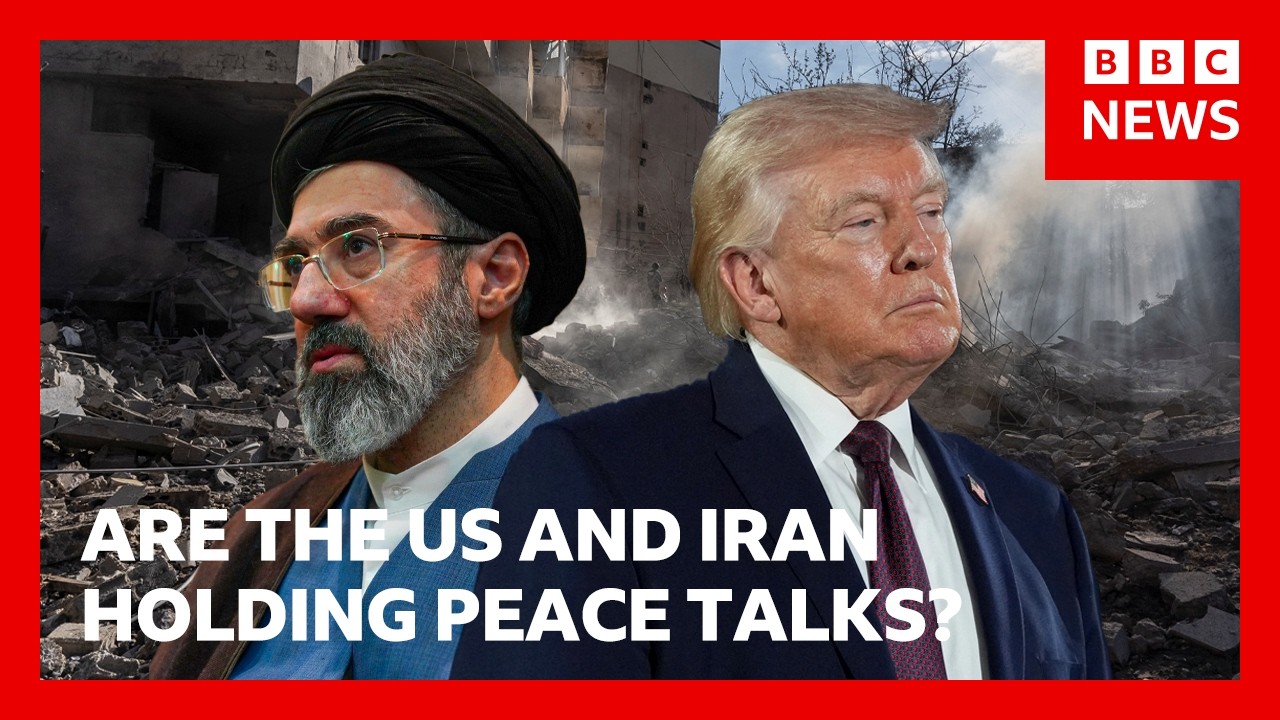
In a tense geopolitical landscape, U.S.-Iran relations remain fraught with complexities that are heightening the stakes for both nations and their allies. President Trump recently asserted that Iran is negotiating with the United States but is too fearful to acknowledge these talks publicly. This statement has been met with strong rebuttal from Iranian officials, who interpret U.S. overtures as a sign of weakness.
Iranian Foreign Minister Abbas Arachi proclaimed that Trump’s willingness to engage in discussions, particularly without demanding unconditional surrender, reflects an admission of defeat on the part of the U.S. regime. In this context, Iran has proposed a five-point plan that outlines its conditions for ending hostilities. Among its stipulations, Arachi emphasizes the need for an end to U.S. and Israeli strikes as well as a framework to ensure that the conflict does not reignite. Moreover, the Iranian plan seeks reparations for war damages and asserts Iran’s right to govern the strategic Strait of Hormuz, a pivotal maritime channel controlling a significant portion of the world’s oil supply.
On the American side, Trump’s comments came during a fundraising event in Washington, where he maintained that Iranian leaders desire a deal but refrain from admitting it out of fear for their own safety—both from external pressures and internal dissent. This narrative, however, contrasts sharply with Iran’s steadfast denial of any negotiations, underscoring the stark gap between the two nations’ interpretations of the situation.
The conflict has escalated into a series of military engagements, with thousands of American troops being deployed to the Middle East. The addition of paratroopers from the 82nd Airborne Division raises concerns about a potential U.S. ground assault aiming at key Iranian oil facilities and regions critical to energy supply chains. The situation around the Strait of Hormuz remains precarious, contributing to rising fuel prices and economic repercussions, such as the U.S. Postal Service’s recent 8% surcharge on deliveries.
As U.S. airstrikes continue to target Iranian assets, the cycle of retaliation seems unyielding. Iranian missile attacks targeting Israeli cities, including Jerusalem, have been met with aggressive countermeasures. The Israeli government has made it clear that it does not intend to compromise until Iran experiences a definitive defeat and terminates its relationships with regional allies such as Hezbollah. This uncompromising stance exacerbates the cycle of violence, making a diplomatic resolution seemingly more distant.
Media correspondents on the ground are struggling to clarify the realities of negotiation—the nature and content remain obscure, with multiple channels of communication at play. Iran’s firm rejection of U.S. proposals reflects a deeply entrenched position. Any potential ground for negotiation seems complicated by ongoing military actions and the perception that both sides have little interest in an immediate ceasefire.
Israel’s involvement adds yet another layer of complexity. Jerusalem is aligning its military efforts with U.S. objectives but simultaneously aims to bolster its regional influence and counter any Iranian threat. Reports indicate a desire within the Israeli leadership for a ceasefire that effectively dismantles Iran’s nuclear capabilities and curtails its ballistic missile production.
As weeks of conflict stretch into a stalemate, the prospects for de-escalation are diminishing. Each side continues to assert its position while the broader implications of a full-blown war could be staggering. The stakes are particularly high given the geopolitical ramifications that could echo far beyond the Middle Eastern borders.
In conclusion, the current state of U.S.-Iran relations exemplifies a multifaceted crisis, steeped in military engagement and diplomatic intricacies. Without a breakthrough in negotiations—or a significant shift in the strategies employed by both the U.S. and Iran—this ongoing conflict may jeopardize not only regional stability but global security as well. Diplomacy, it appears, remains a distant hope amid escalating hostilities.