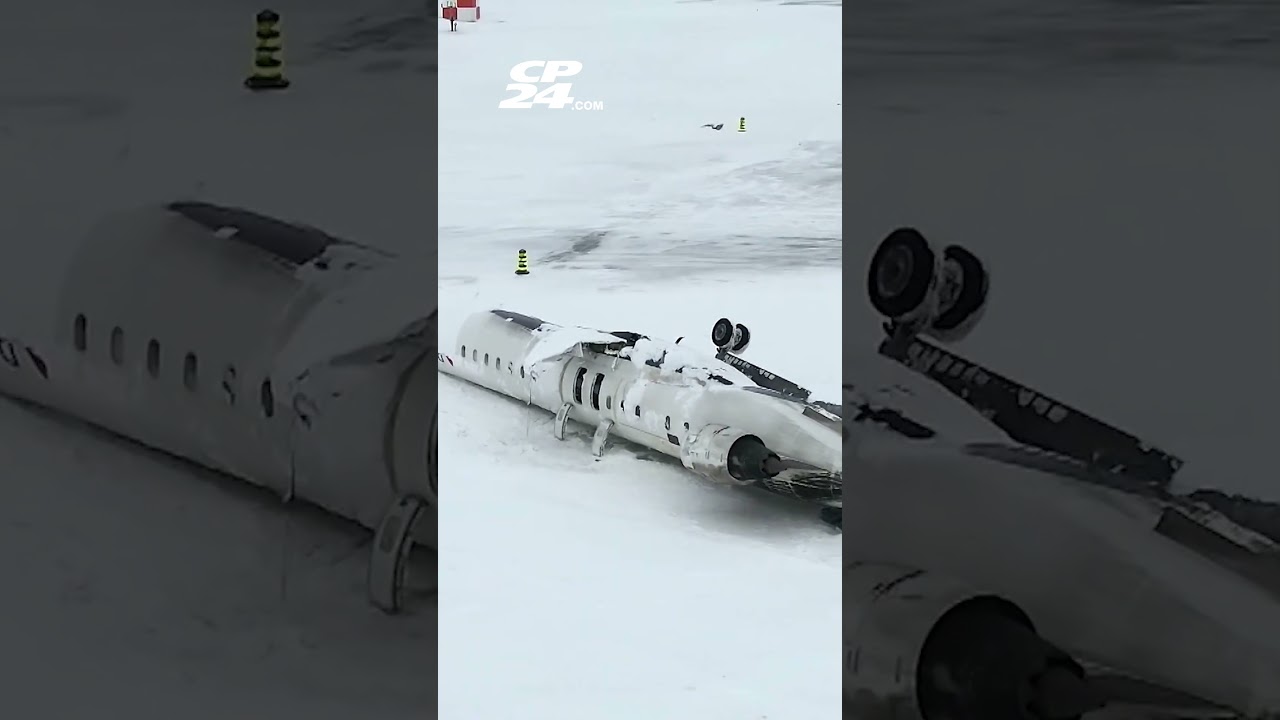
Investigation Update: Delta Airlines Plane Crash at Pearson Airport
The Transportation Safety Board of Canada (TSB) has issued a significant update concerning its ongoing investigation into the Delta Airlines plane crash that occurred at Pearson Airport last February. The incident, which involved a jet arriving from Minnesota, captivated public attention as the aircraft skidded across the tarmac and ultimately flipped upside down. This dramatic turn of events resulted in 21 passengers being transported to the hospital, raising concerns about the safety standards of air travel.
In the latest announcement, the TSB confirmed that it has completed a thorough examination of the wreckage of the aircraft. This essential step is a critical part of any aviation investigation, as it allows experts to assess the physical state of the plane for clues surrounding the accident. The wreckage analysis is not merely a matter of inspecting the components; it involves an exhaustive look at the entire aircraft system to determine if mechanical failure played a role.
As investigations proceed, the TSB is simultaneously analyzing audio recordings from the cockpit. This data will provide insights into the actions and communications of the flight crew during the critical moments leading up to the crash. Alongside this, flight tracking data and onboard recorders are also under scrutiny. These instruments offer valuable information about the aircraft’s altitude, speed, and trajectory—details that can clarify what might have gone wrong.
Despite these investigative efforts, TSB officials have cautioned that it is still too early to draw any definitive conclusions regarding the cause of the crash. Aviation accidents are complex events, often involving multiple factors that contribute to their occurrence. The meticulous nature of this investigation reflects the TSB’s commitment to uncovering the truth, ensuring that future incidents can be prevented.
Airline safety depends heavily on such investigations. By understanding the causes of accidents, regulatory bodies like the TSB can implement new safety measures or adjust existing protocols. The hope is that the findings will lead to improvements that enhance passenger safety across the aviation industry. Time will tell how long the investigation will take, but thoroughness rather than expedience remains a priority for officials.
The incident has also sparked discussions about the protocols followed during landing and the environmental conditions that may have influenced the crash. Weather, runway conditions, and even pilot responses can all contribute to aircraft incidents. Drawing from past investigations, the TSB will likely consider a range of factors before reaching a conclusion.
In light of this incident, Delta Airlines has expressed its commitment to cooperating fully with the TSB’s investigation. Transparency during such incidents helps build trust with the public and assures passengers that safety is a priority for airlines. The actions taken by the airline in response to this crisis may set a precedent for how such situations are managed in the future.
While the TSB continues its investigation, it is essential for passengers and the flying public to remain informed yet patient. Investigative processes can be lengthy, and the desire for answers can often lead to frustration. However, the ultimate goal is a thorough understanding of the incident to promote aviation safety.
As the TSB delves deeper into the analysis, updates will be provided to the public. The aviation community will be watching closely; the outcomes of this investigation could have far-reaching implications for regulatory practices, airline operational procedures, and passenger safety. It serves as a reminder that even in an industry known for its high safety standards, vigilance and investigation are essential to maintaining the integrity of air travel.
In conclusion, while we await further information from the TSB, the Delta Airlines plane crash serves as a crucial case study in understanding aviation safety. Investigation findings will not only shed light on this specific incident but also contribute to the broader discussion about airline safety standards and preventive measures in the aviation industry.