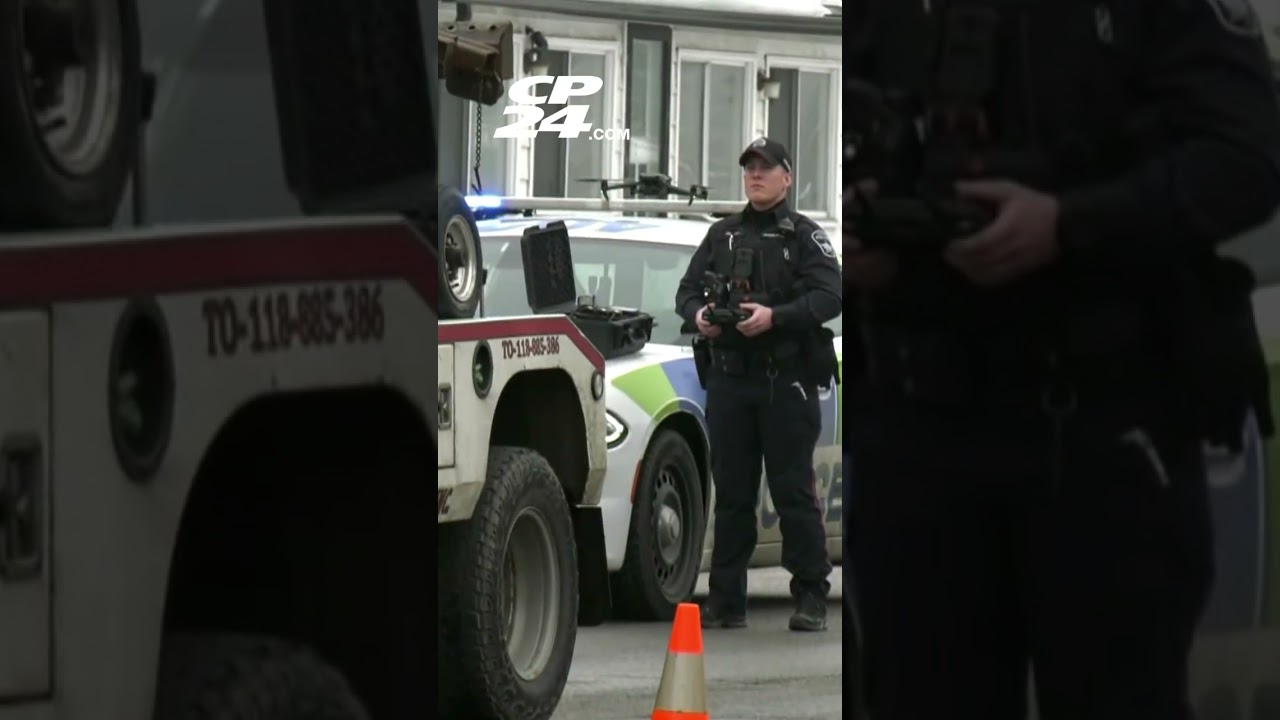
Investigation Launched into Fatal Police Encounter in Barrie
In Barrie, Ontario, a tragic incident has prompted an investigation by the province’s Special Investigations Unit (SIU), following the death of a 29-year-old man who was shot with a stun gun by police. This event unfolded early in the morning, around 3:30 AM, when officers pulled the individual over. The situation escalated quickly, ultimately leading to a confrontation in a residential backyard.
According to the SIU’s preliminary findings, the police had initiated the traffic stop after discovering an outstanding warrant for the suspect’s arrest. What ensued was a foot chase as the man fled the scene. The encounter between the suspect and the officers transitioned from a routine traffic stop into a critical incident almost instantaneously. The details surrounding the encounter remain sparse, but the sequence of events underscores the often volatile nature of police interactions.
As the situation developed, the suspect found himself cornered in a backyard, where an officer deployed a taser. Eyewitness accounts and further investigation will likely shed light on the circumstances that led to the decision to use a stun gun. While tasers are generally considered non-lethal options for law enforcement, their use can, in some instances, result in tragic outcomes. In this case, the man was transported to a local hospital but was pronounced dead shortly thereafter, raising questions about the effectiveness and safety of taser use in high-stress situations.
The SIU is mandated to investigate any incidents where individuals are seriously injured or die in the course of police interactions. This ensures transparency and accountability in cases involving law enforcement use of force. The involvement of the SIU highlights the gravity of the situation and the importance of scrutiny in instances where police actions lead to fatal outcomes.
This incident adds to a growing list of cases that fuel public discourse about policing practices and the protocols surrounding the use of electroshock weapons. In an age where such encounters are frequently captured on video and shared across social media platforms, calls for reform and reassessment of police tactics have intensified. The emotional impact of police-related deaths on communities cannot be understated; they often lead to public outcry and demand for change.
As investigations continue, community leaders and advocates are calling for a thorough review of not just this incident but also the broader context of police engagement practices in Ontario. Many are asking critical questions: What led to the use of a taser in this scenario? Were de-escalation tactics considered or employed effectively? And what measures can be put in place to ensure greater accountability and transparency from law enforcement agencies?
Advocates for police reform emphasize the necessity of community-oriented approaches to policing. The death of the man in Barrie serves as a poignant reminder of the stakes involved and the need for meticulous training for officers in managing confrontations without resorting to lethal measures. Moreover, the discussion around taser usage has sparked debates about appropriate policies and guidelines to prevent similar tragedies.
As the SIU continues its investigation, it will collect evidence, interview witnesses, and piece together the events leading to this unfortunate outcome. The findings not only hold significance for this particular case but could also influence future legislative and operational changes within Ontario’s policing framework.
The community of Barrie, like many across the region, now grapples with the implications of this incident. As emotions run high and questions abound, the crucial task ahead is to ensure that justice is served and that appropriate lessons are learned. The hope remains that such encounters will lead to better strategies that prioritize safety for both officers and citizens alike.
In conclusion, as investigations unveil more details, one can only hope that this tragic incident will contribute to a larger conversation about the need for systemic change in policing practices. The stakes are high, and the implications extend far beyond Barrie, resonating within communities province-wide.