Iranian President’s Apology Amid Escalating Regional Tensions
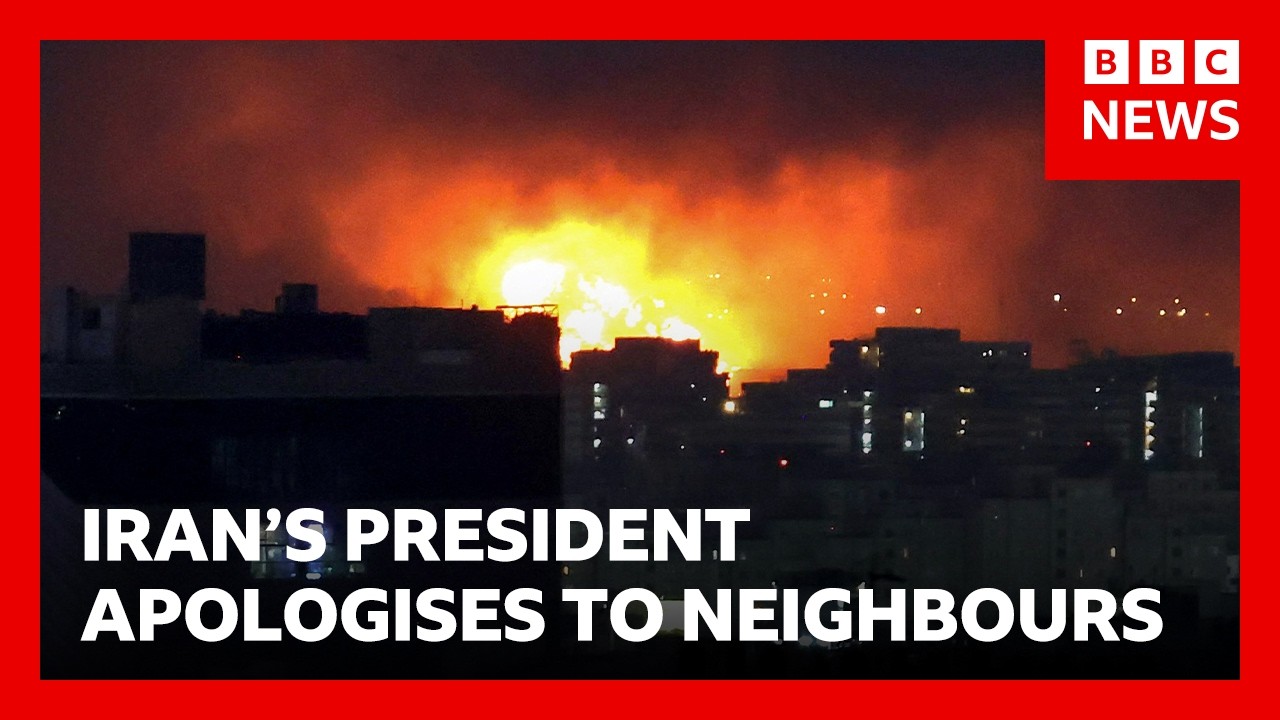
In a surprising move, Iranian President Masoud Peshkon publicly apologized to neighboring Arab countries for recent missile and drone strikes. His statement, broadcasted on state television, emphasized that Iran would refrain from further attacks, provided these nations do not initiate hostilities. This declaration emerges as a backdrop to intensified military actions from Israel against Tehran, following a series of significant strikes across Iran.
The situation escalated dramatically in the past week. Air strikes reportedly targeted Mehabad Airport, Iran’s primary domestic transit hub, leading to catastrophic explosions and extensive damage. Eyewitness reports indicated that aircraft were ablaze on the tarmac, underscoring the high stakes of this conflict. The Iranian Red Crescent estimated over 1,300 casualties since the onset of military operations by the U.S. and Israel, highlighting the human cost of this unfolding crisis.
Iran launched a series of retaliatory strikes across the Middle East, notably targeting locations in Bahrain and a drone strike near Dubai International Airport. The BBC has corroborated the authenticity of videos depicting these attacks. As confusion reigned regarding the operational status of Dubai’s airports, the potential for widespread disruption became evident.
President Peshkon expressed remorse on behalf of Iran during his televised address, stating, "I must apologize on my own behalf on behalf of Iran to the neighboring countries that were attacked by Iran." He further clarified that attacks by Iranian military units were executed autonomously, a likely acknowledgment of a decentralized command structure. The interim leadership council, formed post-Ayotollah’s death, decided that military action would cease unless provoked by neighboring states.
Barbara P. Usher, our correspondent in Doha, elaborated on the implications of Peshkon’s statements, emphasizing the skeptical reception they might receive. The decentralized military strategy operated under the premise that units could act independently in the face of imminent threats. Yet, even as this conciliatory message was broadcast, reports of missile interceptions in Qatar and the United Arab Emirates indicated that tensions remain palpable.
The Gulf states, accustomed to heightened military presence from the U.S., have been on high alert. Their expectations of Iranian retaliation to international strikes were not unfounded. The recent targeting of oil and gas infrastructures validated these fears. The region’s economic security is severely threatened, exacerbating the already fraught atmosphere.
President Peshkon’s remarks also suggested that regional conflicts should be resolved through diplomatic means rather than military aggressions. This assertion raises a critical question: What kind of diplomatic processes might emerge if hostilities do indeed cease? Arab leadership has historically played mediator roles between Iran and the U.S., but united opposition to Iranian actions may complicate future negotiations.
As the situation develops, the reality on the ground remains tumultuous. In Israel, air raid sirens echoed in Jerusalem and Tel Aviv as Iranian missiles and drones were launched following the assaults on Iranian territory. The Israeli Air Force reported that it deployed 80 fighter jets to target Iranian infrastructure, resulting in extensive damage to various military assets. While most missiles reportedly were intercepted, the ongoing aerial exchanges illustrate a volatile military landscape.
Meanwhile, reports from Dubai further complicate the picture. Flights at Dubai International Airport encountered significant disruptions due to intermittent threats from Iranian missile fire. Authorities have stated that operations have resumed but also acknowledged that perceived risks have left travelers deeply unsettled.
In the heart of Dubai, emotions range from defiance to anxiety. While many residents carry on with their daily routines, tourists find themselves caught in an unexpected crisis. Some express a strong desire to leave, fearful of the escalating conflict, while others remain resolute, continuing their lives amid chaos.
This situation remains fluid, with diplomatic discussions and military actions intertwined in a delicate balance. As the stakes continue to rise, one can only hope for a return to dialogue and peace in a region long afflicted by conflict. The coming days will be crucial in determining whether President Peshkon’s call for restraint will resonate, or if further escalation is inevitable.