Escalating Tensions and Economic Repercussions: A Deeper Look at the Middle East Conflict
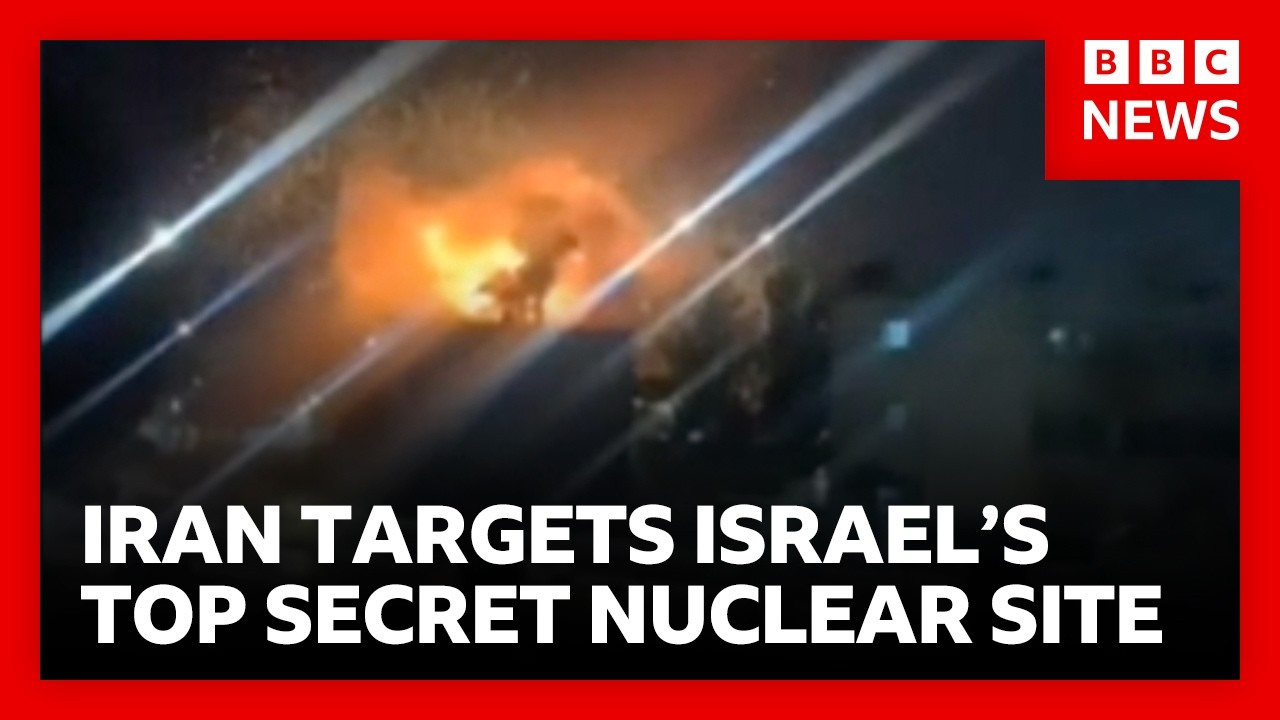
As the conflict in the Middle East stretches into its fourth week, the situation remains tense, with regional attacks intensifying. Notably, an Iranian ballistic missile struck an Israeli town presumed to contain nuclear assets, marking a dramatic escalation. Iran claims the strike was retaliation for a recent attack on one of its nuclear facilities. Concurrently, Iranian forces launched ballistic missiles at a U.S. base on Diego Garcia, raising eyebrows about the usability of their missile technology, which appears to extend significantly further than previously assessed.
This missile assault not only underscores Iran’s military capabilities but also heightens fears within Europe. The two-stage intercontinental ballistic missile fired at Diego Garcia has a range sufficient to threaten European capitals. While European cities are unlikely targets in the current climate, the implications for missile defense strategies across the region are clear. The capabilities of Iran have surprised both the U.S. and Israeli officials, who must now recalibrate their assessments.
The immediate threat posed by missile attacks is only part of the equation. The economic ramifications of the ongoing conflict are becoming increasingly pronounced, particularly due to the effective blockade of the Strait of Hormuz—a vital conduit for global oil and liquefied natural gas shipping. In recent developments, the U.S. reported successful strikes against key Iranian military infrastructure aimed at degrading Tehran’s ability to threaten maritime navigation through this crucial waterway.
However, these military actions have intertwined with broader economic implications, exacerbating pressures on global supply chains. The National Farmers Union has signaled concerns that the conflict will drive food prices higher in the UK, primarily due to the rising costs associated with food production and transportation. The Strait of Hormuz typically facilitates about 20% of the world’s oil and LNG, as well as a third of global fertilizer supplies; its disruption signals dire consequences for agricultural sectors.
The escalating costs have not been lost on farmers, who are already feeling the pinch. Reports indicate that energy costs—driven up by the conflict—have resulted in immediate financial repercussions for greenhouse vegetable production. Some farmers have noticed their production costs soar, with natural gas, a key input, seeing price increases of over 30%. Unfortunately, stagnant prices for agricultural products mean that many farmers simply cannot absorb these new costs, placing additional strain on already fragile economic conditions.
The impact of soaring food prices extends beyond the agrarian community; it is a significant driver of overall inflation. The Bank of England has warned that these unexpected shocks to the economy could provoke further inflationary trends, raising concerns over interest rates. The mortgage market has already responded, with many fixed-rate deals being withdrawn en masse in light of the uncertainty resurfacing in financial markets.
As the government grapples with the consequences of the conflict, an emergency meeting is scheduled to tackle the escalating cost-of-living crisis. This meeting will involve high-ranking officials, including the Prime Minister, the Chancellor, and the Governor of the Bank of England, who will discuss potential strategies to mitigate these growing economic challenges.
Given the gravity of the situation, the government recognizes that stabilizing household budgets is its primary domestic priority. There is a pressing need to explore options, including targeted financial aid or more universal financial support, as the specter of rising energy prices looms large.
In conclusion, the ongoing conflict in the Middle East presents a multifaceted challenge for both military and economic stability. As Iran continues to assert its missile capabilities, the broader ramifications are felt worldwide—especially in realms such as food security and inflation. The international community, particularly nations heavily reliant on stable energy prices and supplies, are on edge, hoping for a de-escalation while preparing for the possibility of sustained conflict. The coming weeks will undoubtedly be pivotal in shaping both regional dynamics and global economic conditions.