UK Bases and Rising Tensions: The Complex Landscape of the Iran Conflict
In a significant development in the escalating confrontation between the United States and Iran, the UK government has agreed to expand the utilization of British military bases for American operations. These bases are now sanctioned for strikes aimed at Iranian positions that could threaten the vital Strait of Hormuz, a critical waterway for global oil transport. This expansion marks a pivotal moment in the UK’s involvement in the ongoing conflict, intensifying scrutiny about the implications for British lives and international stability.
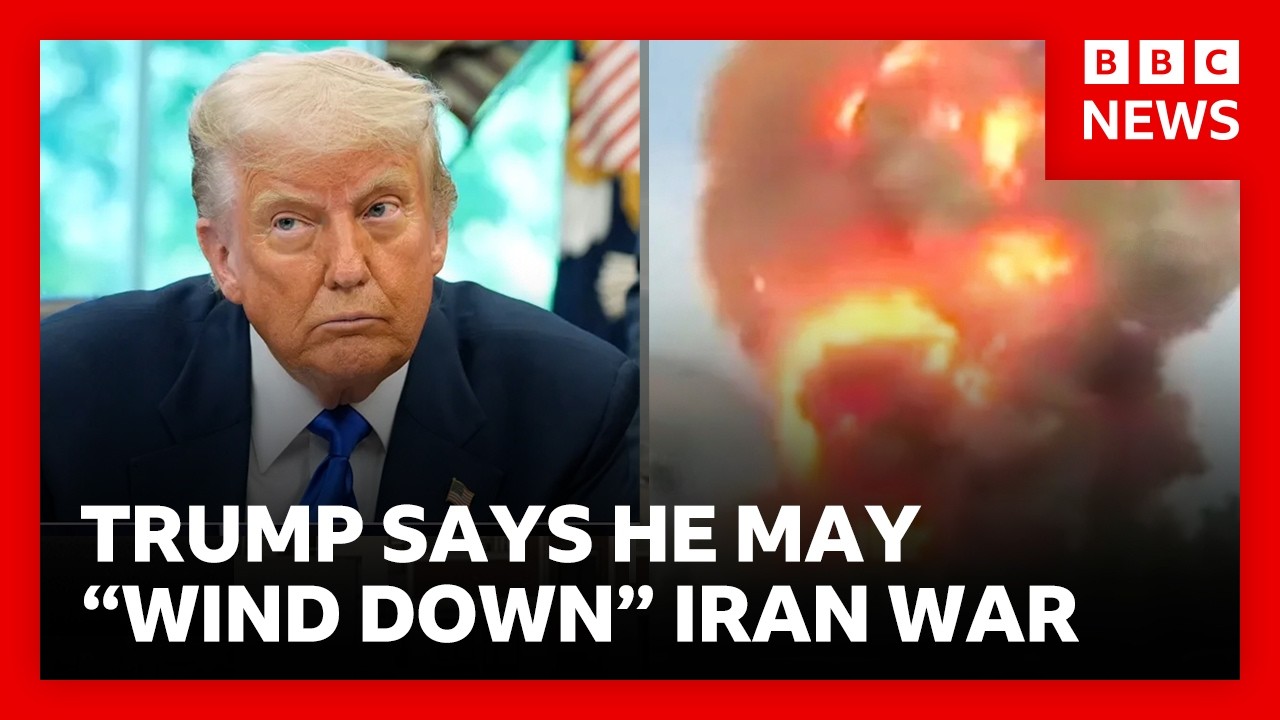
President Donald Trump has responded to this strategic decision with characteristic assertiveness, stating that the UK should have acted more swiftly. In his remarks on Truth Social, he suggested that the administration is contemplating a winding down of hostilities; however, his validation of military actions reflects a complex and paradoxical stance. According to Trump, a ceasefire cannot be considered while actively engaging the enemy, echoing a viewpoint that prioritizes aggressive military engagement over diplomatic resolution.
The Iranian government expressed vehement disapproval of the UK’s decision, with its foreign minister warning that such actions place British lives in jeopardy. Moreover, Iran has made it clear that it will exercise its right to self-defense, continuing its missile strikes across the Gulf and even launching attacks that reportedly reached the outskirts of Jerusalem. The Iranian military’s response includes targeting infrastructure and high-ranking officials, although this has unfortunately led to civilian casualties, especially during significant cultural celebrations like Nowruz, the Persian New Year.
Amidst these developments, the military dynamics have shifted. Israeli forces have expanded their operations, launching strikes in northern Iran, while the situation becomes increasingly volatile on both sides. Reports indicate that residential areas in Iran are being hit as well; the collateral damage raises pressing ethical questions about the ongoing conflict. Iran’s internal dialogue, as conveyed through state media, attempts to project a facade of unity and strength despite the evident turmoil in the country, where daily life is marred by funeral processions and loss.
In Westminster, political fallout from the UK’s decision is generating debate. The ruling government has so far framed its involvement as defensive, allowing the US to neutralize threats posed by Iran in the region. Critics argue that this expansion of military cooperation marks a troubling escalation. Calls are growing for parliamentary approval prior to future actions, reflecting a desire for greater transparency and accountability in matters of national security and foreign policy. The opposition accuses Prime Minister Rishi Sunak of indecision and a lack of robust leadership in a time of significant crisis.
On the economic front, the ramifications of this geopolitical turmoil are already being felt. Analysts project a sharp increase in energy prices, with household bills potentially rising by more than £300 in the coming months. This surge in costs comes amidst a backdrop of already rising inflation and high interest rates. The ongoing conflict is exacerbating financial pressures, affecting everything from fuel prices to rising mortgage costs, with expectations for further economic tightening.
The broader implications of these developments are chilling. Experts contend that the current situation may surpass previous energy crises, such as those experienced in the 1970s or during the recent upheaval following Russia’s invasion of Ukraine. The Strait of Hormuz, typically bustling with approximately 100 ships daily, is now seeing drastically reduced shipping traffic, which poses significant risks to the global economy.
As tensions continue to mount, the insistence from the International Energy Agency for reduced consumption and changes in public behavior reflects the urgency of the situation. The call for carpooling and working from home has become emblematic of the broader challenges posed by these developments.
In sum, the UK’s decision to allow greater American military operations from its bases represents a critical evolution in the Iran conflict, raising serious questions about national security, the safety of its citizens, and the intricate web of international relations. The implications stretch far beyond military strategy, impacting energy markets, economic stability, and the very fabric of diplomatic relations in a volatile region.