Day 12 of the US-Israel Conflict: Key Developments and Global Implications
As the conflict between the United States, Israel, and Iran enters its twelfth day, the situation remains fluid and complex. This conflict, now characterized by a series of military actions and geopolitical ramifications, has raised alarm bells across the globe. The recent updates from the region provide crucial insight into the evolving landscape of this war.
Oil Reserves and Market Responses
A significant development today saw the International Energy Agency (IEA) member countries agree to release a staggering 400 million barrels of oil, marking the largest coordinated effort of its kind in history. This decision aims to stabilize rising oil prices, which have surged due to the ongoing military actions in the Gulf. The release is intended to alleviate market pressures resulting from the conflict and restore some equilibrium in global oil supply.
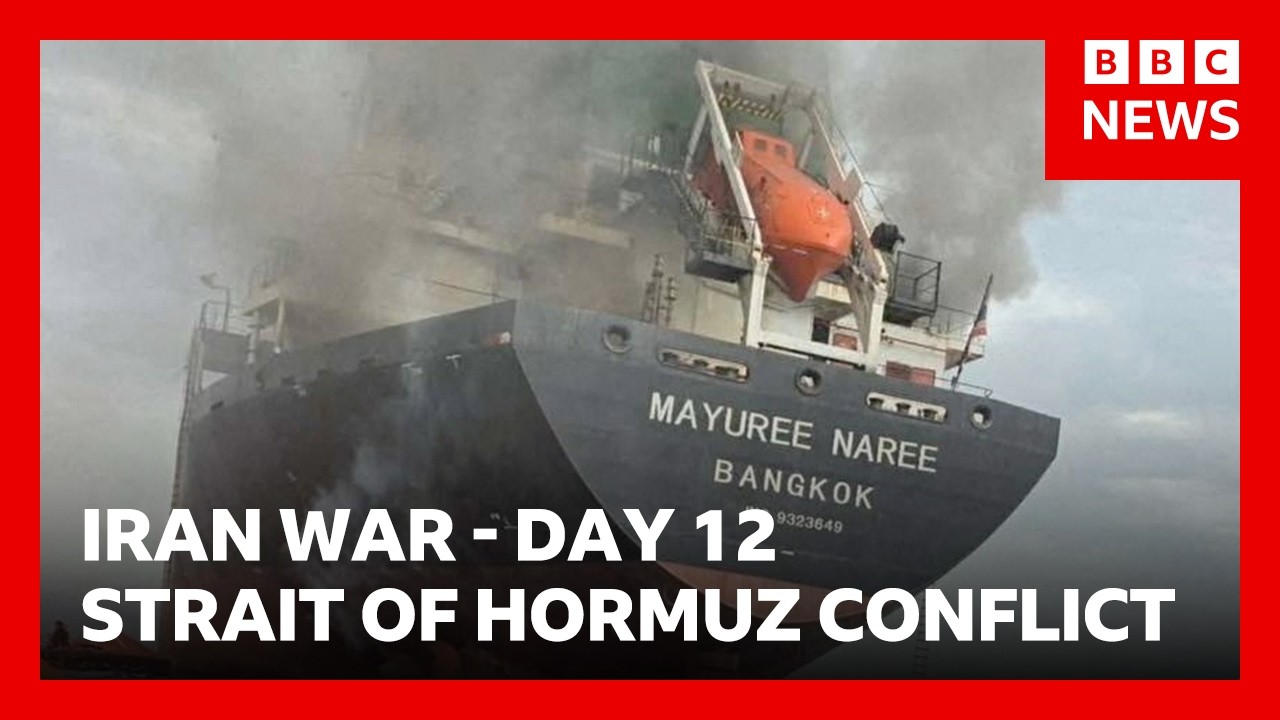
Amidst this backdrop, three commercial vessels were struck by projectiles in the Gulf, with Iran claiming responsibility for at least one attack. These incidents occurred in critical shipping lanes, specifically the Strait of Hormuz, through which approximately 20% of the world’s oil is transported. The implications of these strikes extend beyond immediate economic concerns, threatening the security of maritime operations in this vital corridor.
Military Escalation in the Region
The toll of the conflict is becoming increasingly severe. The U.S. military reported the destruction of 16 Iranian mine-laying ships that posed a threat to navigation. Meanwhile, Israeli airstrikes have intensified, targeting multiple locations in Lebanon and Iran. Reports indicate nearly 600 casualties in Lebanon alone, with residential areas like Beirut experiencing extensive damage. Residents expressed shock and disbelief at the apparent targeting of civilian infrastructure, suggesting a growing disregard for the humanitarian consequences of military strategy.
In the backdrop of these military actions, the U.S. has reiterated its commitment to supporting its allies, with President Trump stating that "we’re not finished yet." This mantra reflects a broader strategy of prolonging military engagement as a means to achieve specific geopolitical aims.
International Ramifications
The impact of the Iran conflict is reverberating internationally, influencing not just oil prices but also altering diplomatic dynamics. Russian President Vladimir Putin has actively engaged with both Iranian and American leaders, signaling potential opportunities for Russia stemming from the conflict. The surge in oil prices has the potential to bolster Russia’s economic situation, allowing it to further its own interests, particularly amid ongoing pressures from sanctions related to the Ukraine crisis.
Ukraine, too, is responding to the evolving situation. Military experts have been dispatched to Gulf states to assist in countering drone threats from Iran. The war in the Middle East could distract international attention from ongoing conflicts, particularly Ukraine’s struggle against Russian aggression. Yet, Ukrainian officials are also positioning themselves to benefit from the situation, offering expertise in drones, thus redefining their role on the global stage.
Domestic Consequences within Iran
As military actions unfold, the Iranian population is caught in a precarious situation. Reports indicate that at least 70 individuals have died due to escalating violence. With civilians affected directly by the bombardment, sentiments of despair and frustration are growing among the youth. Many are questioning why their lives have been marked by such turmoil, showcasing the human cost of geopolitical strife.
Conclusion: Where Do We Stand?
With the situation developing rapidly, questions abound regarding the longevity and outcome of this conflict. Experts suggest that while the U.S. may be contemplating an endgame, Israel’s objectives appear aggressive and unyielding, raising the specter of a protracted military engagement. The ramifications of this conflict will surely extend beyond the Middle East, impacting global oil prices, international relations, and geopolitical alliances.
In the coming days, as military strategies unfold and diplomatic maneuvers play out, the world will be closely monitoring the repercussions of this conflict. The stakes are undeniably high, with potentially far-reaching consequences that transcend regional borders. Understanding the complexities of this situation will be essential as the international community seeks to navigate this precarious landscape.