The Strategic Significance of the Strait of Hormuz: Analyzing Current Tensions
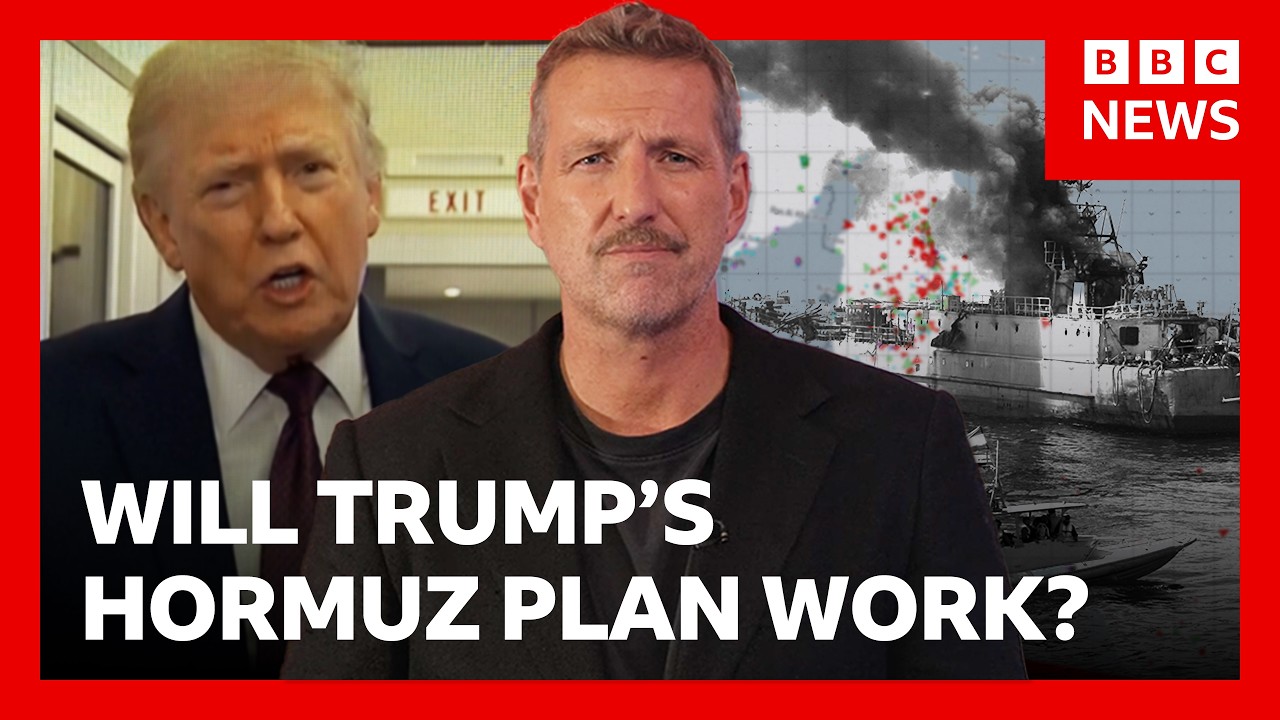
The Strait of Hormuz, a vital waterway for global energy supplies, has become a focal point of geopolitical tension. Following recent actions by Iran to close the strait, the situation has escalated, drawing responses from global leaders, including President Trump. However, is the reopening of this waterway truly a “very small endeavor,” as the President claims? Let’s delve into the intricacies of this unfolding crisis.
The Importance of the Strait
The Strait of Hormuz is the second busiest maritime route globally, with an average of 40 to 60 tankers passing through daily. This strait feeds a staggering 20% of the world’s daily oil supply and plays a crucial role in liquefied natural gas exports, particularly from Qatar. With tensions mounting, the Iranian Revolutionary Guard Corps (IRGC) has made threats that have drastically reduced maritime traffic. The consequences are evident: soaring oil prices and disrupted supply chains.
Despite these threats, it’s crucial to note that oil isn’t entirely immobilized. Tankers from Iran, India, and China are reportedly still transporting millions of barrels despite U.S. military actions against Iranian forces. Some vessels are even going dark—turning off transponders or spoofing their identities to evade detection, exacerbating the challenges faced by the U.S. and its allies.
Military and Economic Implications
The military dimension of the Strait cannot be overlooked. The U.S. Navy’s presence in the region is pivotal. Warships equipped with missile defense systems, such as the SM2, SM3, and SM6, are vital to protecting Gulf states’ oil infrastructure, especially given the potential vulnerabilities indicated by reports that the UAE quickly burned through 800 interceptors in just three days of conflict.
However, securing maritime traffic entails more than just aerial defense. The Gulf currently lacks effective mine-hunting capabilities—a glaring omission. With Iranian mines posing a significant threat, especially when laid by fishing vessels or inexpensive craft, the reopening of the strait requires addressing this issue head-on. The decommissioning of critical mine counter-measure ships has left the U.S. with inadequate assets to counter this threat, illustrating a gap in operational readiness.
Iran’s Asymmetric Threat
While traditional military assets of Iran have been diminished, their asymmetric capabilities remain problematic. Swarms of fast boats and drones, like the Shahed 136, can execute unpredictable attacks in close quarters, making detection and interception challenging. This duality of threat—conventional and asymmetric—complicates any U.S. response.
President Trump’s call for Coalition countries, including allies like China, France, and the UK, to send naval assets to secure the strait highlights a critical concern: the need for collective security. The idea of collaboration may resonate, yet operationalizing it is fraught with difficulty.
The NATO Dilemma
NATO’s principle of collective self-defense, as encapsulated in Article 5, comes into play. Attacks on one member are perceived as attacks on all. However, the situation in the Persian Gulf doesn’t automatically trigger this commitment. Trump’s prior involvement in initiating conflict—cited as rooted in an alleged imminent threat—clouds the feasibility of rallying NATO support.
Asking China to aid in policing the strait adds another layer of complexity. China’s dependencies on Iranian oil could foster cooperation, but it so far appears to be benefiting from ongoing exports, leaving little incentive for deeper engagement.
Conclusion
The dynamics surrounding the Strait of Hormuz underscore the complexity of international maritime security. As tensions escalate, the categorization of reopening this vital waterway as a minor task underestimates the myriad challenges involved. With significant mine threats, asymmetric warfare capabilities, and the geopolitical intricacies of NATO and international relations at play, the situation demands more than simple resolutions. The world watches as these intricacies unfold, keenly aware that the consequences of miscalculation extend far beyond the Gulf region.