Scott Mills Departures from BBC: A Closer Look at the Implications
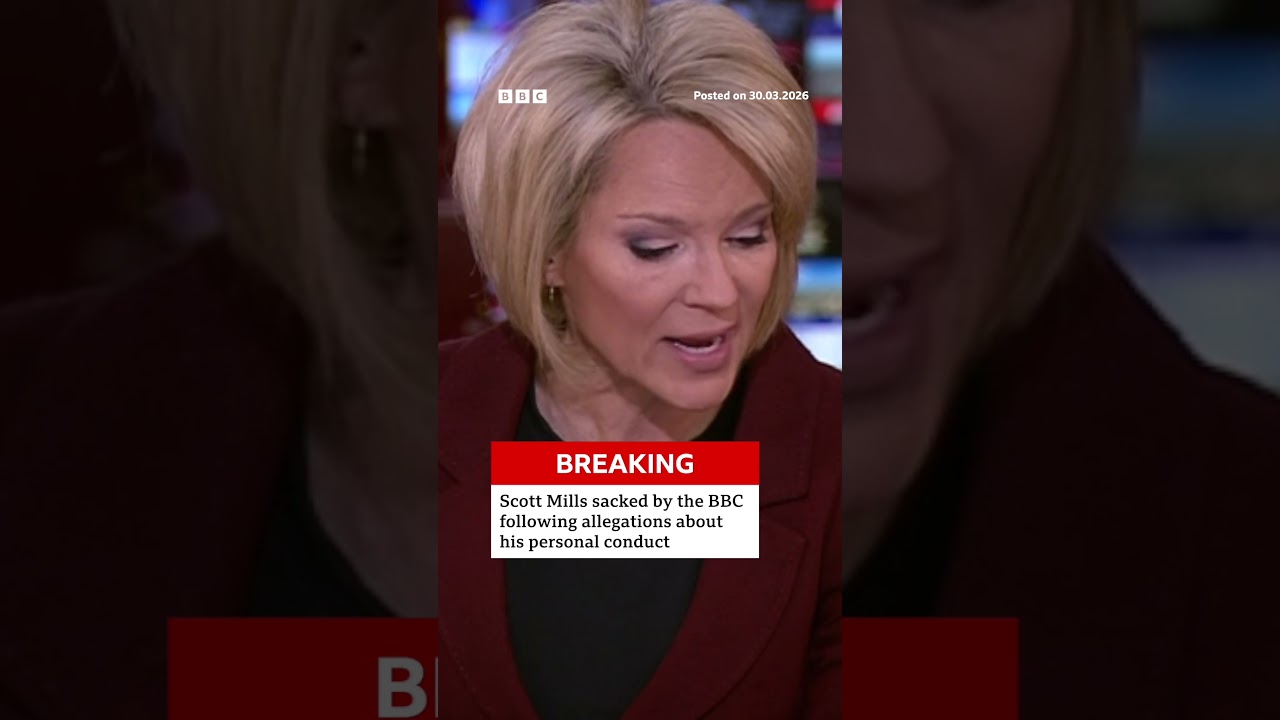
In a surprising turn of events, Scott Mills, the well-known DJ of BBC Radio 2, has been dismissed from his position following allegations related to his personal conduct. The announcement has raised questions about not only Mills’ future but also the broader implications regarding accountability within the broadcasting industry.
The BBC, whose guidelines emphasize maintaining the integrity of its workforce, has refrained from providing specific details regarding the circumstances surrounding Mills’ departure. In a public statement, a spokesperson confirmed, "While we do not comment on matters relating to individuals, we can confirm that Scott Mills is no longer contracted and has left the BBC." This vague communication leaves room for speculation, igniting conversations about professional standards in high-profile roles.
Scott Mills has enjoyed a remarkable career at the BBC, transitioning from local radio to become a household name on national airwaves. His charismatically engaging style and ability to connect with audiences made him one of Radio 2’s most beloved figures. However, media personalities operate under an immense spotlight, and any lapses in conduct can swiftly lead to significant repercussions, as evidenced by this incident.
The decision to part ways with Mills underscores a growing trend in the media where organizations are prioritizing ethical standards more than ever. The broadcasting sector has faced considerable scrutiny in recent years over various allegations concerning personal behavior. While many people may view dismissals as harsh, they often reflect an organization’s commitment to upholding a public image that aligns with societal values.
Public reaction to Mills’ dismissal has varied. Some fans are expressing disappointment and anger, arguing that an individual’s personal conduct should be separate from their professional career. Conversely, others understand the necessity for the BBC to maintain a strict ethical code, especially when it comes to its prominent figures. The duality of public opinion highlights the ongoing societal discourse surrounding accountability and the balance between personal life and professional responsibilities.
Mills’ departure also serves as a reminder of the precarious nature of fame in the media. With a robust social media presence and a multitude of public appearances, personalities like Mills are often under constant scrutiny. The expectations placed upon them are immense, and one misstep can result in not just personal fallout but also institutional challenges.
What does this mean for the future? For Scott Mills, the road ahead is uncertain. He could explore opportunities in other media formats, or he may choose to step back entirely to reflect on his career. On the other hand, the BBC must navigate the challenging landscape of public trust and workplace ethics, ensuring that their channels remain reputable and accountable.
Organizational responses to allegations of misconduct have become pivotal in shaping public perceptions. The BBC’s handling of this matter signals to both its staff and its audience that it is serious about addressing concerns related to behavior. The repercussions of such decisions extend beyond the individuals involved; they set a precedent for the entire industry.
In conclusion, the departure of Scott Mills from BBC Radio 2 is not just a story about one DJ. It reflects the complexities of professional conduct in a world where personal lives interweave with public personas. As the media landscape continues to evolve, the importance of maintaining ethical standards remains paramount. This incident serves as a potent reminder that accountability is vital, regardless of popularity or importance in the industry. How both Mills and the BBC navigate this chapter will undoubtedly contribute further to the ongoing dialogue about ethics in broadcasting.