Analyzing the Incident: Complexities of Officer-Involved Shooting in Minneapolis
A recent incident involving law enforcement in Minneapolis has reignited discussions about police conduct and the complexities surrounding officer-involved shootings. With new footage emerging from a second angle, observers and analysts are confronted with unsettling realities. This article aims to unpack the events surrounding the fatal shooting of Alex Prey, while highlighting the implications of law enforcement practices.
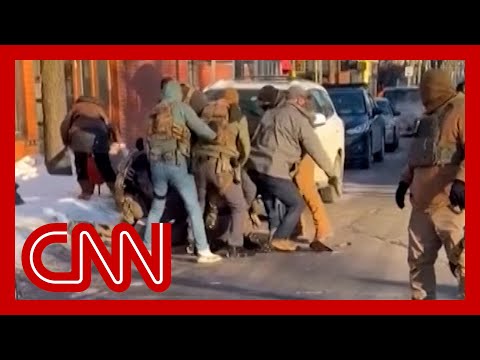
In reviewing the most recent footage, it is evident that the initial moments leading up to the shooting remain murky. Analysis suggests that Prey, while being subdued by multiple officers, was allegedly resisting arrest. However, critical clues lie in the actions of a federal agent who engaged in the scrum. This agent appears to disarm Prey, removing a firearm from his waistband just before the sound of gunfire erupts. The Minneapolis police chief has confirmed that Prey was a licensed gun owner, yet it remains unclear if he posed a legitimate threat when the shooting occurred.
The multifaceted nature of the situation raises pertinent questions. Per standard law enforcement protocol, officers are trained to use lethal force only when there is an imminent threat of death or serious bodily harm. The absence of any clear evidence indicating Prey was brandishing his weapon at the time of the incident complicates the narrative. Officers can be heard alerting one another that he possesses a firearm, yet video evidence does not support claims that he was using it aggressively.
In law enforcement circles, the phenomenon of “sympathetic gunfire” is recognized, wherein officers may discharge their weapons in response to another’s gunfire without fully assessing the threat. This raises further concerns about the decision-making process among the agents involved. Eyewitness accounts and video footage reveal a chaotic scene, one in which multiple shots were fired at Prey while he was still on the ground, raising questions regarding the justification of such actions.
Federal officials have weighed in on the matter, with mixed messages emerging from statements made by senior leaders. For instance, Greg Bavino, head of the Border Patrol team, initially characterized Prey’s actions as aggressive, suggesting he posed a significant threat. Yet, when pressed for further details, such as whether Prey had aimed his weapon at the agents, Bavino shifted to a more cautious stance, indicating that an investigation was ongoing. This duality raises eyebrows, as it feels like a preemptive justification that might skew the public’s perception of the impending inquiry.
For those in law enforcement, the operational protocol following an officer-involved shooting should ensure an impartial investigation. Agents involved typically receive separate interviews to prevent collusion about their testimonies. Furthermore, reviewing body camera footage is essential to establish a clear sequence of events. Alarmingly, reports indicate that many officers on the scene were not equipped with body cameras, which could have documented their perceptions of the unfolding situation.
This incident is not just a singular event but rather a representation of larger systemic issues within law enforcement. The tension between local and federal authorities becomes evident as the Minneapolis police chief affirmed the need for his officers to secure the crime scene against interference from federal agents. This friction highlights a growing concern about jurisdiction and accountability within law enforcement.
As this situation develops, the community is left grappling with the implications of a shooting that stirs up longstanding debates about policing, accountability, and public safety. There is a palpable crisis of confidence in how investigations into officer conduct will be conducted. Historical patterns indicate that senior officials often prematurely assess the actions of officers involved, which may undermine the credibility of future findings.
The road ahead is fraught with uncertainty. While some may anticipate a thorough investigation into officer behavior, skepticism looms large. Without transparency, the public lacks trust in the processes that are meant to ensure justice. As this event unfolds, it serves as a stark reminder of the complexities involved in officer-involved shootings, while underscoring the critical need for reforms that prioritize accountability within law enforcement agencies.
The investigation’s findings will resonate deeply within the community, shaping not only public sentiment but also potentially influencing policy reforms aimed at preventing similar tragedies in the future.