Tensions Escalate: U.S. Strikes Iranian Oil Infrastructure
Recent developments in U.S.-Iran relations have reached a critical low. In a bold statement on social media, President Donald Trump announced the U.S. military’s significant air raid on Hog Island, an Iranian territory of vital importance to the nation’s oil exports. Dubbed "the crown jewel" of Iran’s oil operations, this small island is essential for the country’s economy, with over 90% of its oil exports relying on its facilities.
Trump characterized the attack as one of "the most powerful bombing raids in the history of the Middle East," claiming that the U.S. Central Command had "totally obliterated" key military targets on the island. Photos of the strike were shared, creating a palpable sense of urgency and gravity around the situation. The President went further, warning that if Iran continued to disrupt ship traffic through the Strait of Hormuz, the U.S. might target oil infrastructure, a move that could have devastating consequences for Iran’s economy.
The U.S. military is poised to ramp up its presence in the region as tensions simmer. Reports indicate the imminent deployment of additional ships and Marines, including an amphibious assault group led by the USS Tripoli, currently stationed in Japan. This escalation raises questions about America’s long-term strategy and goals in the region. The Pentagon has remained tight-lipped, citing operational security concerns, but anticipated troop movements suggest a preparatory phase for more extensive military engagement.
In retaliation, Iran has issued stark threats to destroy the oil and energy infrastructure of firms associated with the U.S. This exchange of threats underscores the precarious nature of the geopolitical landscape in the Middle East. As the conflict enters its third week, both sides appear entrenched in their positions. Iran’s military continues to launch attacks against neighboring targets, further complicating diplomatic efforts.
The situation is particularly dire for Iranian civilians. Reports from Iran indicate a severe lack of communication and information-access, exacerbated by internet blackouts implemented by the government. Citizens are left to rely on fragmented networks to ascertain their safety and the wellbeing of their families amid ongoing tensions. As noted by BBC Persian journalist Param Gabbadi, many Iranians struggle to navigate the misinformation and uncertainty, leading to extreme anxiety and fear.
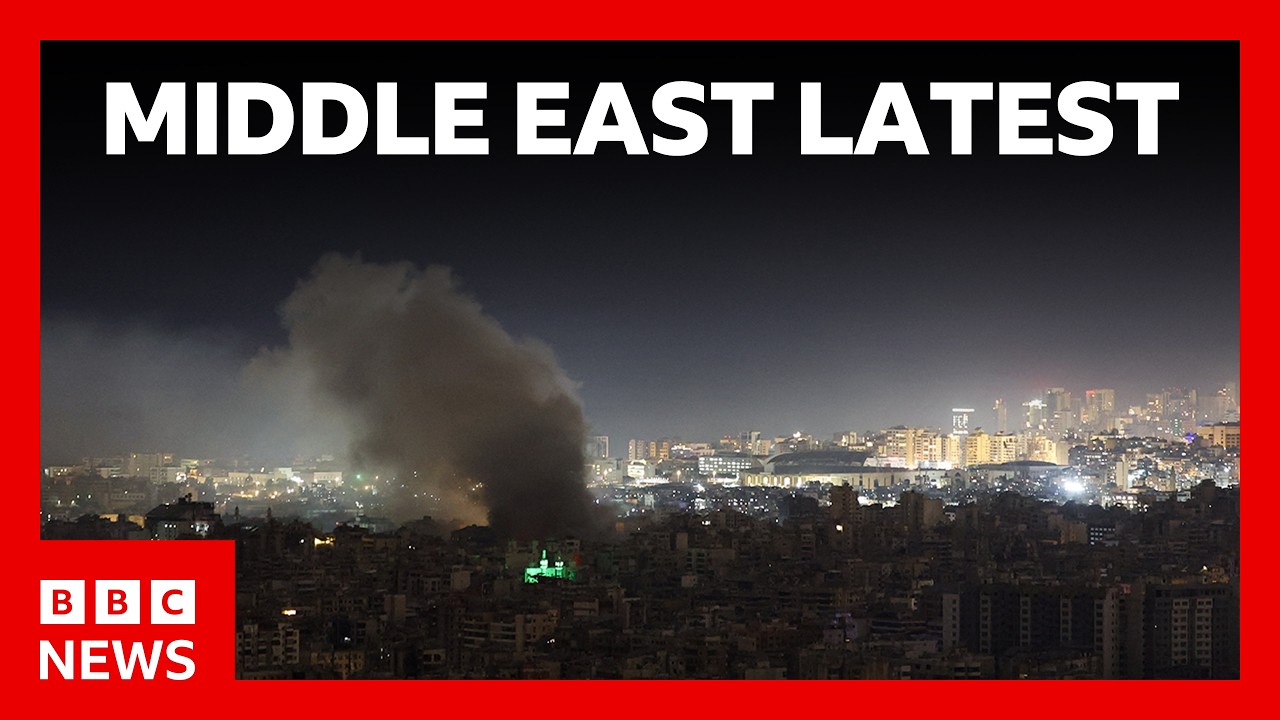
While Trump claims Iran has been decimated militarily, the continued aggression from Iran’s allies raises questions about the efficacy of U.S. strategy. A missile struck the U.S. embassy in Baghdad, resulting in visible damage and smoke clouding the building. American military objectives remain vague; while the U.S. asserts that its operations are ahead of schedule, the ultimate mission is uncertain.
The Israeli military has joined the fray, issuing evacuation warnings for residents of Tris, Iran, as it plans operations targeting Iranian military posts. This signifies a broader coalition of military pressure against Iran, likely aimed at destabilizing the regime further.
In the backdrop of these military operations is the delicate balance of oil economics. Trump’s focus on Iran’s oil infrastructure is not merely punitive; it is aimed at crippling an economy that heavily depends on oil exports, particularly to China. Though Trump insists that the oil facilities remain intact for now, he has signaled readiness for further strikes if provocations continue. This precarious calculus may spell disaster not only for Iran’s economy but could also impact global oil markets.
The implications of these developments are profound. If the U.S. succeeds in crippling Iran’s oil capabilities, it might alter the dynamics of the region significantly. However, the risk of miscalculation remains ever-present. Military escalation could lead to unintended consequences that destabilize the entire region.
As preparations continue for a possible increase in American boots on the ground, the path ahead remains fraught with uncertainty. The current military engagement appears far from resolution, suggesting that American presence in the Middle East will persist for the foreseeable future. The hope for a diplomatic resolution lies on the horizon, but with each passing day, the likelihood diminishes further. In this volatile climate, the stakes have never been higher.