The Recent Attack on South Pars Gas Field: Implications for Global Energy Markets
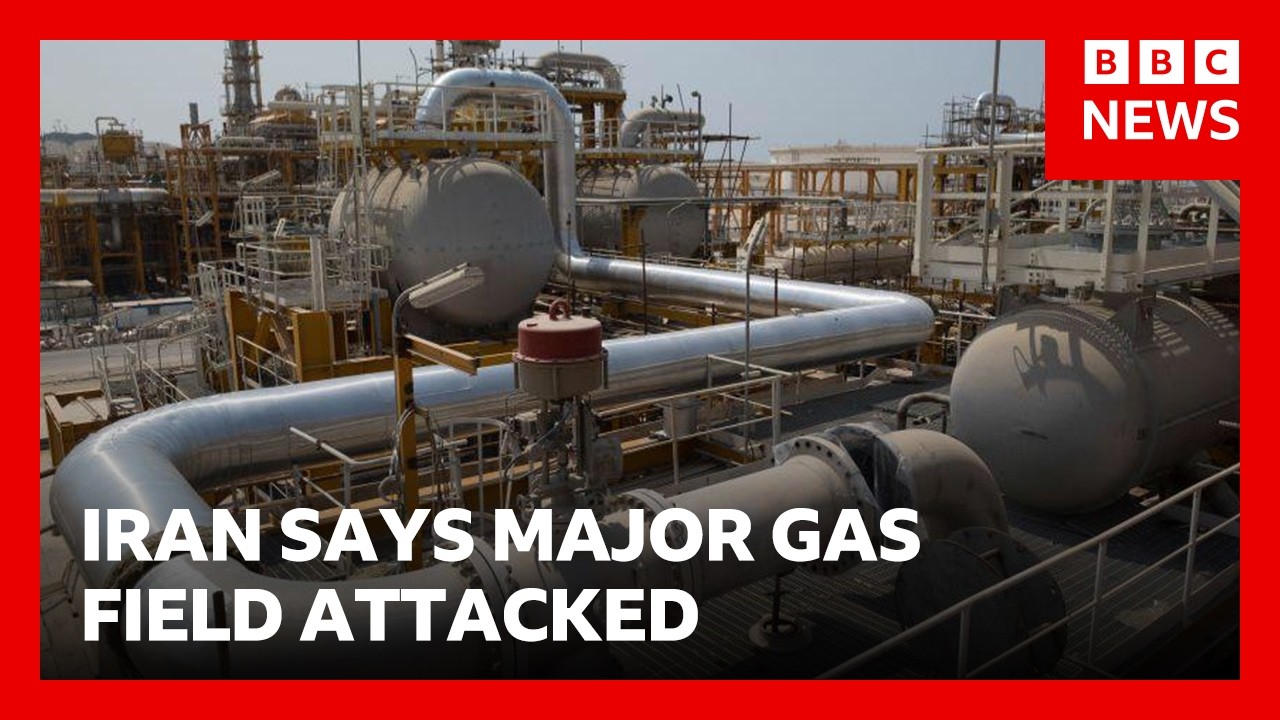
In recent hours, news has broken regarding a significant attack on the South Pars gas field in Iran, an event that carries implications well beyond its geographical boundaries. This gas field, a shared resource between Iran and Qatar, is a vital segment of the world’s largest natural gas reservoir. According to reports from a news agency affiliated with Iran’s Revolutionary Guard Corps, fire teams have been dispatched to combat a blaze resulting from the attack. The nature of this incident has led to heightened tensions in the region, prompting responses from various stakeholders.
Qatar’s Foreign Ministry has publicly condemned the attack, labeling it "dangerous and irresponsible." The interconnectedness of the South Pars field implies that disruptions on one side could reverberate onto the other, affecting both nations. The timing of the attack raises the specter of retaliatory measures. In response to this unfolding crisis, Iranian officials have ordered the evacuation of five energy facilities across strategic locations in the Gulf, including Saudi Arabia, the UAE, and Kuwait. This precautionary step reflects the heightened perception of risk in an already volatile region.
The immediate financial ramifications of the attack have echoed through global markets. Oil prices surged, crossing the $108 per barrel mark in early trading—an increase of about 5% compared to the previous day. Benchmark natural gas prices in the UK also rose by nearly 6%. This immediate spike in energy prices underscores the market’s sensitivity to geopolitical developments, particularly in an area where energy supplies are already precarious.
Our North America business correspondent, Samira Hussein, elaborates on the consequences of the attack. The South Pars field is not merely a local asset; it embodies a crucial component of the international energy landscape. "The enormity of this kind of attack has cascading implications," she states, emphasizing how disruptions can severely limit Iran’s ability to export oil. The situation is made all the more precarious by statements from the International Maritime Organization, which warns of the dangers associated with military escorts in the Strait of Hormuz. As a result, the international community watches anxiously as oil prices reach new heights.
Moreover, the repercussions extend beyond Iran and Qatar, affecting neighboring Iraq, which has suddenly experienced a gas shortage due to the suspension of Iranian gas supplies. This interconnected web highlights how regional conflicts can reverberate across borders, causing a ripple effect that impacts various nations.
Despite individual agreements allowing some Iranian oil to still reach countries like India, the overall picture is one of heightened uncertainty. These deals are piecemeal and do not reflect the bulk energy trade that characterized the pre-conflict period. The ongoing rise in energy prices raises a troubling prospect: if these trends continue, the global economy could be pushed toward a recession, exacerbating existing vulnerabilities.
Amid these developments, efforts to bolster regional security are underway. UK Defense Secretary John Healey recently held discussions with defense ministers from France, Germany, Italy, and Poland regarding the situation in the Strait of Hormuz. However, specifics concerning the deployment of shipping resources remain vague. President Macron has made it clear that any intervention would depend on a reduction in regional tensions, a scenario that currently appears distant.
European nations have also expressed caution regarding military involvement. The prevailing sentiment among these countries is that, without realistic guarantees of safety, securing maritime routes through the Gulf region is untenable. As these discussions unfold, the need for direct dialogue with Iran becomes increasingly apparent. As seen with countries like India, crafting specific agreements may be necessary to mitigate risks and ensure the uninterrupted flow of vital energy supplies.
In conclusion, the attack on the South Pars gas field represents more than just a local conflict; it is a potential catalyst for significant shifts in global energy markets. With interconnected interests at stake, the world watches closely, anticipating both geopolitical maneuvers and their accompanying economic consequences. As this situation evolves, the importance of strategic dialogue and regional cooperation cannot be overstated.