Intensifying Conflict in the Middle East: A Closer Look at the Current Situation
As the conflict in the Middle East escalates, new developments have emerged that are reshaping the geopolitical landscape. The United States and Israel have intensified their military operations against Iran, with reports confirming significant strikes on missile launchers and defense systems in various Iranian cities. Israel’s Defense Forces (IDF) claim to have targeted facilities in Hoam and Isfahan, while explosions have also reverberated through Tehran.
Pentagon officials assert that Iranian missile launchers have decreased by 86%, marking a significant shift in military dynamics. President Donald Trump pronounced the United States to be in a "very strong position," citing ongoing successes against Iranian military assets. However, as air raid sirens wail in Tel Aviv and Jerusalem, and explosions rock civilian neighborhoods, the conflict’s human toll is becoming alarmingly apparent.
Escalation of Regional Tensions
As international military efforts systematically dismantle Iranian missile capabilities, the ramifications extend beyond Iran’s borders. Airstrikes have reportedly occurred in Doha, Qatar, while Canadian Prime Minister Mark Carney indicated that military participation could not be ruled out as the conflict escalates. Meanwhile, the Pentagon is making plans for extended operations that could last well into September, indicating a long-term military commitment that extends beyond Trump’s initially projected timeline of four weeks.
In the UK, Defense Secretary John Healey is now in Cyprus, facing criticism over a perceived slow response to Tehran’s retaliatory strikes. Cyprus has expressed its expectations for a robust defense against potential threats, further illustrating the worry permeating across allied nations.
The Human Cost of War
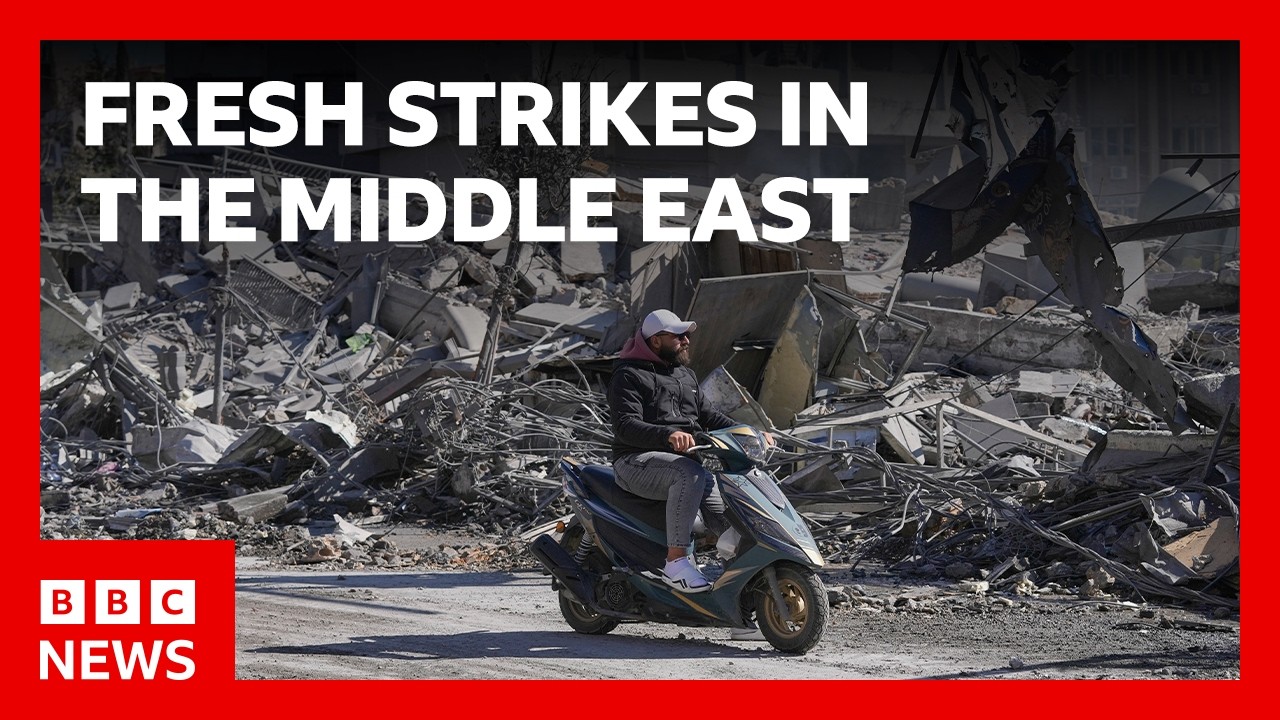
In Lebanon, the situation is increasingly dire. Reports indicate that at least 70 people have been killed, with hundreds more injured and around 80,000 displaced. Civilians are caught in the crossfire as Israeli forces target Hezbollah militants, raising concerns about the legitimacy and ethical implications of these actions. The Israeli government’s evacuation orders for residents south of the Litani River have only heightened fears of a ground invasion.
The leader of Hezbollah, Naim Kasm, has made public statements defending the group’s actions while critiquing Israel’s alleged breaches of previous ceasefire agreements. His rhetoric adds another layer of complexity to an already complicated web of regional alliances and rivalries.
Diplomatic Ramifications
Across the region, the diplomatic landscape is fraught. The Qatari Foreign Minister’s recent conversation with his Iranian counterpart highlighted the Gulf state’s dissatisfaction with Tehran’s justification of its military actions—aimed at American interests but affecting civilians. The foreign minister’s strong language indicates a growing frustration among Gulf states that may soon turn defensive intentions into offensive actions, should the situation deteriorate further.
Despite substantial defensive measures, such as advanced air defense systems being employed, the possibility of Gulf states shifting from a defensive posture looms large. Various nations have publicly condemned Iranian actions while emphasizing their right to retaliate.
Monitoring Developments
As this conflict unfolds, the constant barrage of missile alerts and military operations continue to provoke anxiety among civilian populations. The IDF reported successful strikes against Hezbollah’s infrastructure, yet the war’s escalation raises concerns about further civilian casualties amid ongoing military operations.
In Jerusalem, recent reports indicate that military activity remains robust. The Israeli military has claimed to have hit over 320 targets linked to Hezbollah, but this has not come without significant human costs. Evacuations have sparked debates concerning civilian safety and ethics as the region braces itself for potential ground operations.
As global powers weigh their responses, both the destructive capabilities of military force and the urgent plight of civilian populations must remain at the forefront of discussions. The situation remains fluid, and the events of the coming days will likely have profound implications for regional and international stability.