Inconsistencies Emerge in Law Enforcement’s Handling of Recent Shooting Incident
Recent events have shed light on the discrepancies between the statements made by federal officials and the footage of a tragic shooting incident. CNN’s Tom Foreman provided a detailed analysis of this situation, prompting serious concerns about law enforcement protocols and the transparency of investigations.
The shooting in question occurred after the Department of Homeland Security (DHS) released a tweet depicting a handgun allegedly linked to the incident. The tweet suggested that an individual approached Border Patrol officers armed with a semi-automatic firearm, indicating an intent to cause harm. However, as new video footage emerges, it is increasingly evident that the narrative may not align with the reality captured on screen.
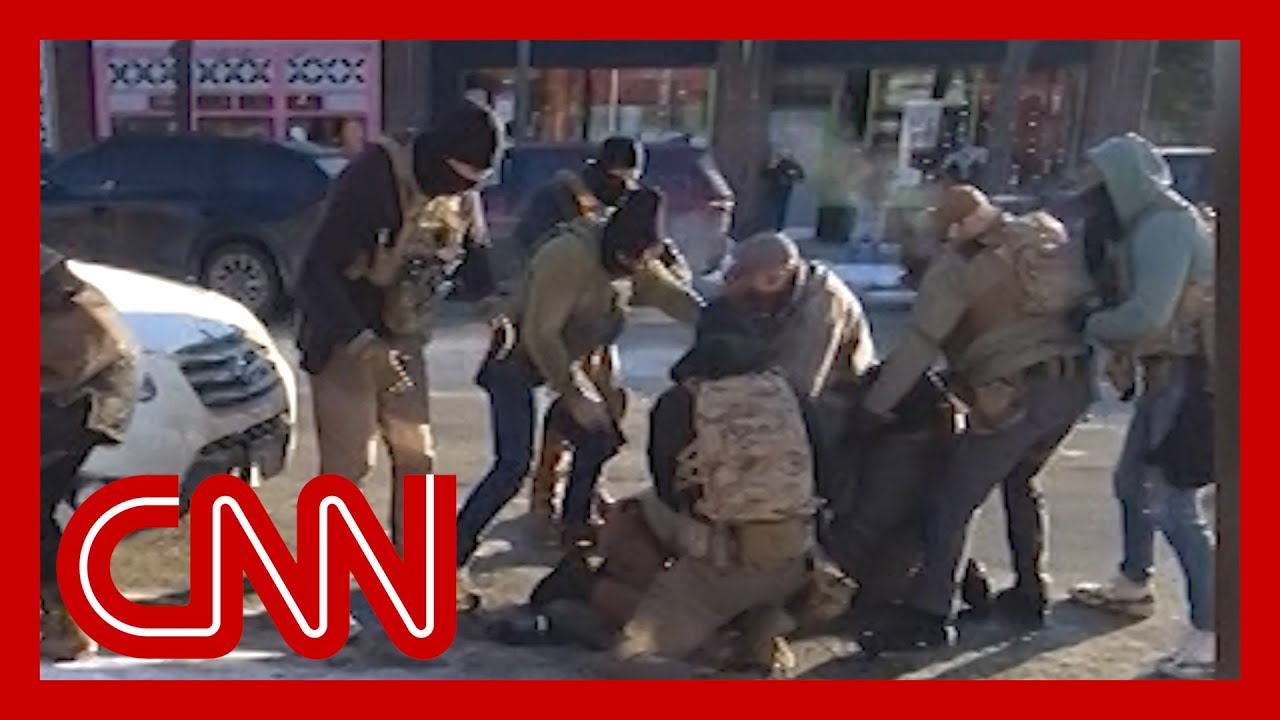
Foreman emphasized the need to scrutinize the available video, which has recently come to light. The footage shows the moments leading up to the confrontation with law enforcement. Notably, the individual in question appeared to avoid aggression, even at one point using his camera to direct traffic. As law enforcement officers approached, he stepped back rather than engaging them. In a troubling turn of events, officers were seen forcibly handling a woman nearby, escalating the situation and ultimately resulting in the shooting.
Within about 15 seconds from the officers’ initial engagement, the man was on the ground, surrounded by several officers. At no moment during this rough handling did he appear to brandish a weapon. Yet, a sudden shift in circumstances led to gunfire, raising critical questions about whether lethal force was justified. As Border Patrol Chief Greg Bovino stated, the situation is under investigation, with “facts” yet to come to light.
These developments raise a crucial point: the individual possessed a permit for concealed carry. If the police took control of the weapon before the shooting started, the rationale behind the use of deadly force becomes increasingly tenuous. Foreman noted that a federal agent was captured on video seemingly retrieving the gun mere seconds before the shots were fired. One must wonder, if the weapon had been secured, what prompted the lethal response?
In light of these events, CNN’s senior law enforcement analyst, Andrew McCabe, questioned the efficacy of law enforcement training, particularly regarding the use of lethal force. He highlighted that agents are instructed to articulate the imminent threat to their safety before using firearms. Yet, in this instance, McCabe pointed out that video evidence suggests the victim was restrained and did not present a credible threat.
Furthermore, McCabe critiqued the swift action taken by officials to frame the narrative surrounding the individual shot. By labeling the deceased as a potential threat almost immediately, they stunted the potential for a fair investigation. This approach mirrors prior incidents, such as the shooting of Renee Good, wherein federal officials hastily characterized the victim in terms that undermined the necessity for impartial inquiry.
The implication is clear: a troubling pattern seems to emerge from these events, where violent confrontations lead to swift exoneration of law enforcement actions, leaving communities in the dark and prompting an unsettling sense of impunity among officers. When public servants engage with civilians, the expectation is for professionalism and restraint. Rising concerns over escalating violence and lack of accountability only underscore the need for sound oversight and transparent investigations.
As investigations into this incident continue, it becomes imperative to examine the principles that govern law enforcement conduct and ensure accountability. The lack of clarity surrounding the chain of events defies public trust. The prevailing lack of transparency in these matters indicates a broader systemic issue that calls for reform in protocol and communication practices.
In summary, the recent shooting incident raises critical questions about law enforcement conduct and the narrative that officials present to the public. The mismatch between visual evidence and administrative claims highlights a need for a complete and fair investigation. Citizens deserve to feel secure knowing that those meant to protect them are held to the highest standards—standards that currently seem to falter in the shadows of bureaucracy and miscommunication.