Day 36 of the US-Israel Conflict with Iran: Key Developments and Military Dynamics
As the Iran War unfolds, a notable shift in the battlefield landscape highlights the complex dynamics at play. Today marks day 36 of the ongoing conflict, and the stakes have intensified significantly. The United States and Iran are embroiled in a direct confrontation following the recent downing of a U.S. F-15 fighter jet over Iranian territory. This incident underlines the escalating military and political tensions between the two nations.
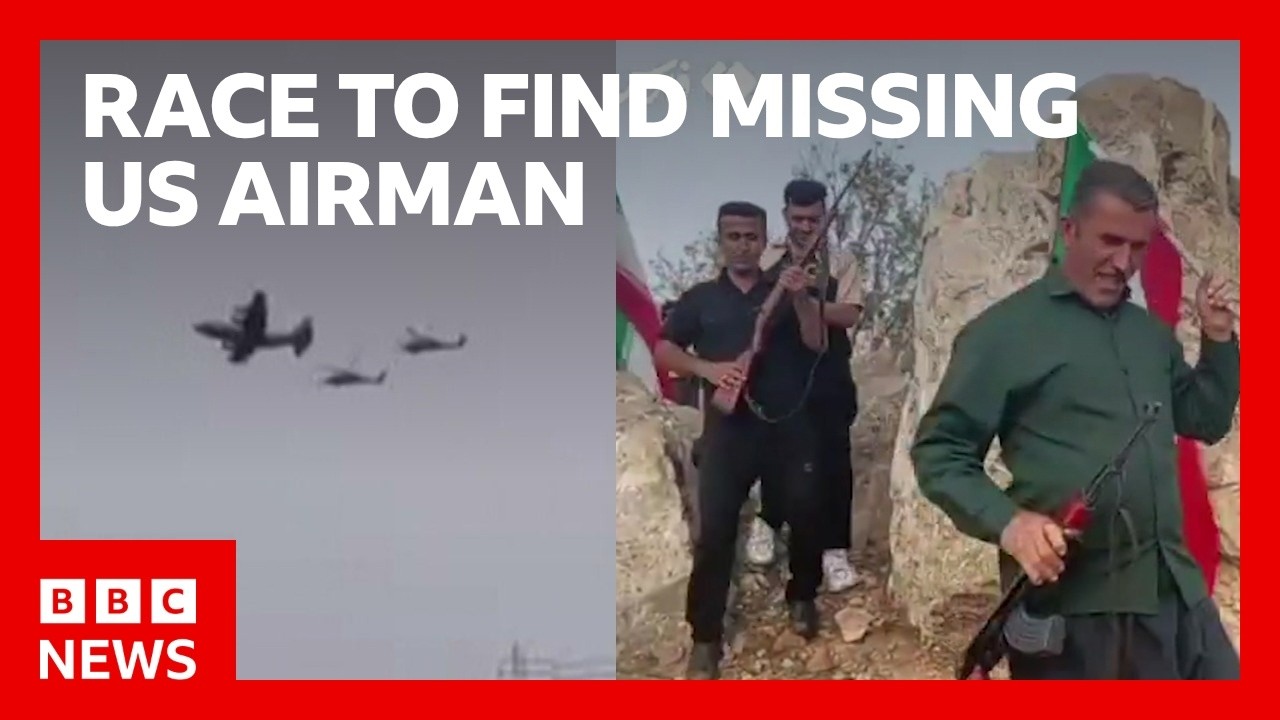
Currently, search operations are underway to locate a second crew member from the downed aircraft. While one airman has been rescued, the fate of the missing individual remains uncertain. Iranian officials have issued a reward for any information leading to the capture of the missing American, thereby heightening the urgency surrounding the search efforts. Iranian state media reports that missiles have successfully penetrated Israeli air defenses, striking targets near Tel Aviv, which indicates a troubling trend in the conflict’s proliferation.
The military actions have perpetuated a cycle of retaliatory strikes that shows no signs of abating. US airstrikes have focused on Iranian industrial and energy sites, signaling a tactical shift in the counteroffensive strategies of both sides. An analysis from military expert Mikey Kay reveals the intricate nature of combat search and rescue missions, which involve both air and ground assets, highlighting the complexities of recovering personnel from hostile environments.
Kay emphasizes that the protocols activated when military personnel find themselves behind enemy lines are critical for survival and evasion. The airman, now missing, must prioritize stealth and avoid detection using heightened senses, adrenaline, and possibly employing strategies honed through extensive training in survival and resistance. The looming threat of capture by Iranian forces complicates the situation further, as extraction becomes increasingly perilous with the passage of time.
Despite the formal silence from the Pentagon regarding the downed jet, President Trump’s communication has been anything but muted. His ultimatum that Iran must comply with U.S. demands within 48 hours or face severe military repercussions reflects a dangerous escalation in rhetoric. On social media, Trump underscored the seriousness of the situation, asserting that negotiations could only resume under U.S. terms. This hardline approach raises concerns about potential ground invasions or expanded airstrikes aimed at strategic Iranian holdings, particularly the Strait of Hormuz.
As tensions continue to rise, regional reactions have been swift. Reports indicate that missile defenses in the United Arab Emirates have intercepted numerous threats, emphasizing Iran’s enduring offensive capabilities. The psychological toll of the conflict is palpable among civilians in both nations. Ordinary Iranians express disbelief and frustration over the state of affairs, while Israeli citizens remain on high alert amid continuous barrages of missiles.
In parallel, news from the ground suggests that Iranian forces are working diligently to locate the missing airman. Iran’s Islamic Revolutionary Guard Corps has publicly stated that while one pilot has been rescued, they deny having the other in custody. Such assertions are often shrouded in misinformation, reflecting the chaotic nature of wartime narratives.
Moreover, the Iranian government’s mobilization of local tribal groups to assist in the search for the missing airman showcases an unusual intersection of military strategy and societal involvement. Incentivizing citizens to participate in military actions can be a double-edged sword, potentially rallying support but also escalating risks for both the military and local populations.
As we delve deeper into the current state of the conflict, it becomes evident that both sides perceive the need to assert dominance. With the dangers of miscommunication and miscalculation looming large, the urgency for escalation and negotiation exists in a delicate balance. Moving forward, the implications of the United States’ military decisions and Iran’s responses will undoubtedly shape the trajectory of this ongoing war.
In conclusion, the 36th day of the Iran War reveals profound complexities—militarily, politically, and socially. As international observers keep a vigilant watch, the potential for further escalation looms large. Understanding these dynamics is crucial as the situation continues to evolve, and the world grapples with the consequences of war.