Bmpton’s New Initiative Against Abandoned Shopping Carts: A Response to Urban Littering
In an innovative move to combat urban littering, the city of Bmpton has implemented a new policy that charges retailers for abandoned shopping carts found on public property. The initiative, which was highlighted recently by the advocacy group People Against Littering, aims to address an increasing concern about the environmental and safety hazards posed by these discarded carts.
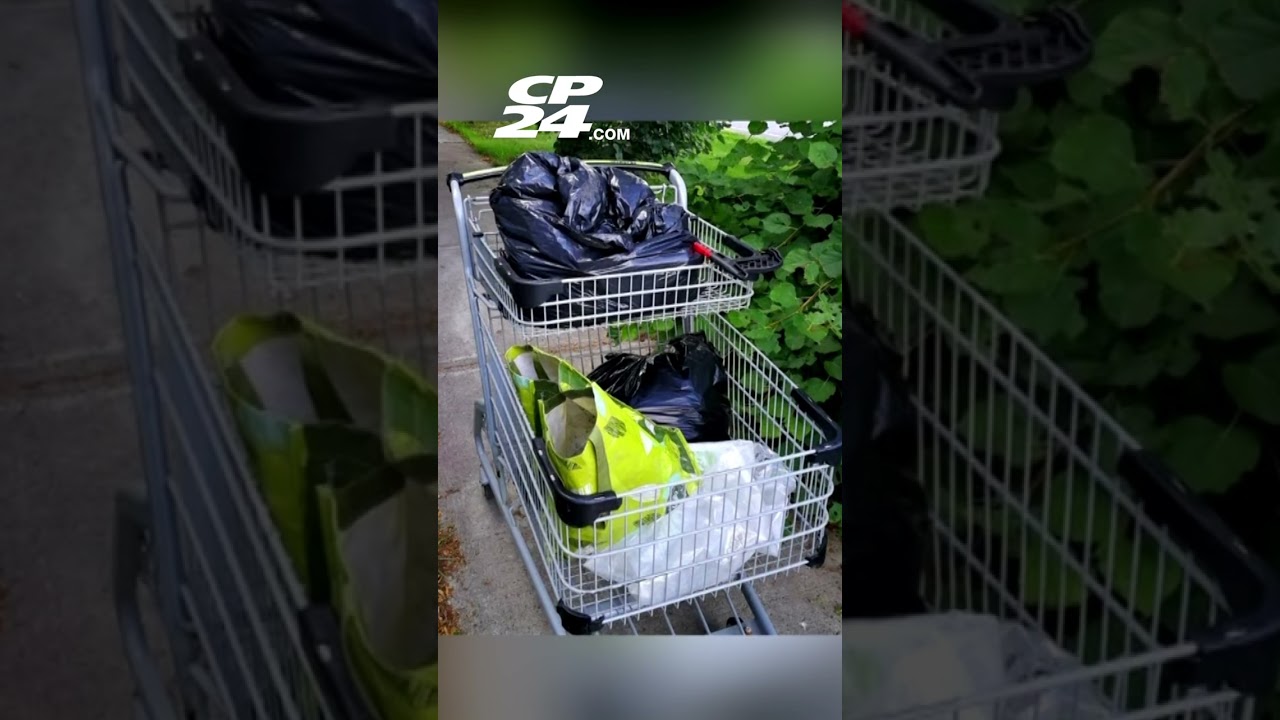
Evidence of the problem is all around. Pictures circulated by the group depict numerous shopping carts left scattered across city streets, parks, and open spaces. These abandoned carts are not merely eyesores; city officials have voiced their concerns that they can pose significant risks to both residents and local wildlife. In response to these issues, Bmpton has decided that retailers will be fined $100 for every cart collected from city property. This monetary penalty is intended to help recover the costs and resources the city expends to maintain a clean environment.
The decision to enforce these fines comes amid growing evidence that certain retailers are contributing disproportionately to the problem. For instance, the city has particularly identified a few Walmart stores as the primary culprits, with locals often finding their carts in ravines, along trails, and even within storm water management ponds. This troubling trend points to a broader issue of accountability among retailers regarding their shopping carts, which, while designed to facilitate customer convenience, can easily become environmental nuisances when improperly abandoned.
Interestingly, many of these retailers, such as Giant Tiger and No Frills, currently utilize geo-fencing technology to track their carts. This innovation allows for better monitoring of cart locations, helping to reduce losses. Additionally, coin locking mechanisms are employed to encourage customers to return carts to designated areas. Despite these efforts, the problem persists, indicating a potential gap between technological capabilities and practical outcomes.
The city’s initiative may serve dual purposes. On one hand, it aims to enhance accountability among businesses, compelling them to take greater responsibility for the assets they provide to customers. On the other hand, the fines serve as a financial motivator for retailers to invest in better management practices that can prevent cart abandonment. It is essential for businesses to realize that maintaining a clean environment not only enhances community aesthetics but also fosters a safer ecosystem for both residents and wildlife.
Moreover, the abandonment of shopping carts raises questions about social responsibility. Retailers must recognize the role they play in the urban landscape. By contributing to litter, they risk damaging community relations and tarnishing their brand image. Consideration of environmental impact should be integral to their business models. The introduction of financial penalties may push them toward more effective solutions, such as increased staff training on cart retrieval and more robust cart containment strategies.
While the city’s new policy is a step in the right direction, its success will depend on collaborative efforts between the government, retailers, and the community at large. Residents, too, play a crucial role in addressing this issue. Encouraging neighbors to return carts to stores after use can help mitigate the problem significantly. Moreover, community engagement initiatives can foster a collective sense of responsibility toward maintaining local public spaces.
In conclusion, Bmpton’s initiative to impose fines on retailers for abandoned shopping carts represents a proactive approach to a pressing urban issue. By holding businesses accountable and encouraging innovation, the city takes a significant step toward a cleaner, safer environment. Ultimately, the collaboration between city officials, retailers, and the community will determine the effectiveness of this policy. As Bmpton paves the way for better urban management, other municipalities may look to this model for guidance in tackling similar challenges of litter and urban decay.