Strategic Partnerships: Iran, China, and U.S. Military Concerns
Recent developments in military technologies have raised serious concerns about the implications of international collaborations. Notably, Iran’s utilization of a Chinese spy satellite has drawn attention due to its potential for enhancing military precision against U.S. bases in the region. This collaboration signifies a substantial shift in the regional military dynamics, warranting close scrutiny.
Sabelo, the U.S.-China correspondent for the Financial Times, emphasized that this relationship transcends mere data sharing. Unlike previous instances where Chinese firms provided Iran with satellite imagery for reconnaissance, the current contract with the Chinese company Ampersand gives Iran the unprecedented ability to control a satellite directly. This means that Iran can issue commands to the satellite and direct it to specific locations and times—an empowering measure for the Iranian military.
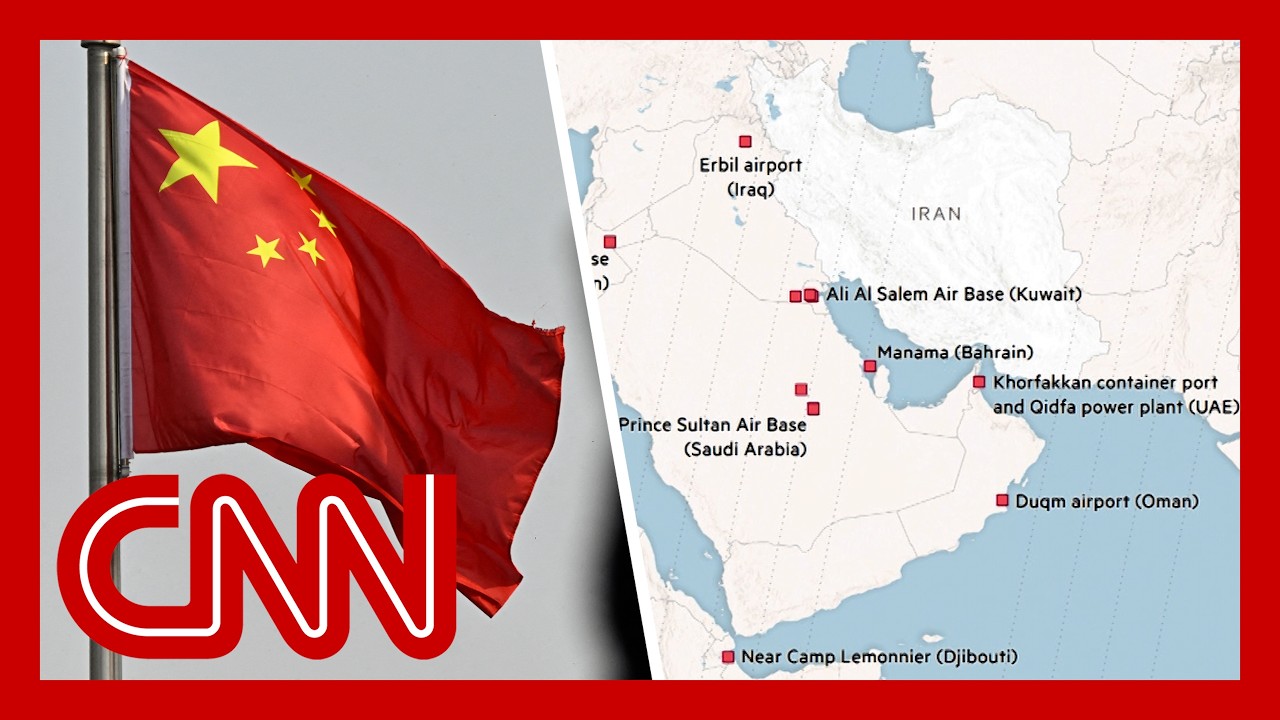
The implications of such control are profound. Reports indicate that Iranian forces targeted U.S. military installations after monitoring them via the satellite. For instance, the Prince Sultan Air Base in Saudi Arabia—identified as a significant U.S. stronghold—was a focus of this surveillance. The precision exhibited in recent attacks, particularly targeting crucial operational elements of U.S. aircraft, indicates that Iran is leveraging this advanced capability effectively.
The technical specifications of the satellite are equally striking. While Iran possesses some satellite capabilities, their resolution is subpar. In contrast, the T01B satellite has a resolution ten times better than those available to Iran, reaching down to approximately half a meter. This heightened clarity enhances Iran’s targeting accuracy dramatically, allowing for strategic strikes on high-value military assets.
However, military analysts, like Captain Schuster, express caution. While the satellite’s capabilities could assist in targeting U.S. naval vessels, the challenge of hitting moving targets remains substantial. Factors such as missile accuracy and environmental variables complicate this scenario. A missile intended for a mobile ship would need to account for its movement in real-time, which creates a layer of complexity in execution.
Despite these concerns, the U.S. administration is grappling with the implications of this burgeoning Iran-China partnership. The White House has denied allegations of China supplying military hardware to Iran, attempting to frame the narrative around the nature of assistance being provided. Nonetheless, this situation raises essential questions about the geopolitical ramifications of such alliances.
Moreover, the potential for a broader strategic rift emerges as the dynamics play out. Historically, China has taken a cautious stance regarding Iran’s nuclear ambitions, remaining silent amidst calls for denuclearization. The evolving relationship with Iran warrants careful consideration, especially in light of broader U.S.-China relations. President Biden’s approach during discussions with President Xi Jinping will reflect these complexities. A delicate balance between addressing military cooperation and fostering economic ties is paramount.
Moreover, the geopolitical landscape is in flux. The partnership between China, Iran, Russia, and North Korea complicates international diplomacy. While the Chinese economy does benefit from Iranian oil supplies, the long-term implications of siding with Iran against the U.S. could damage Beijing’s interests globally. China must navigate its relationship with Iran thoughtfully, particularly as the U.S. seeks to stabilize its own alliances, notably with NATO.
American diplomatic efforts necessitate a focused strategy that discourages hostile partnerships while promoting stability. As the U.S. administration contemplates negotiations with Iran, leveraging diplomatic pressure on China to moderate its support for Tehran could be essential. The situation underscores the interlinked nature of global diplomacy and the resulting political messaging inherent in military engagements.
As international actors reassess their positions, it is clear that the landscape is shifting. The stakes are high, and the consequences of these partnerships stretch beyond immediate military concerns. They shape the future of regional power balances and the global order, highlighting the importance of diplomatic engagement and strategic foresight.