TTC Faces Infrastructure Challenges as World Cup Approaches
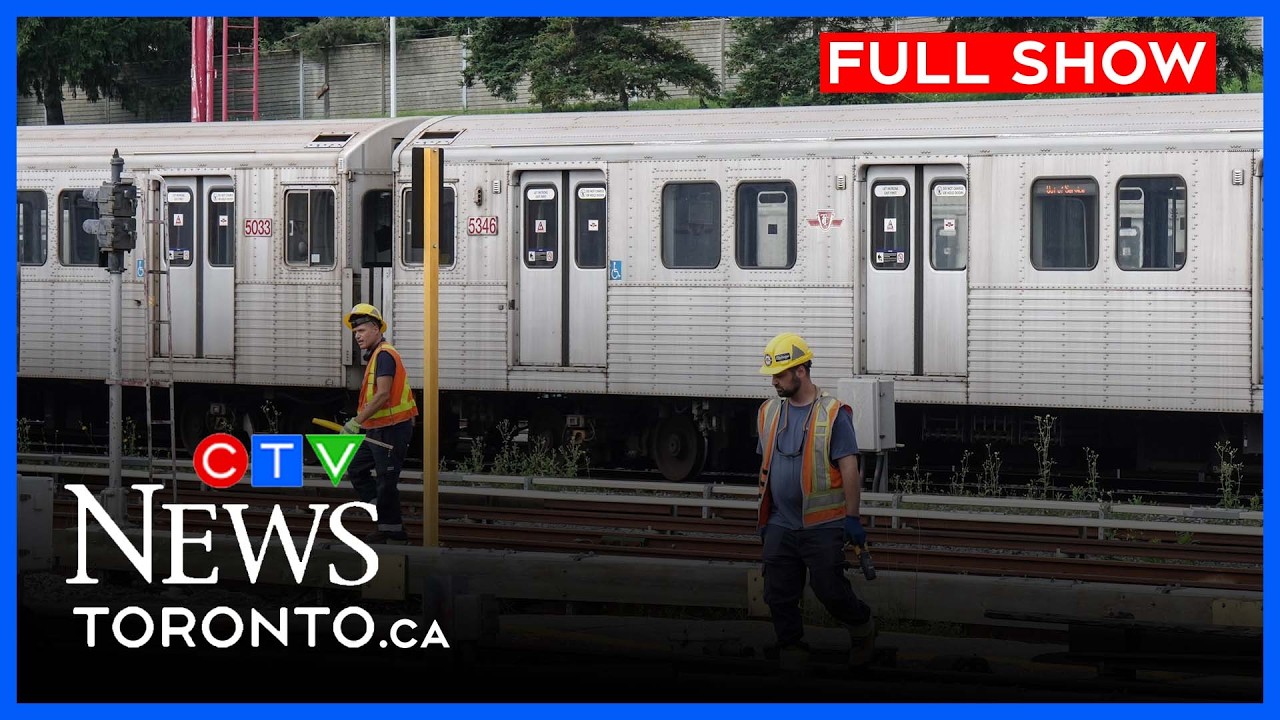
The Toronto Transit Commission (TTC) is facing significant scrutiny after a series of service disruptions that caused widespread commuter distress last week. As the city prepares for the influx of visitors expected for the World Cup, addressing infrastructure issues has become a critical priority for the transit agency.
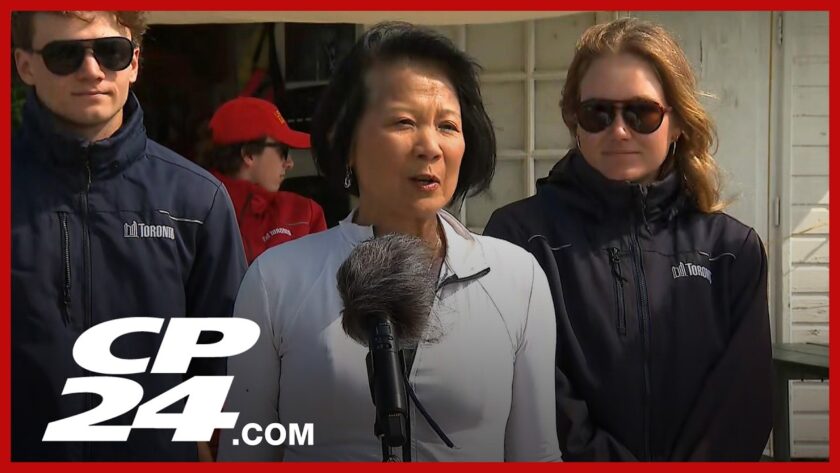
During the recent TTC board meeting, the topic of subway shutdowns dominated discussions. Multiple service interruptions have led to heightened frustration among riders, who express a growing lack of confidence in the system. “We have a ridership growth problem on the TTC,” lamented a concerned board member. “Riders are not going back to take transit because there’s a lack of confidence in the system.”
Last week alone, the TTC experienced three major shutdowns due to hydraulic fluid leaks and signal failures. Such urgent issues prompted a motion from Counselor Josh Matlow at the board meeting, which called for a focused investigation into the underlying causes of these disruptions. “We need to get to the root causes of each and every way these disruptions are happening immediately,” he emphasized.
The motion passed unanimously, compelling the TTC’s CEO to deliver a comprehensive action plan to the board. Additionally, the plan must outline unfunded capital investments as part of the upcoming 2027 budget. According to Matlow, “The current plan is not sufficient, or we wouldn’t be having this discussion about so many leaks that have disrupted people’s lives.”
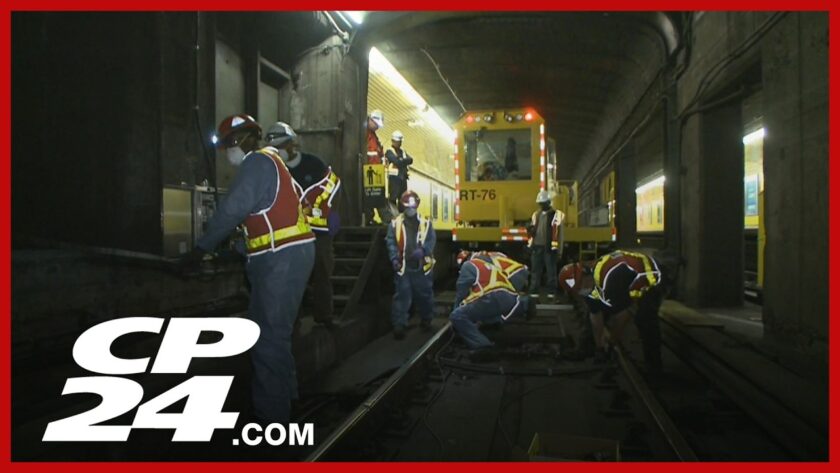
Recent incidents have included hydraulic fluid leaks from work cars servicing Line Two. These have led to significant service suspensions during peak commuting hours. In response, the TTC chair described the shutdowns as "utterly unacceptable," highlighting a report from 2024 that investigated prior hydraulic oil spills. While the TTC had implemented all recommendations from that report, the recent failures indicate systemic flaws that remain to be addressed.
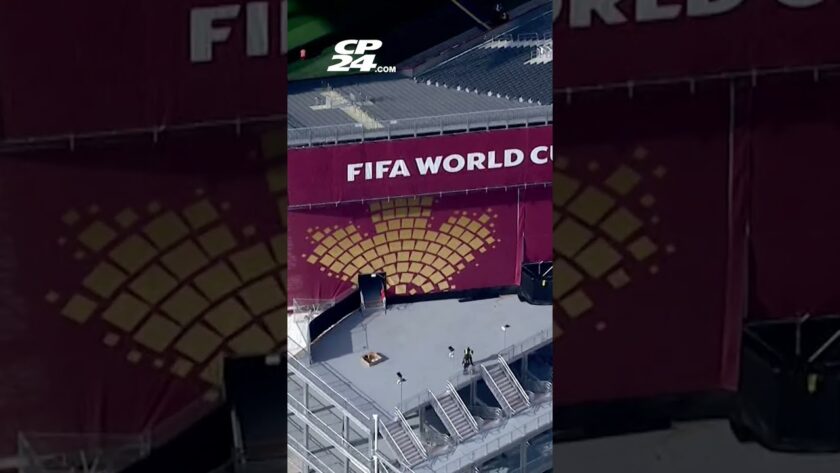
The urgency of restoring reliable transit service grows as the FIFA World Cup approaches. The city is under pressure to ensure that infrastructure can withstand not just regular day-to-day operations, but also the surge of traffic anticipated during the global event. The current capital investment plan reveals a staggering $37 billion in unfunded needs over the next 15 years, raising alarms about the viability of Toronto’s transit future.
Meanwhile, as significant transitions unfold in transit, some residents are voicing their frustrations regarding alterations to local bus routes. The recent introduction of the Eglinton LRT saw a readjustment in service that has not resonated well with all riders. Commuters, like Louisa Jacomedi, report longer travel times and inconvenient transfers that disrupt their daily routines. “It’s not responding to need, and especially in this area, there’s a great need for this,” she said.
The TTC claims that adjustments aim to enhance connections to new services and improve overall mobility. However, many riders are left feeling that their needs are being overlooked, necessitating a review of the changes alongside community feedback.
As the TTC grapples with these multifaceted challenges, both infrastructure issues and changing service patterns spotlight the urgent need for robust solutions. The pressure mounts not just for the organization, but for the city of Toronto as a whole, which is keenly aware that effective transit plays a crucial role in its identity, functionality, and appeal to residents and visitors alike.
In a time when transportation is paramount, the TTC must act swiftly and decisively to rectify these longstanding issues. With the world watching, this moment represents not just a logistical challenge, but also a pivotal opportunity to commit to a sustainable and efficient public transportation network that meets the aspirations of a growing metropolis. As the dust settles on the recent disruptions, one question lingers in the air: how will the TTC rise to meet the demands of an increasingly dynamic urban landscape?