The Escalating Conflict: Key Developments in the US-Israel-Iran War
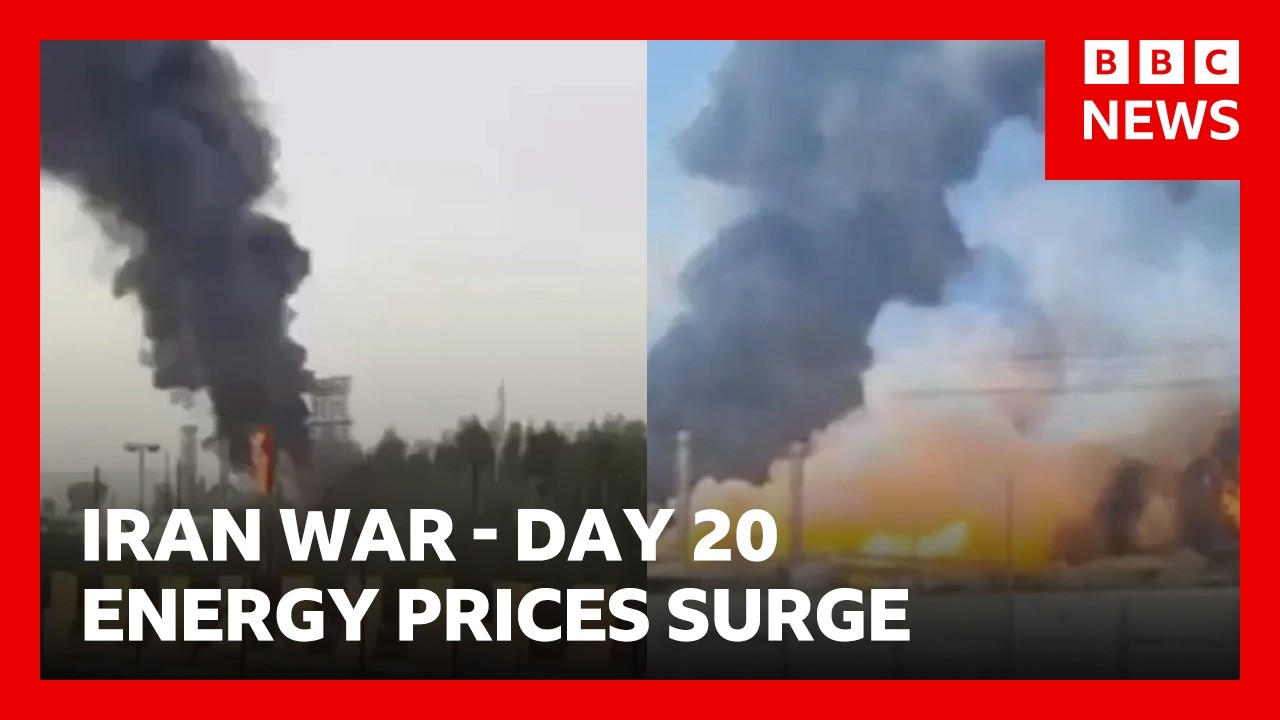
As the world watches with bated breath, the US-Israel conflict with Iran enters its third week, intensifying amid significant geopolitical turmoil. Energy prices have surged dramatically, reflecting the heightened tensions and violence. The situation is escalating, with retaliatory strikes leading to significant ramifications for global markets and a rising death toll.
Today marks day 20 of hostilities, and the stakes couldn’t be higher. Following an Israeli strike on a natural gas field shared between Iran and Qatar, energy markets have reacted violently. Brent crude oil prices soared to $119 per barrel, the highest since the onset of hostilities. In the United Kingdom, gas prices spiked by over 20% as the reverberations of the conflict spread across the Atlantic.
Analysts, including BBC business correspondent Samir Hussein, have emphasized that this isn’t solely about supply chains for oil and gas anymore. The ability to extract and transport energy has been adversely impacted, suggesting that the ramifications will be felt long-term. Qatar, a pivotal player in the energy sector, has announced that restoring operations in its affected infrastructure could take several weeks. Other Gulf nations, wary of further strikes, are hesitant to bring their energy facilities back online, complicating an already precarious situation.
In the political arena, President Donald Trump expressed dismay over the situation, claiming he had no prior knowledge of the Israeli strike. He has advised Israeli Prime Minister Benjamin Netanyahu against further attacks on Iranian energy infrastructure, describing the ongoing conflict as a substantial risk to regional stability. Netanyahu, for his part, has asserted that Israel acted independently, insisting that the relationship with the United States remains strong and coordinated.
As the US Secretary of Defense assured the public that US operations are "on plan and on target," questions loom regarding the future of American engagement in the region. The delicate balance between US and Israeli interests has come under scrutiny, particularly in light of Trump’s disconnection from the recent Israeli actions. Analysts warn that these developments signal potential fractures in the historically close relationship between Washington and Tel Aviv.
Back in the conflict zones, civilian casualties continue to mount. Reports indicate that over 1,000 lives have been lost due to Israeli strikes in Lebanon. The situation for ordinary citizens is dire; recent strikes have even claimed the lives of three Palestinian women in the West Bank, marking a troubling escalation in the broader regional conflict. Eyewitness accounts describe scenes of devastation, shattered lives, and a creeping dread among communities with limited means of protection.
Humanitarian conditions are deteriorating. The upcoming Persian New Year, Noruz, ordinarily a time for celebration, will likely see muted gatherings. Iranians express anxiety and sorrow as they navigate life amid this chaos. Reports from Tehran capture a populace seeking normalcy yet gripped by fear, with children learning to live in a climate of uncertainty.
Looking ahead, the war’s impact extends beyond immediate geopolitical concerns. The Iranian regime, while visibly battered, has shown a surprising resilience. Instead of leading to public uprisings as some had anticipated, the bombing campaign appears to have solidified a sense of collective identity among Iranians. This paradox presents a complex challenge for US and Israeli objectives, which aim to weaken Iran’s resolve.
As the clock ticks on this conflict, questions remain regarding its trajectory. What will be the long-term ramifications, both regionally and globally? The United States has affirmed that the conflict will continue until it achieves its goals, but the complexity on the ground raises uncertainties about how and when those objectives will be met.
In conclusion, as developments continue to unfold, the world remains on edge. The intertwining of energy security, civilian welfare, and international alliances compels vigilant observation. The balance of power is shifting, and the repercussions of these events will reverberate long after the first bombs fell. The future landscape of the Middle East is anything but certain, and the human cost of this conflict is insurmountable.