Toronto’s Downsview Park Explosion: A Community on Edge
An explosion at Downsview Park in Toronto, tied to a production involving the renowned artist Drake, has left local residents in shock. The incident drew attention when Drake himself shared two striking images on Instagram: one depicting a massive plume of smoke, the other capturing a fireball rising ominously into the evening sky.
The city has confirmed that a film permit was granted for the production, which included the use of pyrotechnics. However, protocols around such activities are stringent. Toronto Fire must approve any use of explosive effects, and authorities are required to notify nearby residents, businesses, and Business Improvement Areas (BIAs) at least 48 hours prior to filming.
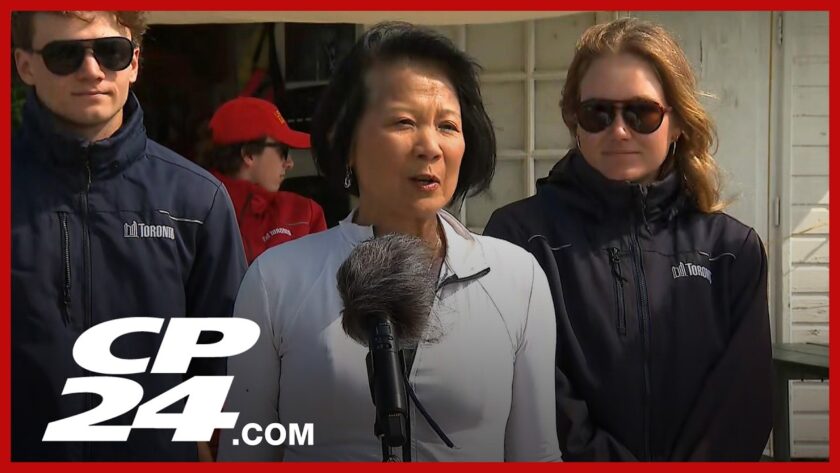
Local City Councillor James Pasternak addressed the situation, emphasizing the community’s bewilderment and frustration. “We’ve received a wide range of complaints,” he stated. “The sight of that mushroom cloud was shocking, particularly for residents living near federal lands where this occurred.”
Pasternak’s remarks highlight a significant gap in the notification process. Although the city claims that notifications were disseminated, many residents remain unaware of the upcoming pyrotechnic activity. “If notifications were sent, our office was not informed,” he remarked. If they had been aware, there was a willingness to distribute information through social media and direct outreach, actions that could have mitigated community distress.
This incident brings to light the necessity of improving communication about film-related activities, especially those involving explosions. As Pasternak pointed out, the current requirement for a 48-hour notice is inadequate. “We are planning to bring an urgent motion to council next week,” he noted. “It’s crucial to expand the notification requirements. We must reach out to every household and utilize social media effectively.”
The councillor’s concerns resonate with local history; Downsview Park is not unfamiliar with explosive incidents. A devastating propane explosion in 2018 still lingers in the memories of residents, who now grapple with renewed fears. The need for comprehensive public education regarding the film industry’s activities is critical, especially as Toronto’s film sector, valued at $2.5 billion, continues to grow.
Despite the chaos, Pasternak acknowledges the economic and cultural benefits of the film industry. With thousands employed and celebrities flocking to the city, the film sector plays an integral role in the local economy. Yet, he stresses that adherence to safety regulations and proper communication with the community should never be compromised.
“We appreciate the interest of high-profile figures like Drake wanting to utilize our spaces. It’s beneficial to the economy,” he asserted. “But with that comes the responsibility of ensuring that local residents are adequately informed about any activities that could cause alarm.”
As this situation unfolds, it raises larger questions about community engagement and environmental safety in urban settings. The importance of robust communication strategies cannot be overstated, particularly when dealing with high-risk activities. Residents deserve to feel secure in their neighborhoods, free from the fear of unexpected explosions, whether from film productions or other unforeseen events.
The city has a duty to foster a collaborative relationship with its residents, ensuring that they are made aware of potential disruptions and safety concerns. With ongoing deliberation about the necessary improvements in notification practices, it is clear that this incident might serve as a catalyst for positive change in the filmmaking process within Toronto.
In summary, while events like these can indeed showcase Toronto’s vibrant film culture, they must not overshadow the essential need for safety and community awareness. As local officials explore ways to enhance communication, the goal is to cultivate a sense of trust and collective oversight between residents, city authorities, and the film industry. In this evolving landscape, the community’s voice must remain central to any future productions.