The Escalating Conflict: Missiles, Air Strikes, and Regional Tensions
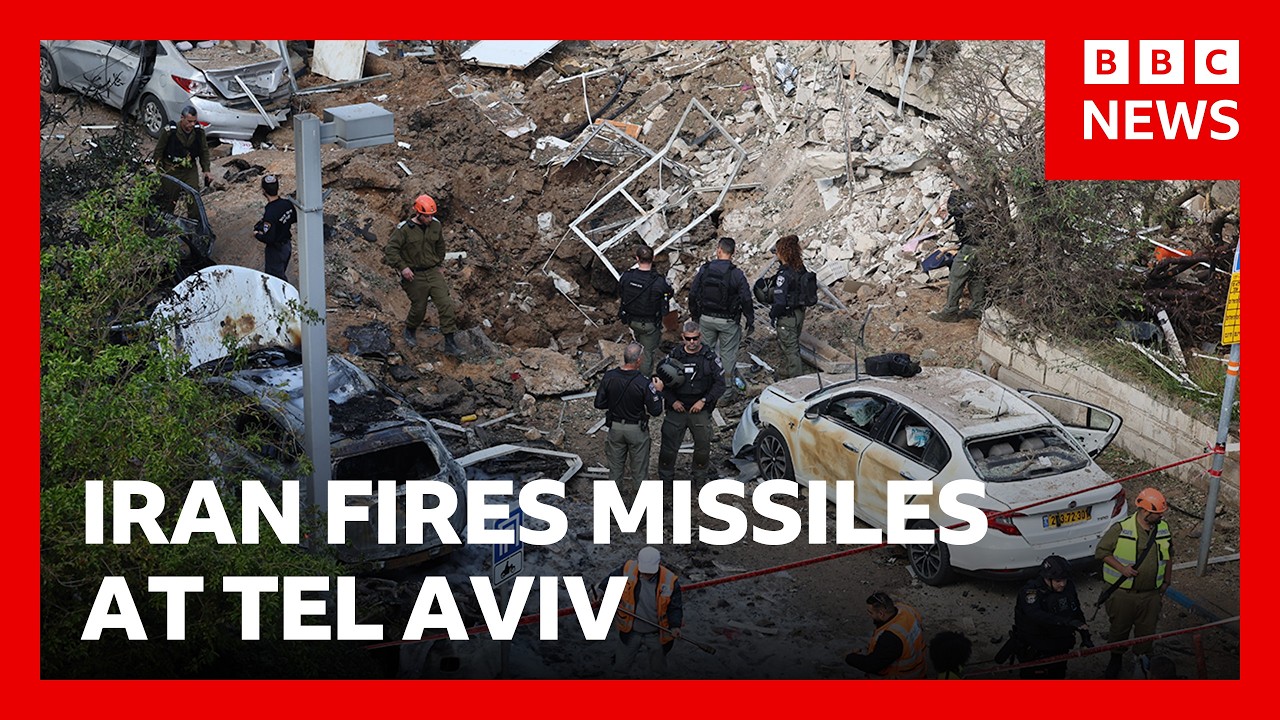
Iran’s recent missile barrage targeting central and southern Israel marks a significant escalation of hostilities in the ongoing conflict. Reports indicate at least one missile struck central Tel Aviv, injuring six people. The strikes extended to areas east of Tel Aviv and the southern region around Beersheba, highlighting the expansive reach of Iran’s military capabilities. In response, Israel’s military has conducted extensive airstrikes on key Iranian sites, reportedly targeting gas facilities and pipelines in Isfahan. This tit-for-tat retaliation underscores a volatile situation that has profound implications for regional stability.
On the ground in Tel Aviv, cleanup operations are underway. Shards of glass litter the streets, remnants of an Iranian missile equipped with 100 kilograms of explosives. James Waterhouse, a correspondent on the scene, described a substantial crater left by the explosion, an unsettling reminder of the conflict’s human cost. Israeli air defense systems, while generally effective, have proven insufficient in completely neutralizing the threat. The persistent bombardment seems to reflect Iran’s resolve to respond forcefully, even as it faces continued military pressure from Israel.
Prime Minister Benjamin Netanyahu remains steadfast in his commitment to strike back against Iranian-backed militias, including Hezbollah in Lebanon. This stance signals that the conflict is unlikely to abate anytime soon. In fact, public sentiment appears to tilt toward prolonged military action, as illustrated by signs urging U.S. President Donald Trump to escalate confrontations with Iran.
The impact of these hostilities is not confined to Israel. In recent days, missiles have landed not only in Palestinian territories but also near significant Islamic sites in Jerusalem. Iran’s missile capabilities have even extended to Iraqi Kurdish regions, suggesting a broader strategic calculus at play. As tensions escalate, the Gulf states are on high alert. Countries like the UAE and Kuwait have already reported instances of missile debris causing infrastructure damage, prompting a reevaluation of their security dynamics in the wake of this conflict.
Amidst this turmoil, the geopolitical landscape shifts dramatically. President Trump’s temporary halt on U.S. attacks against Iranian power plants comes at a crucial time. While Iranian media claim that American strikes on energy infrastructure resulted in minimal damages, the veracity of these reports remains uncertain. Nevertheless, they add another layer of complexity to U.S.-Iran relations and to the regional power plays unfolding.
In Lebanon, the situation is equally grim. The Lebanese government has expelled Iran’s ambassador, reflecting rising tensions and a desire to distance itself from Iranian influence. Following Iranian missile strikes, Israeli air forces have intensified their operations in southern Beirut, targeting Hezbollah’s infrastructure. Residents face evacuation orders as airstrikes become routine. The Israeli military aims to neutralize perceived threats by targeting both military strongholds and civilian infrastructure, leading to significant humanitarian concerns.
The plight of civilians caught in this crossfire is alarming. As both Israel and Hezbollah engage in a deadly game of retaliation, ordinary citizens bear the brunt of military actions. Hundreds of thousands have been displaced, forced to flee their homes amidst ongoing violence. Reports indicate a systematic approach by Israel to destabilize Hezbollah’s operational capabilities while concurrently aggravating humanitarian crises.
In this harrowing landscape, discussions of a ceasefire remain elusive. Israeli officials express determination to continue military efforts until Hezbollah’s influence is diminished. Meanwhile, Hezbollah’s unwavering commitment to retaliate complicates any peace negotiations. The situation is fluid, with each side poised to inflict escalating costs on the other.
As the world watches, the potential for further escalation looms large. The regional implications are dire, with rising anxieties regarding security, economic stability, and the humanitarian toll on civilians. The ongoing escalation demands urgent attention and diplomatic interventions to avert a deeper crisis. Yet, with both sides entrenched in their positions, resolutions appear increasingly distant. In a conflict marked by pain and destruction, the hope for peace hangs precariously in the balance.